Thinking about trading your Mineola family home for something easier to manage? You are not alone. Many long-time owners in South Mississauga are considering a simpler lifestyle with predictable costs and less upkeep. This guide walks you through a calm, step-by-step plan tailored to Mineola and the surrounding Mississauga and Peel Region market. You will learn how to set a timeline, declutter without overwhelm, prepare your home to sell well, and choose low‑maintenance housing nearby. Let’s dive in.
Mineola context: what to weigh
Transit, care, and amenities
Where you move next should fit your day-to-day routines. In Mineola and surrounding Mississauga, access to MiWay bus routes and GO Transit can reduce the need to drive. Proximity to clinics and hospitals, including services in the broader Peel Region health system, supports peace of mind. Walkable access to groceries, pharmacies, parks, and community centers can make independent living easier.
Market timing and monthly costs
Timing matters. Local market conditions in Mississauga and Peel can influence when you list and how quickly you find the right condo, townhome, or bungalow. As you compare options, balance expected sale proceeds with ongoing costs. In condos and retirement residences, monthly fees cover services and maintenance but are an ongoing expense, while single-family ownership often involves variable repair costs.
Local supports for older adults
Both the City of Mississauga and the Region of Peel offer programs for older adults, including recreation, transportation, and community supports. Health providers in the area offer clinics and hospital services that may be important if you want reliable access to care. Note what matters most to you, then short-list neighbourhoods and buildings that align with those priorities.
A simple roadmap and timeline
Downsizing can be completed in 3 to 12 months, depending on your home size, how much you own, and the availability of your next home. Here is a practical six‑month sample plan you can adapt.
A six-month sample plan
- Months 1–2: Decide on your target move window and general housing type. Start an initial declutter of non‑sentimental areas. Meet a real estate agent and other professionals to map costs and timelines.
- Month 3: Complete minor repairs and light updates. Deep declutter remaining spaces. Gather key paperwork like warranties, utility records, and legal documents.
- Month 4: List your home. Use professional staging and photography to maximize appeal. Begin confirming your next home or arrange a short‑term rental as a bridge.
- Month 5: Under offer and firming up. Book movers, line up donation and junk removal, and confirm closing dates. Set up utilities and mail forwarding for the new address.
- Month 6: Moving and settling in. Unpack strategically, update government and financial records, and complete final donations and cleanout.
Key decisions: sell first or buy first
There is no one right answer. Some sellers prefer to secure their next home first to reduce the complexity of moving. Others sell first, then use a short-term rental to keep timing flexible. Discuss market conditions and your risk tolerance with your agent so you choose the path that fits your comfort level.
Your financial planning checklist
- Estimate net sale proceeds and compare them to your next-home budget.
- Map monthly carrying costs. Include condo fees, property taxes, utilities, and insurance.
- Plan for one‑time costs like movers, staging, cleaning, and small repairs.
- If needed, speak with a financial advisor about liquidity, timing, and tax questions.
Decluttering that feels manageable
Start early and protect your energy
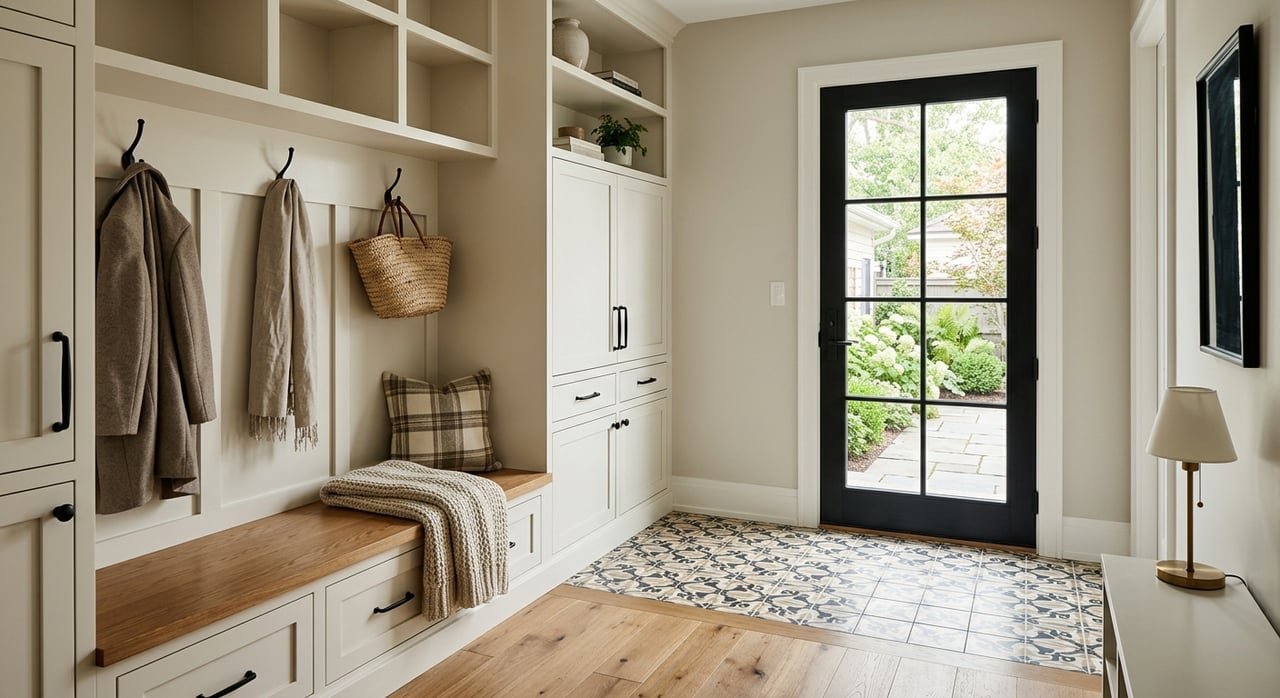
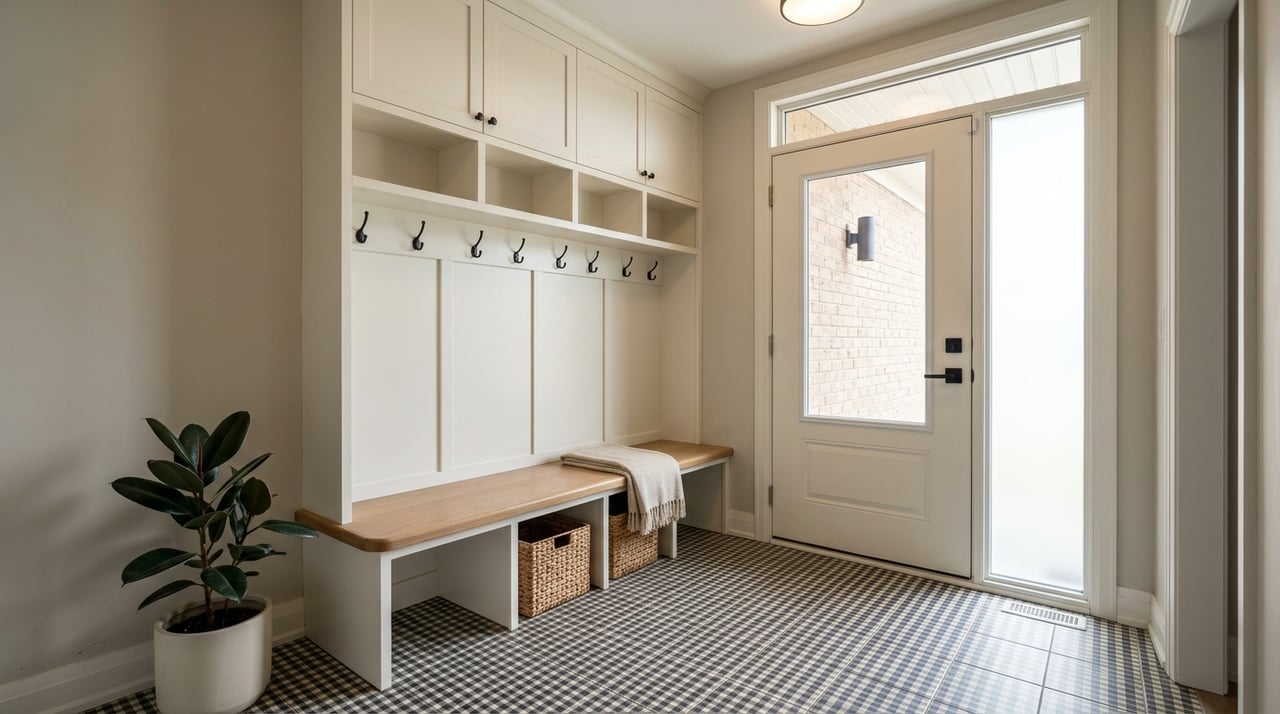
Begin with areas that are not sentimental, such as the garage, pantry, and linen closets. Use five simple categories for every item: keep, donate, sell, recycle, or discard. Save heirlooms and photos for later when momentum and clarity are stronger.
Room-by-room tips
- Kitchen: Keep daily dishes and a few special pieces. Reduce duplicate gadgets and extra cookware.
- Bedrooms and closets: Aim for one full set of seasonal clothing per person. Donate seldom‑worn items.
- Living areas: Keep furniture that fits the scale of your next home. Consider photographing decorative pieces you will not bring.
- Paper and records: Gather essentials like wills, deeds, tax and medical records in one secure folder. Create a digital backup for easy access.
- Garage and tools: Keep only what you will use in the next home. If you are moving to a condo or retirement residence, reduce lawn and garden equipment.
Services that help in Mississauga
You can make this easier by hiring support. Estate sale companies and consignment shops can value and sell higher‑value items. Local charities often offer furniture pickup if you book ahead. Junk removal and municipal bulky waste programs can handle what is left. Digital scanning services can archive photos and paperwork so memories are preserved without extra boxes.
Handling sentimental items with care
Set a clear limit using memory boxes for keepsakes. Host a family distribution afternoon so meaningful items find the right home well before moving day. Photograph large heirlooms or displays so the story travels with you even if the item does not.
Prep your home to sell well
Low-cost, high-impact projects
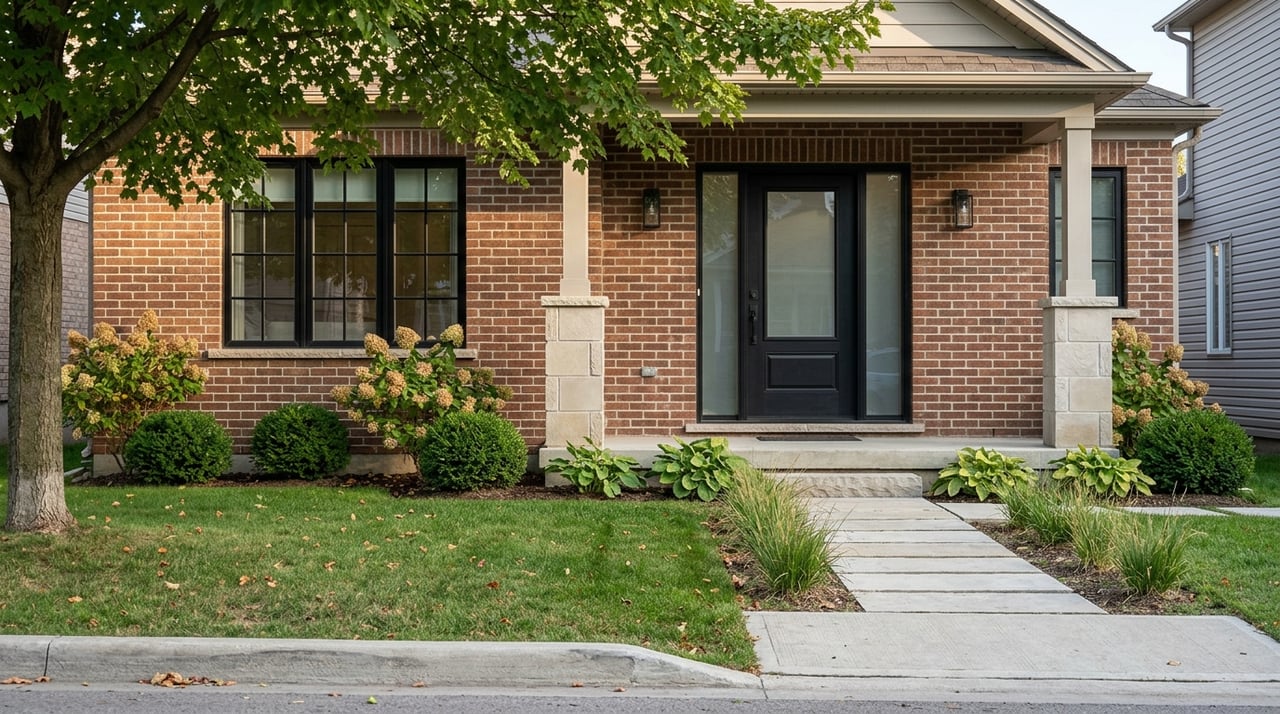
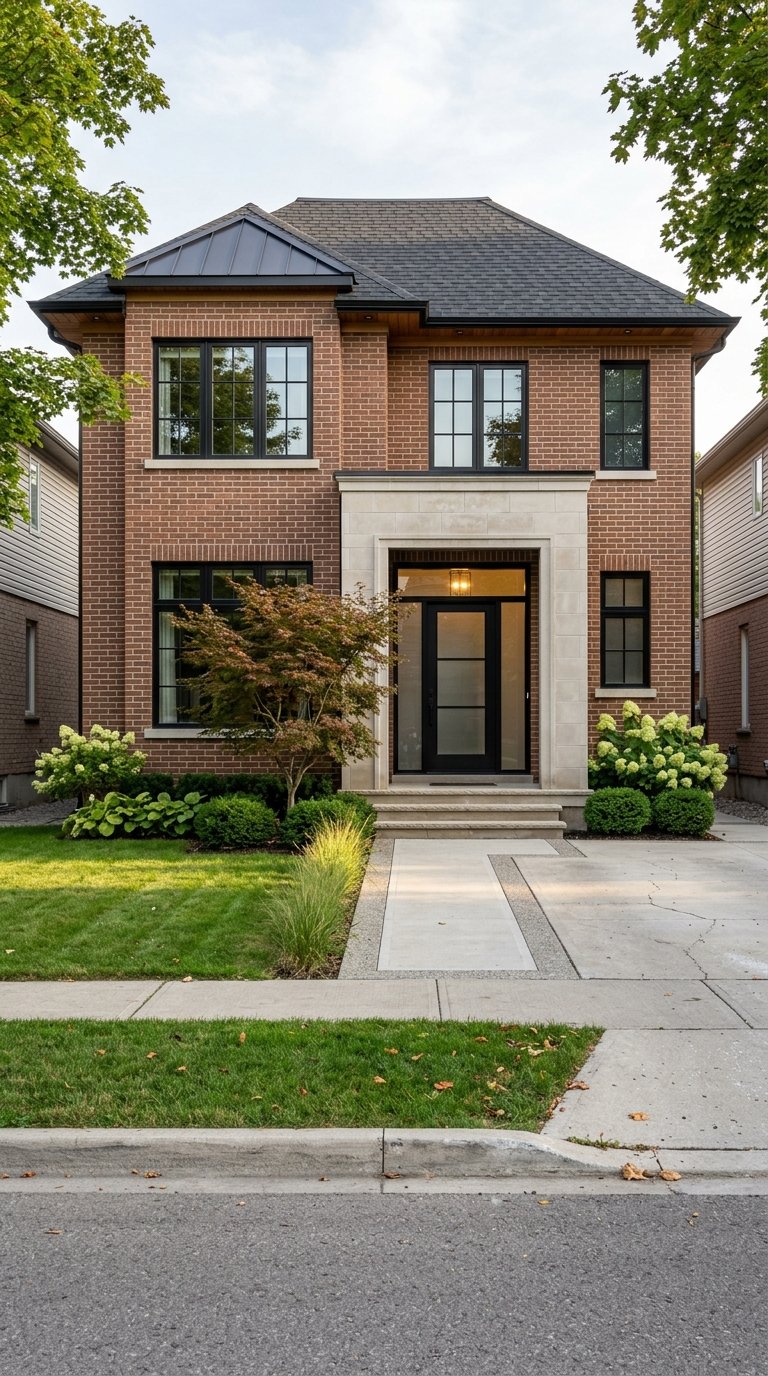
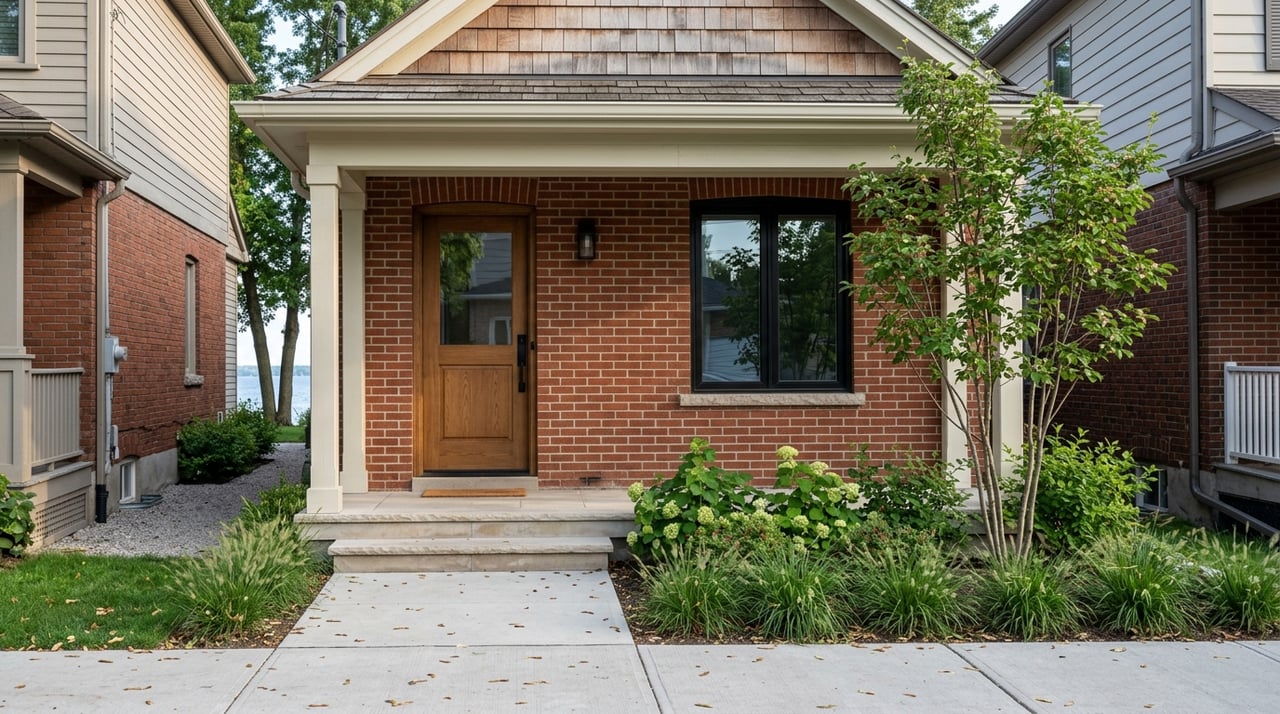
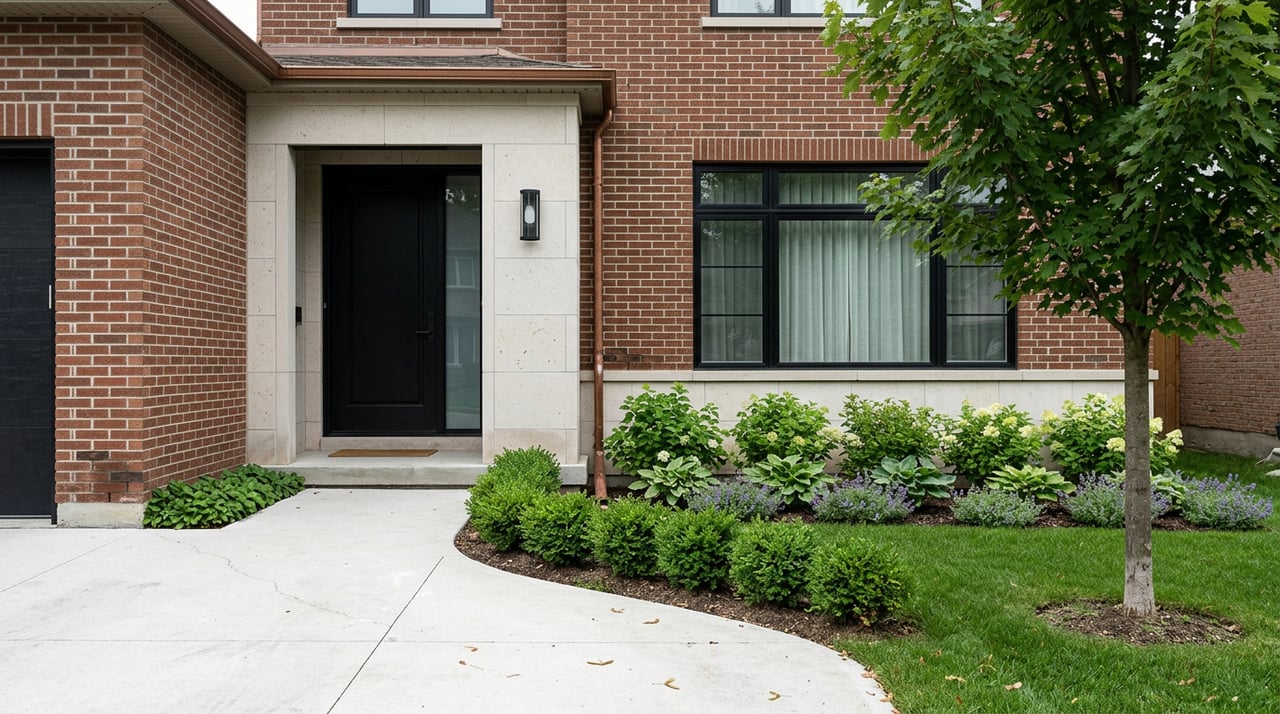
Focus on clean, bright, and well maintained. A deep clean and thorough declutter offer strong returns on buyer appeal. Repaint with neutral colors to freshen spaces. Fix small repairs like leaky taps, loose tiles, or burnt‑out bulbs. Improve curb appeal with tidy landscaping and a refreshed front door. Maximize light and remove most personal photos so buyers can picture themselves at home.
When to invest more
Avoid major renovations just to sell. If the roof, furnace, or major systems are near end‑of‑life, service them and disclose clearly. Consider replacement only if it meaningfully reduces buyer objections or speeds the sale.
Lean on local pros
Choose an agent who knows Mineola, Port Credit, and the broader Mississauga market, and who understands downsizing timelines. Professional stagers and photographers can shorten time on market. Hire trusted handypersons and cleaners with clear quotes and schedules so the prep work stays on track.
Choose low-maintenance living nearby
Popular options for downsizers
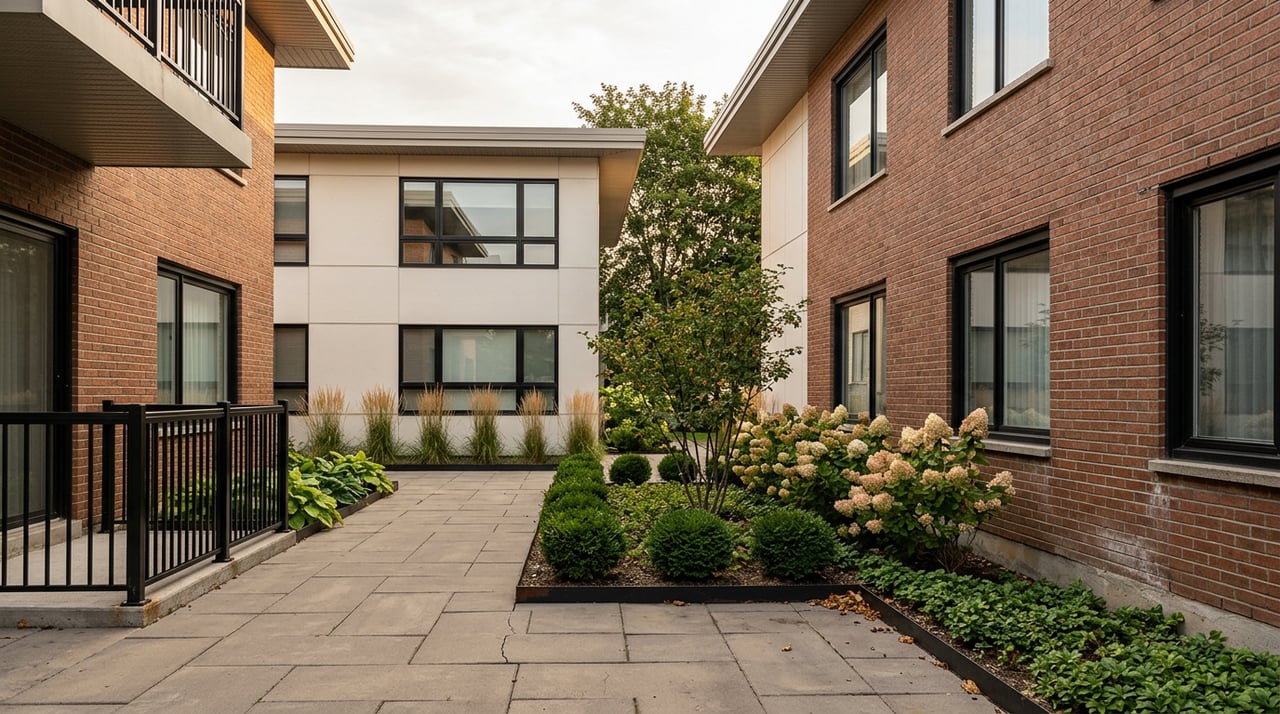
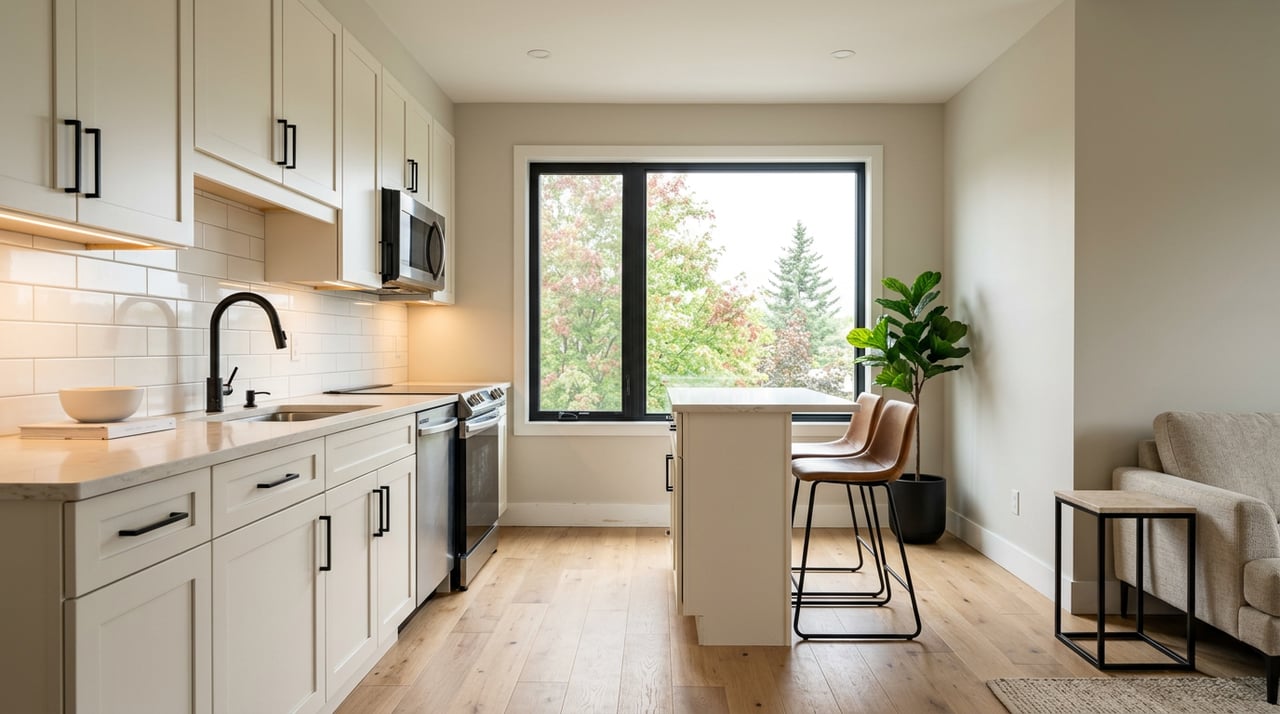
- Condominiums: Low‑maintenance living, often with amenities like fitness rooms, social spaces, and concierge. Review fees, inclusions, and the building’s financial health.
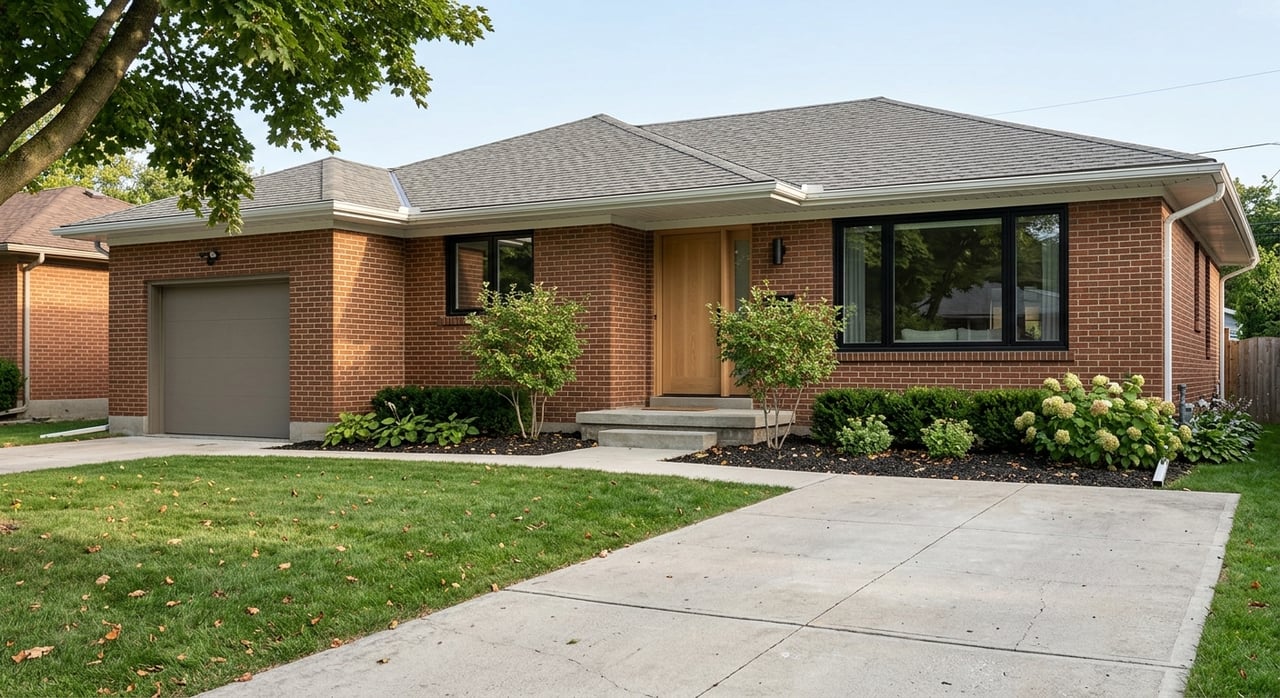
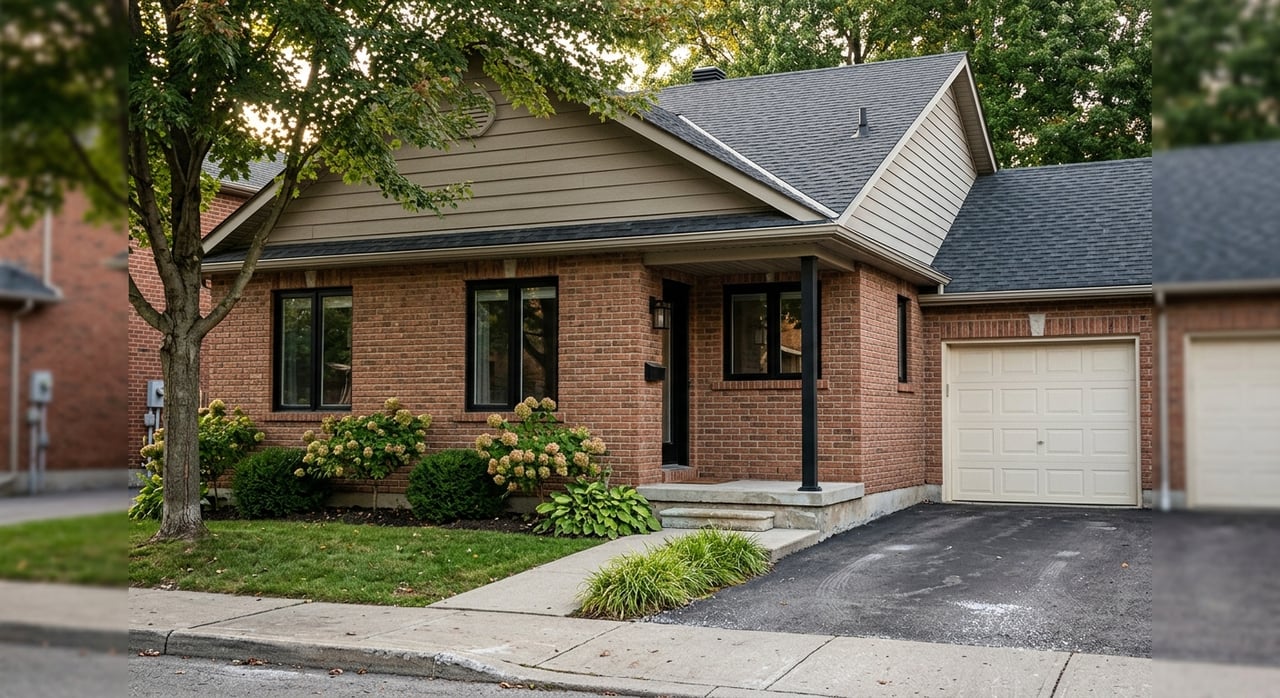
- Bungalows: Single‑level living reduces stairs and can work well for mobility. Older pockets in or near Mineola may offer options.
- Townhomes: Limited outdoor maintenance with a home‑like feel. Some communities include landscaping and snow removal.
- Retirement residences: Independent living to assisted options with meals, housekeeping, and social programming. Providers in the region include national and regional operators. Availability varies and waitlists are common.
- Rentals: Renting can offer flexibility and lower commitment while you test a new lifestyle or neighbourhood.
What to evaluate in condos
Look beyond the list price. Compare monthly fees, what they include, and the building’s reserve fund and history of special assessments. Ask about aging‑building projects and timelines. Prioritize access to transit, walkability, healthcare proximity, and daily conveniences.
Considering retirement residences
Review licensing and reputation. Confirm services included in the base fee and what costs extra. Ask about waitlists and deposit policies. Tour at different times of day to get a feel for routines and community life.
Logistics, legal, and peace of mind
Moving checklist you can use
- Gather critical documents like ID, medical, financial, and property records.
- Book a mover experienced with senior transitions. Confirm insurance and references.
- Arrange utilities, internet, cable, and Canada Post mail forwarding.
- Update government and financial records with your new address.
- Plan for pets, including pet‑friendly housing and safe moving day arrangements.
Legal and money steps
Make sure wills and powers of attorney for property and personal care are current. Work with a lawyer or notary for sale paperwork and closing. Speak with a financial advisor or accountant about potential tax considerations and how to allocate sale proceeds to meet your goals.
Emotional supports that matter
Downsizing brings both relief and emotion. Give yourself time to reflect on the memories tied to your home. Lean on family or trusted friends for support while keeping final decisions in your control. Local seniors’ programs and peer groups can make the transition feel more social and less rushed.
Your next step
If you want a calm, coordinated move, start with a clear plan, honest timelines, and the right help. With local expertise across South Mississauga and a concierge approach to staging, photography, and vendor management, you can focus on what matters while your sale and move stay on track. When you are ready, reach out to the Larose Team to map your downsizing plan and Request a Free Home Valuation.
FAQs
How long does downsizing in Mineola take?
- Most moves take 3 to 12 months, depending on home size, possessions, and the availability of your next home.
Should I sell my Mineola home first or buy first?
- It depends on market conditions and your comfort level; some secure their next home first, others sell then use short‑term housing.
What is the best way to decide what to keep?
- Use keep, donate, sell, recycle, or discard categories and set firm space limits with one or two memory boxes for keepsakes.
What condo fees should I expect in Mississauga?
- Fees vary widely by building and amenities; compare the monthly cost, inclusions, reserve fund health, and any recent special assessments.
Are there local services that help seniors declutter?
- Yes, estate sale organizers, consignment shops, local charities with pickup, junk removal, and senior move managers all provide support.
What legal and financial steps should I take?
- Update wills and powers of attorney, consult a lawyer for closing, and speak with a financial advisor or accountant about taxes and proceeds.
How early should I book movers in Peel Region?
- Book 4 to 8 weeks before your move date, earlier in busy seasons, and confirm senior-move experience and insurance coverage.