Buying a condo in New Toronto is exciting, but one document can make or break your confidence: the status certificate. If you have ever wondered what it really tells you about fees, future repairs, or legal risk, you are not alone. You want clarity before you commit and a simple way to spot red flags. In this guide, you will learn exactly what a status certificate is, what to check, local issues that matter in South Etobicoke, and how to protect your offer. Let’s dive in.
What a status certificate is
A status certificate is the condo corporation’s official snapshot of the building’s financial and legal health. In Ontario, it is provided under the Condominium Act and is the standard package buyers use to assess risk before firming up a purchase. You use it to confirm current monthly fees, the reserve fund’s strength, any special assessments, insurance details, and whether legal actions could impact you. It is a practical safeguard that helps you avoid costly surprises after you move in.
The condo corporation must respond to a written request and may charge a fee. Delivery times vary by corporation, so start early in your offer process. Your lawyer will typically review the package and advise you on next steps.
What you will receive
A status certificate is more than a single page. It is usually a package prepared by the property manager that includes the items below.
Core financial data
- Current monthly common expenses for the unit and whether any arrears exist.
- Operating fund balance, the latest annual budget, and whether there is a surplus or deficit.
- Details of any special assessments that have been levied or are anticipated.
Reserve fund study snapshot
- Current reserve fund balance and recent contributions.
- Summary of the most recent reserve fund study and its recommended funding plan.
- Notes on planned capital projects such as elevator upgrades, balcony or window replacements, or building envelope work.
Legal and insurance notes
- Any litigation or claims involving the corporation and the nature of those claims.
- Insurance details for the building and whether deductibles could be charged back to owners in certain cases.
- Orders or directives from authorities that could affect the building.
Parking, lockers, and rules
- Confirmation of your unit’s parking and locker allocations and whether they are included or governed by separate agreements or fees.
- The corporation’s rules and by-laws, including policies for rentals, pets, renovations, and noise.
- Notices about upcoming changes such as a new property manager or major contracts.
How to read the reserve fund
The reserve fund pays for major repair and replacement projects over time. You want to see a clear match between the reserve fund study’s recommended contributions and the corporation’s actual plan.
Key numbers to check
- Current reserve fund balance in dollars.
- Date of the most recent reserve fund study and who prepared it.
- Recommended contributions and whether the current budget follows them.
- Age and condition of big-ticket items like windows, balconies, elevators, and the building envelope.
Healthy vs risk signals
- Healthy: the balance and contributions align with study recommendations, and planned projects have known budgets and timelines.
- Risk: a low balance compared with upcoming projects, frequent or recent special assessments, or a study that calls for higher contributions the corporation is not following.
- For older New Toronto buildings, balcony and concrete repairs, window replacements, and façade work are common. These can be costly, so ask for the full reserve fund study if the summary mentions major work.
Legal notes: spotting risk
Legal entries in the status certificate range from small owner disputes to large construction claims. The details matter.
Low-concern vs high-concern items
- Lower concern: isolated owner disputes that appear routine and modest in cost.
- Higher concern: litigation related to building envelope issues, widespread water damage, structural problems, or insurance disputes that may not be fully covered.
When to dig deeper
When the certificate mentions litigation or large insurance claims, have your lawyer request the underlying documents. Watch for repeated or rising legal costs in financial statements without a clear resolution plan. If the notes point to uninsured exposures or large deductibles that could be charged back to owners, treat that as a serious risk indicator.
Typical costs and timelines in Toronto
Knowing what to expect helps you plan your offer and closing timeline.
What it costs
- Status certificate fee: often in the low hundreds, commonly about 100 to 200 dollars, but this varies by corporation.
- Lawyer’s review: typically a separate fee that can range from a modest flat amount to several hundred dollars, depending on the scope of review.
- Additional documents: reserve fund studies, engineering reports, or insurance policies may require extra requests and sometimes fees.
How long it takes
- Request to delivery: in many transactions you should plan for up to about 10 business days, though timing varies by building and manager.
- Lawyer review: build in a 3 to 10 business day window after delivery so your lawyer has time to analyze the package and advise you.
- Extra documents: if you need full studies or litigation pleadings, allow additional days or weeks based on how quickly the board responds.
Buyer protections and clauses
- Include a status certificate condition in your Agreement of Purchase and Sale. This lets you cancel if the documents reveal adverse items.
- Set a specific review period so the deal stays on track. Five to ten business days is common.
- If issues appear, you can renegotiate price, ask the seller to address arrears, request seller credits or a holdback at closing, or exercise your condition.
New Toronto specifics to watch
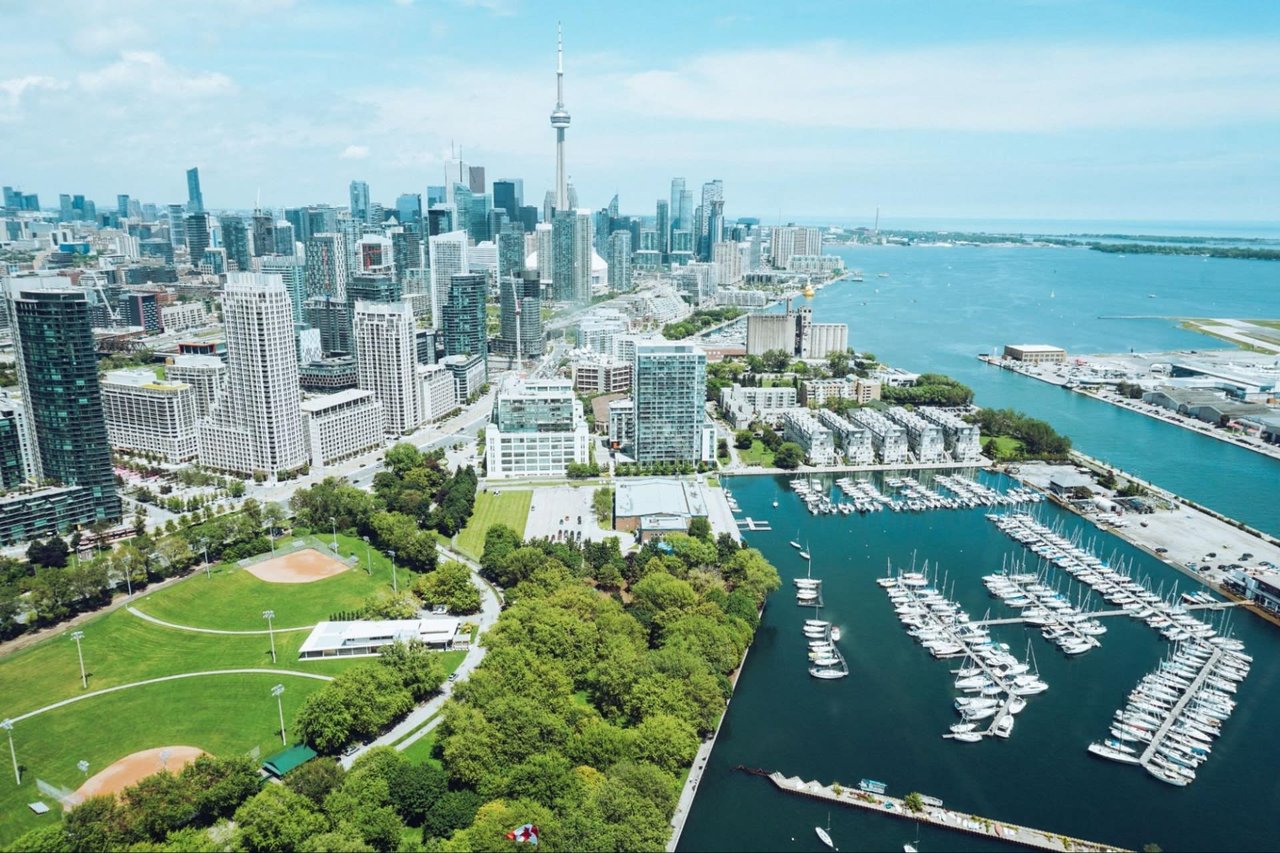
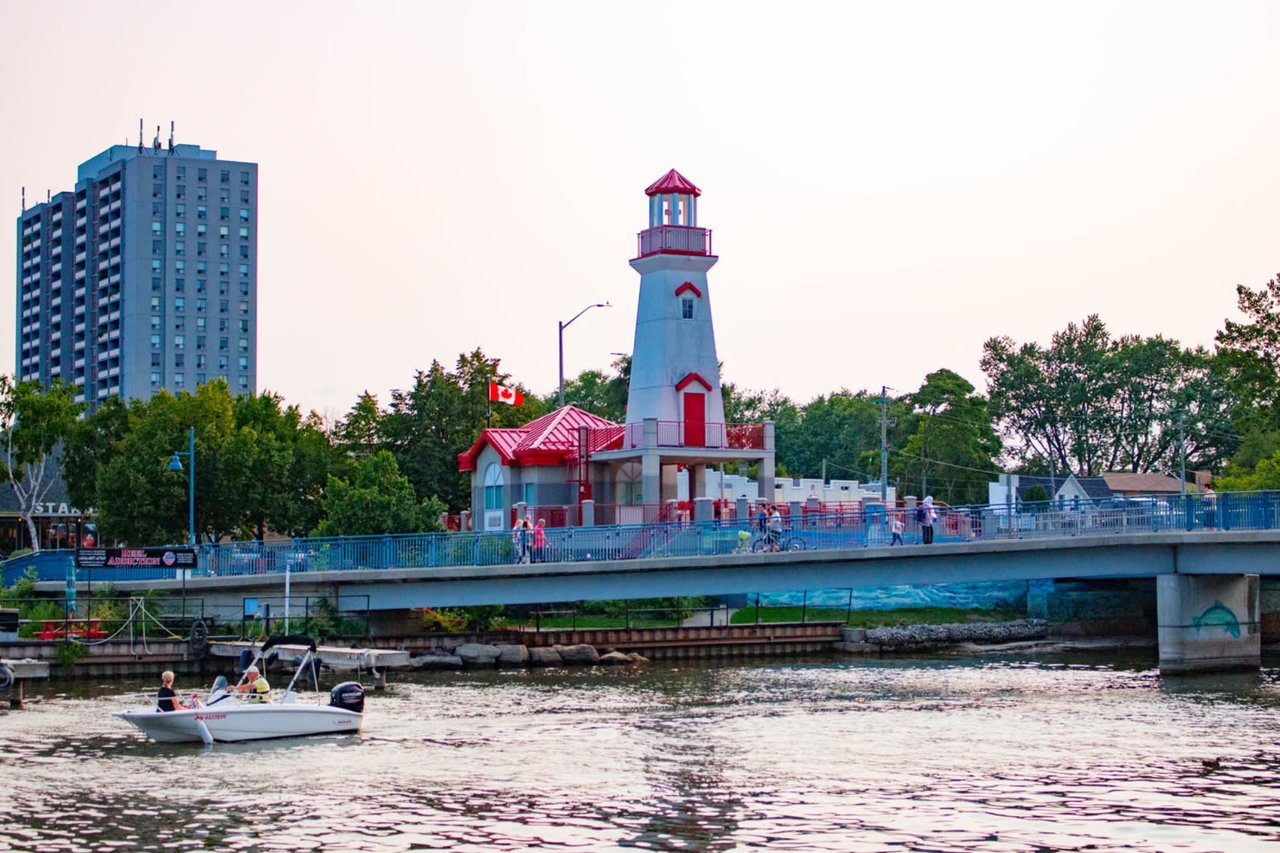
South Etobicoke’s New Toronto neighbourhood includes older mid-century high-rises, low-rise walk-ups, and newer lakeside towers. Building age and proximity to the waterfront can influence repair cycles.
- Older buildings often face balcony and concrete restoration, window and door replacement, and building envelope projects. These can lead to special assessments if the reserve fund is not aligned with the study.
- Waterfront exposure and freeze–thaw cycles can accelerate façade and roof needs. If the certificate or minutes mention exterior work, review the timelines and budgets.
- Parking allocation can be a pressure point near transit corridors along Lakeshore. Confirm your space and any related fees, and read the rules for visitor parking or car-share use.
- In Toronto practice, request the status certificate early. For older buildings, ask for the full reserve fund study and recent board minutes to understand trends in legal costs, arrears, and assessments.
A simple review workflow
A structured process keeps your offer protected and your timeline predictable. Here is how a coordinated team and your lawyer usually move through the review.
Before you offer
- Make your offer conditional on a status certificate review with a defined time frame.
- Ask the seller’s side to request the certificate right away once there is an accepted offer.
- Identify any known upcoming projects from the listing notes or prior sales in the building so your lawyer knows where to focus.
Your lawyer’s checklist
- Confirm the delivery date and fee for the status certificate package.
- Verify your unit’s current fees, any arrears, and line items in the operating budget.
- Review reserve fund balance, the most recent study, and any planned capital projects. Confirm whether contributions match recommendations.
- Examine legal notes and request pleadings or insurance correspondence when litigation is disclosed.
- Check for special assessments, proposed levies, or extraordinary expenses in the near term.
- Confirm parking and locker allocations and whether they are part of your unit or governed by separate agreements.
- Review insurance terms, including any deductible that could be charged back to owners.
- Read recent board minutes and financial statements for trends such as increasing legal costs, rising arrears, or repeated special assessments. Then deliver a written opinion: proceed, proceed with protections, or terminate.
If issues arise
- Ask the seller to clarify, pay down arrears, or obtain a board statement on timelines and budgets.
- Negotiate price adjustments, seller credits, or a holdback until a project finishes.
- If litigation or structural risk is material, consider indemnities or walk away under your condition.
Quick buyer checklist
Use this short list to keep your review on track.
- Confirm monthly fees and whether the unit has arrears.
- Note the reserve fund balance, study date, and recommended contributions.
- Identify planned capital projects and how they will be funded.
- Scan for special assessments already levied or anticipated.
- Review legal notes for building envelope or water damage claims.
- Check insurance details and any deductible that could be charged back.
- Verify parking and locker allocations and any related fees.
- Read rules and by-laws for rental, pet, and renovation policies.
- Ask for the full reserve fund study and recent board minutes if large projects are mentioned.
- Keep a clear review window in your offer and follow your lawyer’s advice.
Work with a local team
Buying a condo in New Toronto is easier when you have a clear process and a local guide. You want straight answers on reserve funds, timelines, and what projects are typical for South Etobicoke buildings. Our team focuses on helping you understand the facts, set the right conditions, and negotiate protections so you can move forward with confidence. If you are considering a condo along Lakeshore or nearby, connect with the Larose Team to plan your purchase and review strategy.
FAQs
What is a status certificate in Ontario?
- It is the condo corporation’s official package that outlines fees, reserve fund health, legal actions, insurance, and rules so you can assess risk before finalizing a purchase.
How long does it take to get a status certificate in Toronto?
- Many buyers plan for up to about 10 business days from request to delivery, then 3 to 10 business days for a lawyer’s review, although timing varies by building.
What is a good reserve fund balance for a condo?
- A healthy fund aligns with the reserve fund study’s recommendations and planned projects; low balances relative to upcoming work can signal fee increases or special assessments.
What if the certificate shows a special assessment?
- You can negotiate a price adjustment or seller credit, request a holdback, or use your status certificate condition to walk away if the assessment is a material concern.
Do I need a lawyer to review a status certificate?
- Yes, a lawyer’s review is standard and valuable since they analyze reserve funding, legal notes, and insurance to advise whether to proceed, renegotiate, or terminate.
Are parking and lockers included with my condo unit?
- The status certificate specifies allocations and whether they are included or subject to separate agreements or fees; verify details and any associated costs before you waive conditions.