If your weekdays involve school drop-offs, office commutes, and trying to keep family life running on time, where you live can make a big difference. Etobicoke stands out because it gives you more than one way to get around, with a mix of subway, GO, and highway access across several pockets. If you are weighing space, commute options, and day-to-day convenience, this guide will help you understand which parts of Etobicoke may fit your routine best. Let’s dive in.
Why Etobicoke works for commuters
Etobicoke offers a practical middle ground for buyers who want a Toronto address without giving up driver-friendly access. A City of Toronto survey found that access to public transit was the top reason respondents chose to live in Etobicoke, and close-to-highway access also ranked among the area’s key draw factors, according to the Living in Downtown and the Centres report.
That flexibility is rooted in how the area developed. The City of Toronto archives describe Etobicoke as a broad-road, car-oriented suburb shaped by postwar planning, which helps explain why many parts of the district still work well for drivers today, even as transit options have expanded in key nodes like Bloor-Kipling and the new Etobicoke Civic Centre project.
For families, that matters because your commute may not look the same every day. You may need a subway option one day, a GO train another day, and a highway backup when schedules get tight.
Best Etobicoke areas for families
Bloor-Kipling for transit-first living
If your top priority is commute flexibility, Islington-City Centre West is one of the clearest places to start. The City’s 2016 neighbourhood profile places this area between Bloor, Kipling, Islington, the Gardiner Expressway, and Highway 427, giving it strong regional connections and a built-in transit advantage through the Islington-City Centre West neighbourhood profile.
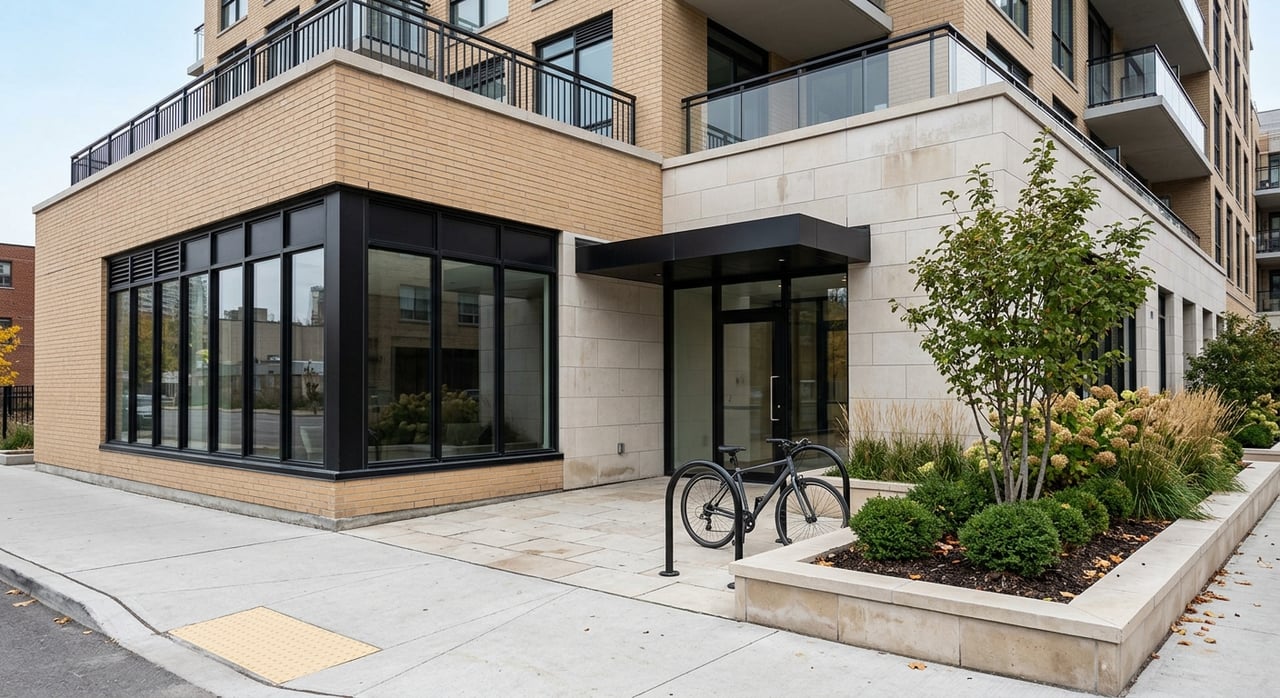
This pocket is also changing in a big way. The new Etobicoke Civic Centre at 3755 Bloor Street West is planned as a mixed-use, transit-oriented community with municipal offices, childcare, a library, a public health clinic, a recreation centre, retail, parkland, and about 2,700 homes.
For families, that future mix of civic services could make the area even more convenient over time. It is one of the few parts of Etobicoke where transit access and everyday amenities are being planned together at a large scale.
What to know about station access
Accessibility can make a real difference if you use a stroller, travel with kids, or have mobility needs in your household. According to the TTC, Kipling Station is accessible and connects with GO Transit and MiWay, while Islington Station is not currently accessible, though an Easier Access project is underway.
That distinction may seem small at first, but in daily life it can shape which side of the area feels more practical. If you want the strongest transit backup plan, Kipling often stands out.
South Etobicoke for rail and waterfront
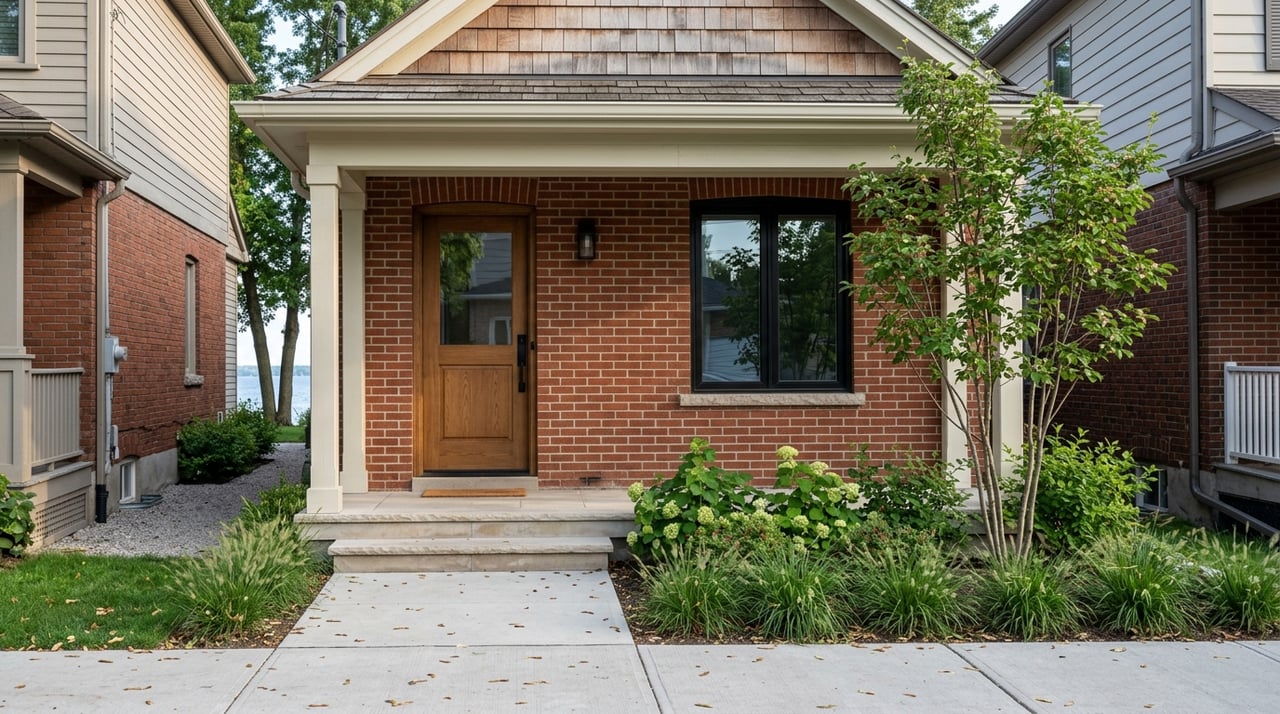
Mimico and Long Branch can appeal to buyers who want commuter rail access along with a lakeshore setting. This part of Etobicoke is especially worth a look if your work schedule benefits from GO service and you like the idea of having waterfront trails and amenities nearby.
According to GO Transit, Long Branch GO station details show TTC and MiWay connections, while Mimico GO offers TTC connections and bike-share docks. GO also notes that Long Branch is part of a station improvement project that includes new entrances, elevators, bike facilities, and track work intended to support more frequent future service.
For some families, south Etobicoke is a smart trade-off. You may find a more apartment-heavy or mixed housing pattern than in some inland pockets, but you gain direct rail options that can make downtown trips or cross-regional travel easier.
Eglinton and Royal York for houses
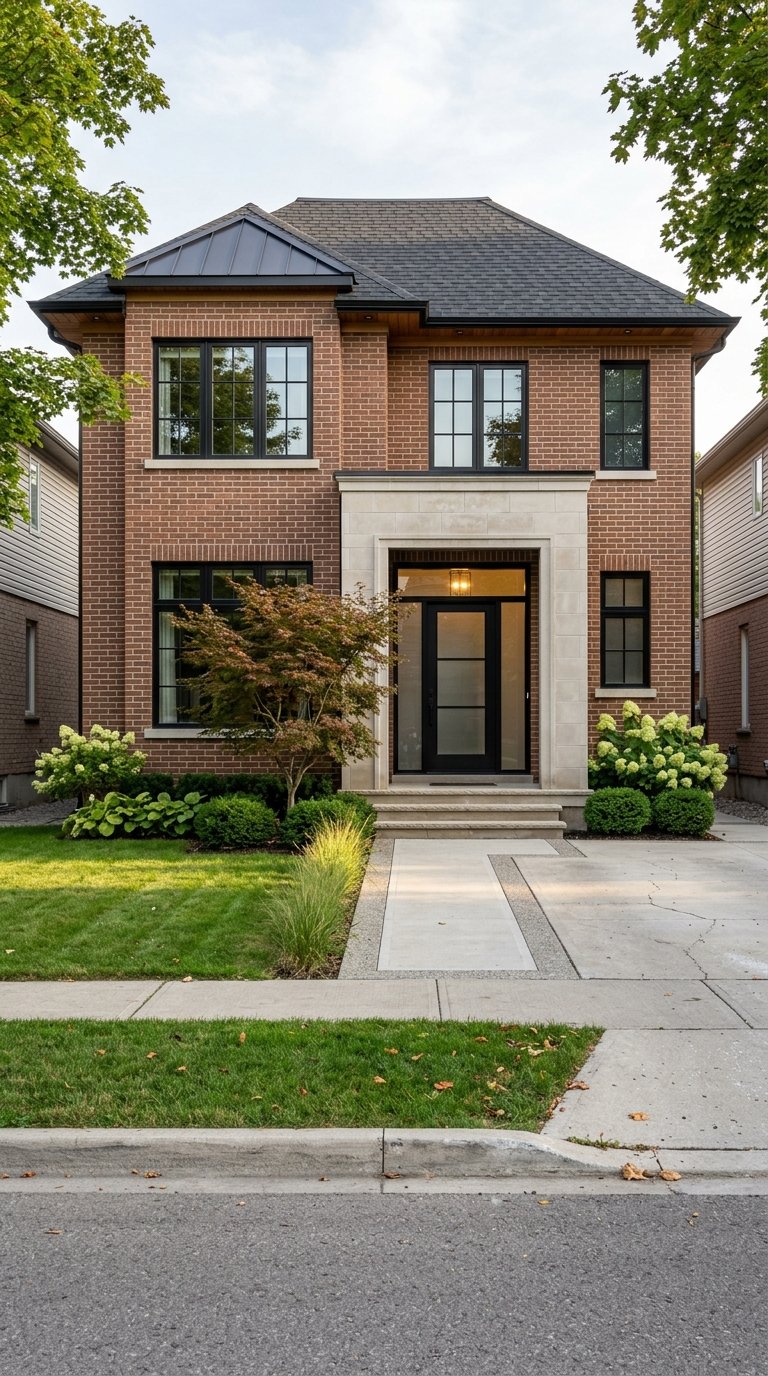
If your priority is more low-rise housing and family-oriented streets, the west-central part of Etobicoke around Eglinton and Royal York deserves attention. Ward-level census data show that Etobicoke Centre has 62,865 residents in single-detached dwellings versus 39,905 in apartment buildings of five or more storeys, according to the Etobicoke Centre 2021 Census Profile.
In practical terms, that often means more older detached homes, more established residential streets, and more room than you may find closer to the lakeshore condo clusters. The average household size in Etobicoke Centre is 2.58, which also points to a broad mix of household types using this area as a long-term home base.
This pocket may suit you if you want space first and transit second. You can still access key routes, but the bigger draw is often the housing stock itself.
Nearby school examples
For buyers comparing daily routines, nearby public-school examples in this broader area include Westmount Junior School near Eglinton and Royal York and Lambton-Kingsway Junior Middle School on Prince Edward Drive. For secondary options along the lakeshore corridor, Lakeshore Collegiate Institute is another public-school example noted in the research.
If you are considering Catholic board options, schools such as Holy Angels are among the board-run schools located across Etobicoke. Because school placement is address-specific, it is important to verify the exact assigned school using the TDSB school finder by address.
North Etobicoke for mixed housing
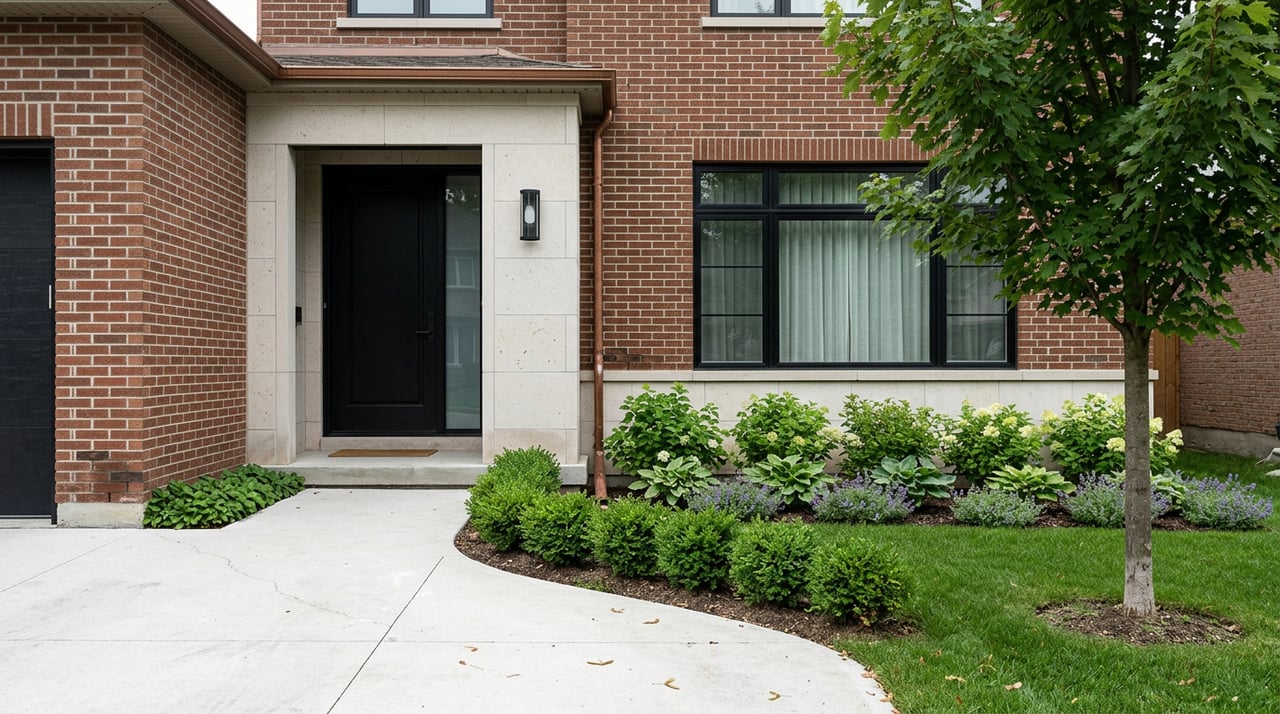
North Etobicoke can make sense if your needs lean more toward driving, mixed housing options, or a less transit-centered lifestyle. It is not as uniformly low-rise as some family pockets farther south and west, but it does offer a broader mix of detached homes and apartment buildings.
The Etobicoke North 2021 Census Profile shows 36,585 residents in single-detached dwellings and 43,965 in apartment buildings of five or more storeys, with an average household size of 3.02. The same profile notes that 17.3% of employed residents had no fixed workplace address in 2021, which suggests a wider variety of work patterns than in some other parts of Etobicoke.
For commuter families, this area may fit best if your routine is less tied to a single downtown destination. If you split time between multiple GTA locations or need easier car-based movement, North Etobicoke may be worth considering.
How housing type affects your choice
One of the biggest decisions in Etobicoke is not just where to live, but what kind of home best supports your schedule. The most transit-rich areas tend to be denser and more condo-heavy, while the house-dense pockets are often less transit-central.
That trade-off shows up clearly across the ward data. Etobicoke Centre leans more detached, Etobicoke-Lakeshore is more apartment-heavy, and Etobicoke North sits in the middle as a more mixed landscape. The Etobicoke-Lakeshore 2021 Census Profile also notes a 41.4% work-from-home share in the 2021 census, though that should be treated as directional because it reflects a pandemic-era snapshot.
If you commute every day and want strong backup options, you may prefer denser transit hubs like Bloor-Kipling or south Etobicoke. If you want more indoor and outdoor space for family life, west-central Etobicoke may offer a better fit.
Etobicoke vs West Mississauga
For many buyers, the real comparison is not just between Etobicoke neighborhoods. It is whether Etobicoke makes more sense than west Mississauga for the way your household moves through the week.
Based on the transit and housing data in the research, Etobicoke offers more commute redundancy in one area. You have subway access at Kipling and Islington, GO access at Mimico and Long Branch, and a major city-centre transit node around Bloor-Kipling, supported by the TTC and City sources already noted above.
That can be a major advantage if you do not want to rely on one commuting method. In simple terms, Etobicoke often works best for buyers who want Toronto proximity, multiple transit modes, and a range of housing choices, even if that means accepting a denser built form in the most connected pockets.
What families should prioritize first
When you start narrowing your options, it helps to rank your priorities before you tour homes. In Etobicoke, the right fit often comes down to which of these matters most:
- Transit redundancy if you want subway, GO, and highway options
- Low-rise housing if indoor and outdoor space is your top goal
- Station accessibility if strollers or mobility needs are part of daily life
- School verification since attendance areas depend on your exact address
- Future amenities if planned civic improvements matter to your long-term decision
A clear priority list can save you time and keep your search focused. It also helps you compare neighborhoods more realistically, since no single pocket gives you every advantage at once.
If you are trying to balance commute logistics with the kind of home your family actually wants to live in, Etobicoke offers several strong options. The key is matching the neighborhood to your routine, not just the listing photos. If you want tailored guidance on where your commute, housing preferences, and budget align best, connect with the Larose Team.
FAQs
Which Etobicoke area is best for GTA commuters who want transit options?
- Bloor-Kipling and Islington-City Centre West are among the strongest options because they combine subway access, regional transit connections, and proximity to major roads.
Which Etobicoke neighborhoods may suit families who want more detached homes?
- West-central Etobicoke around Eglinton and Royal York may appeal to buyers looking for more low-rise housing and established residential streets.
Which south Etobicoke areas offer GO access for commuters?
- Mimico and Long Branch are the key south Etobicoke pockets for GO-based commuting, with TTC connections and station improvements underway at Long Branch.
How can families confirm school options for an Etobicoke home address?
- School attendance is address-specific, so you should confirm the assigned public school using the TDSB address-based school finder before making a decision.
Is North Etobicoke a good fit for commuter families with mixed work patterns?
- It can be, especially if your household relies more on driving or has work schedules that are spread across different GTA locations rather than one fixed downtown commute.