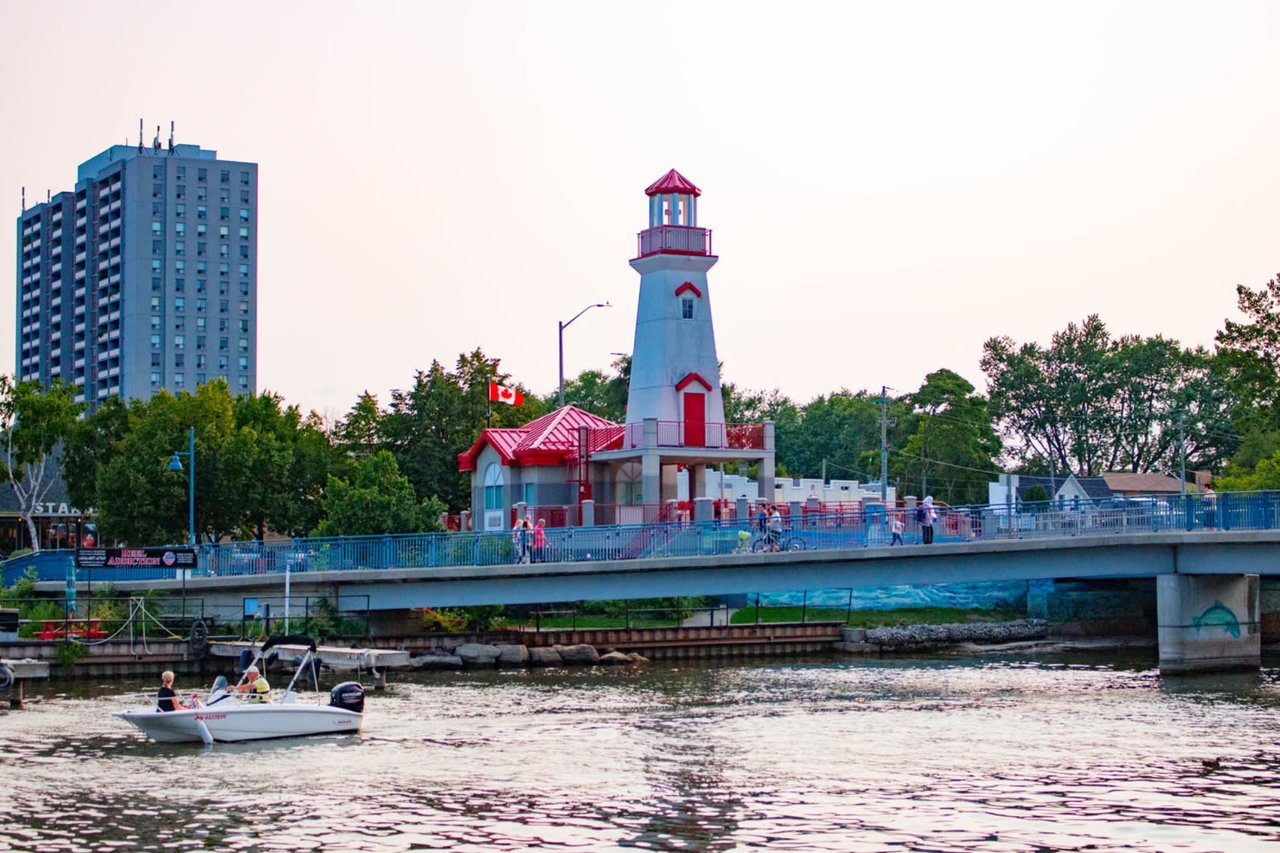
Wondering whether New Toronto still offers a smart path into Toronto’s lakeside market? If you are drawn to the water, want practical commuter access, and hope to buy with more confidence, this neighbourhood deserves a closer look. New Toronto is not a one-note market, and that is exactly why understanding the details can help you make a better decision. Let’s dive in.
What makes New Toronto different
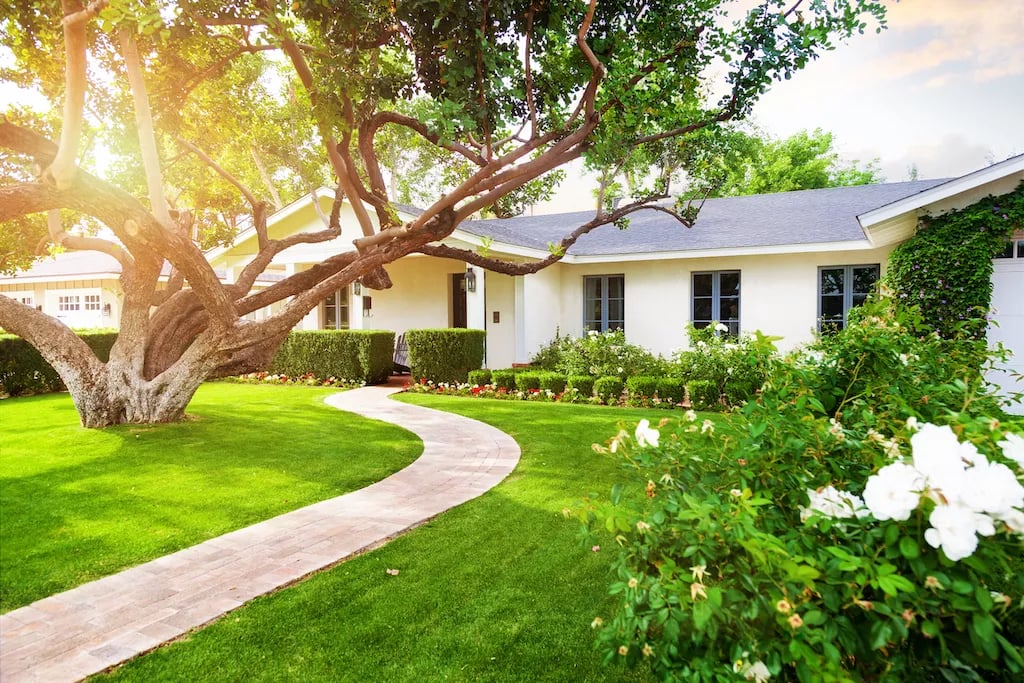
New Toronto is a relatively small lakeside neighbourhood in Toronto’s west end with a housing mix that feels much more house-focused than condo-heavy. According to the City of Toronto’s 2016 neighbourhood profile, the area had 11,463 residents and 5,370 occupied private dwellings, with a mean age of 39.9.
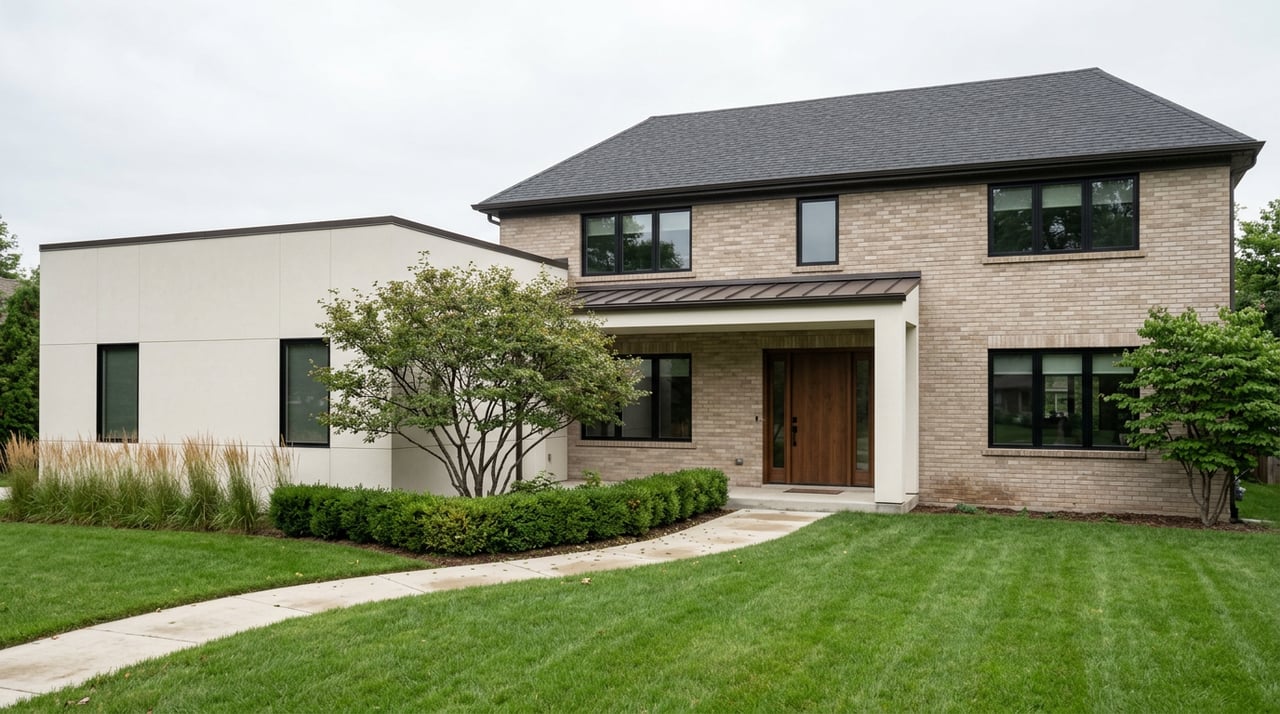
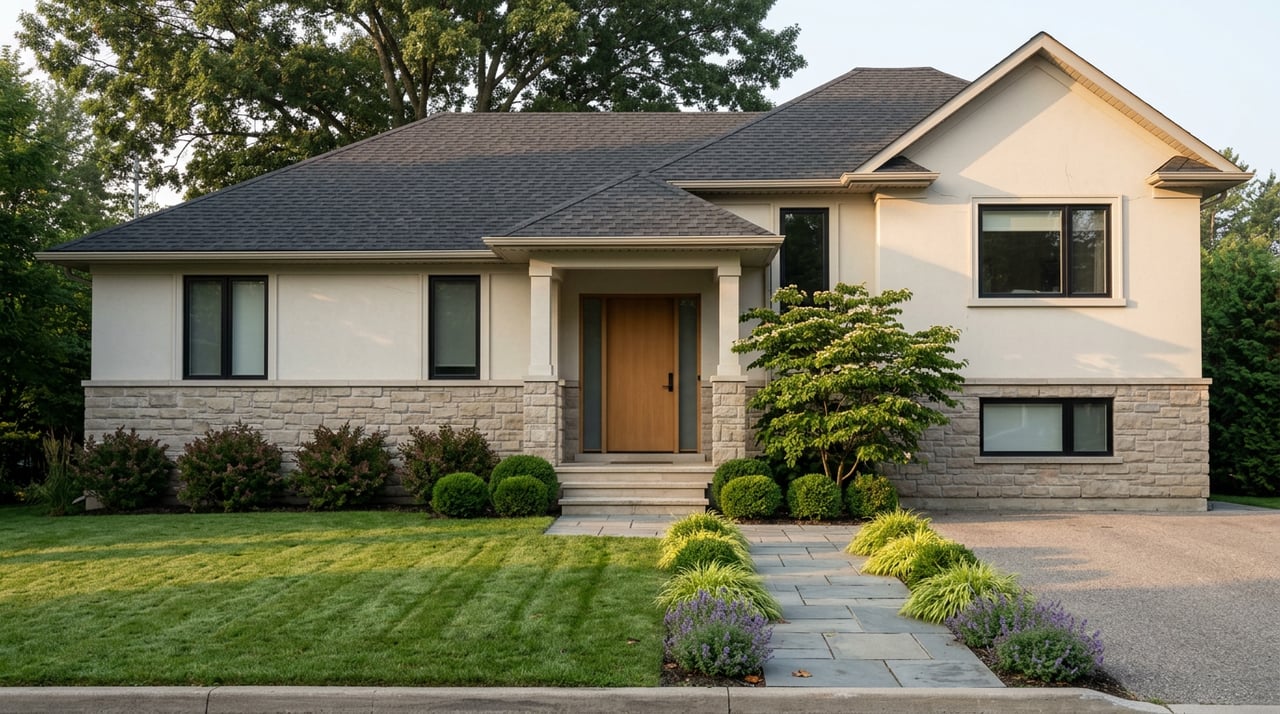
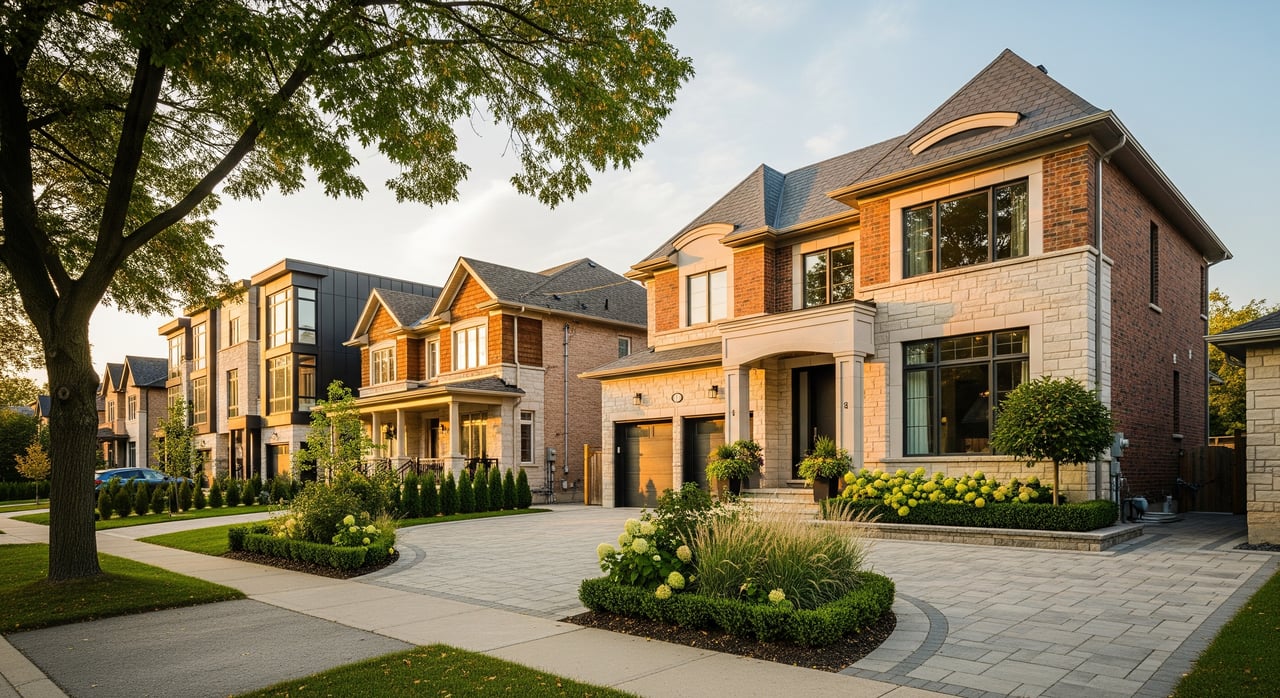
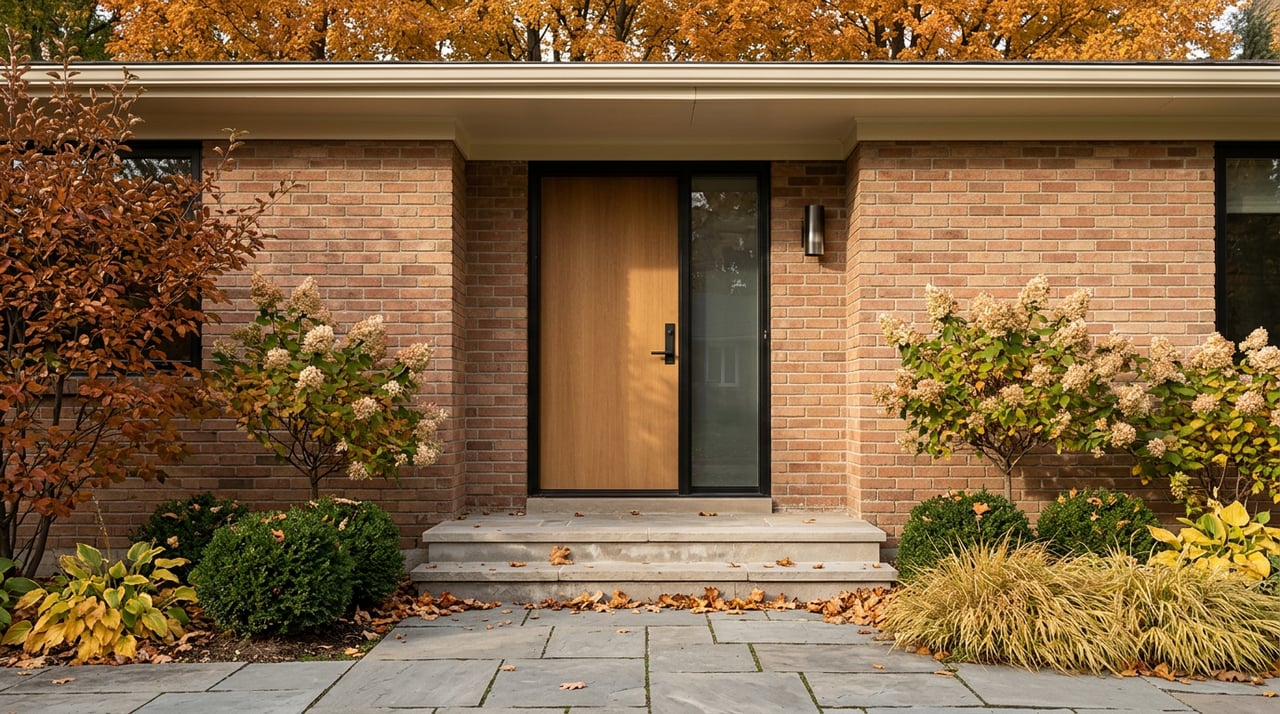
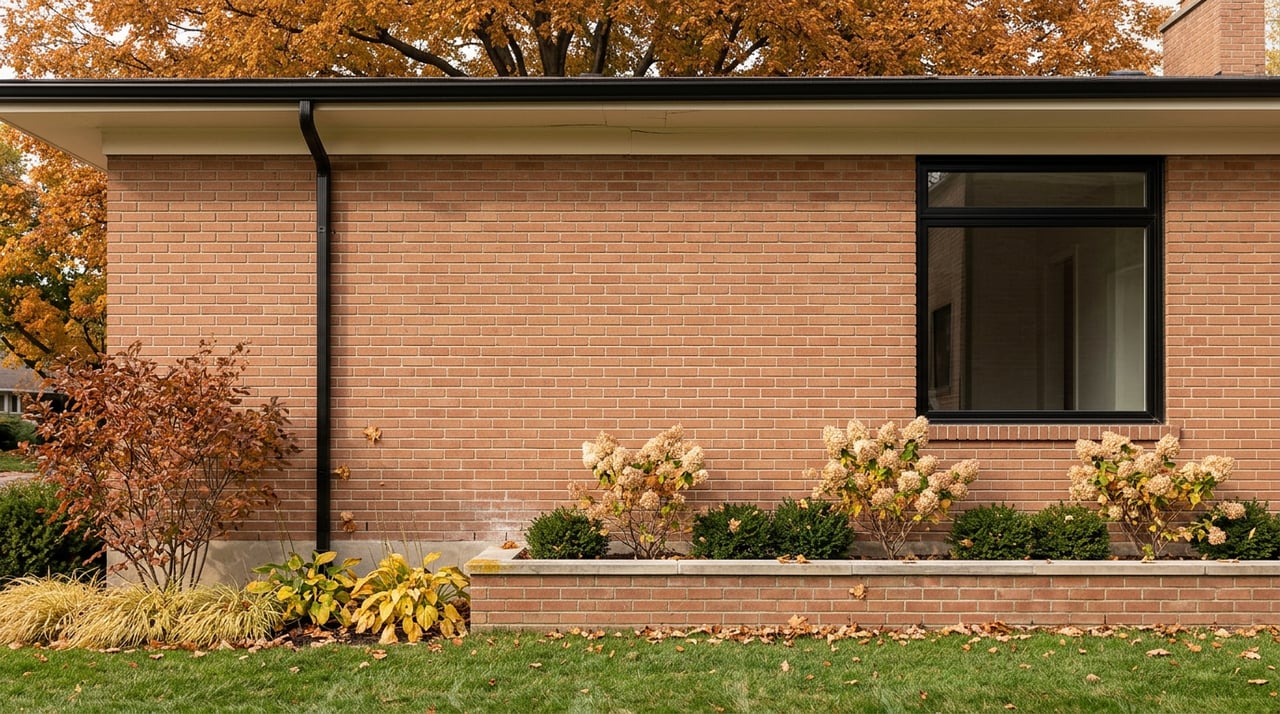
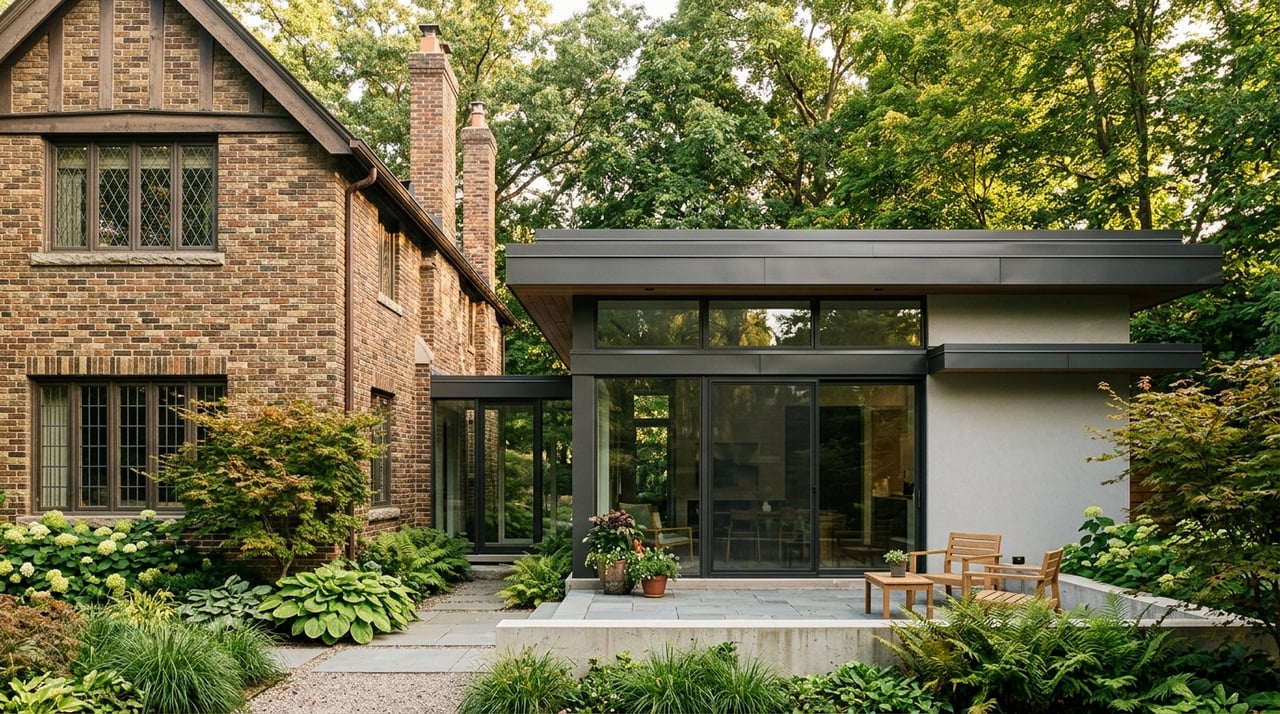
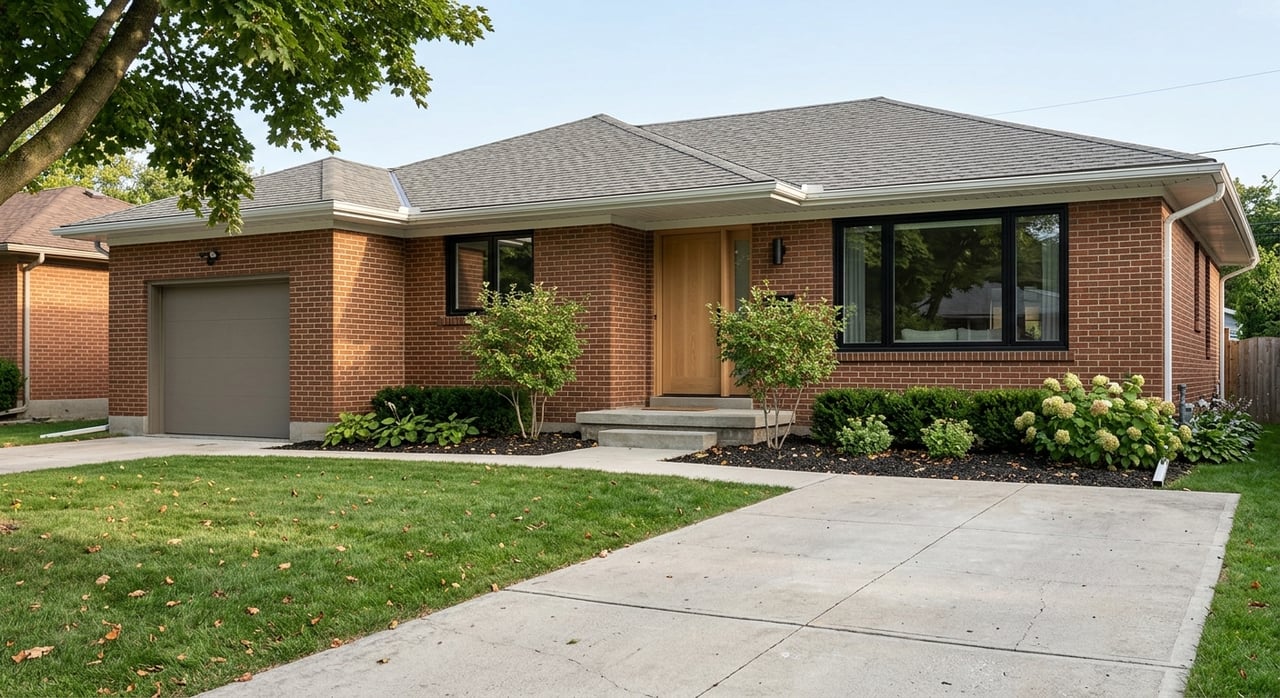
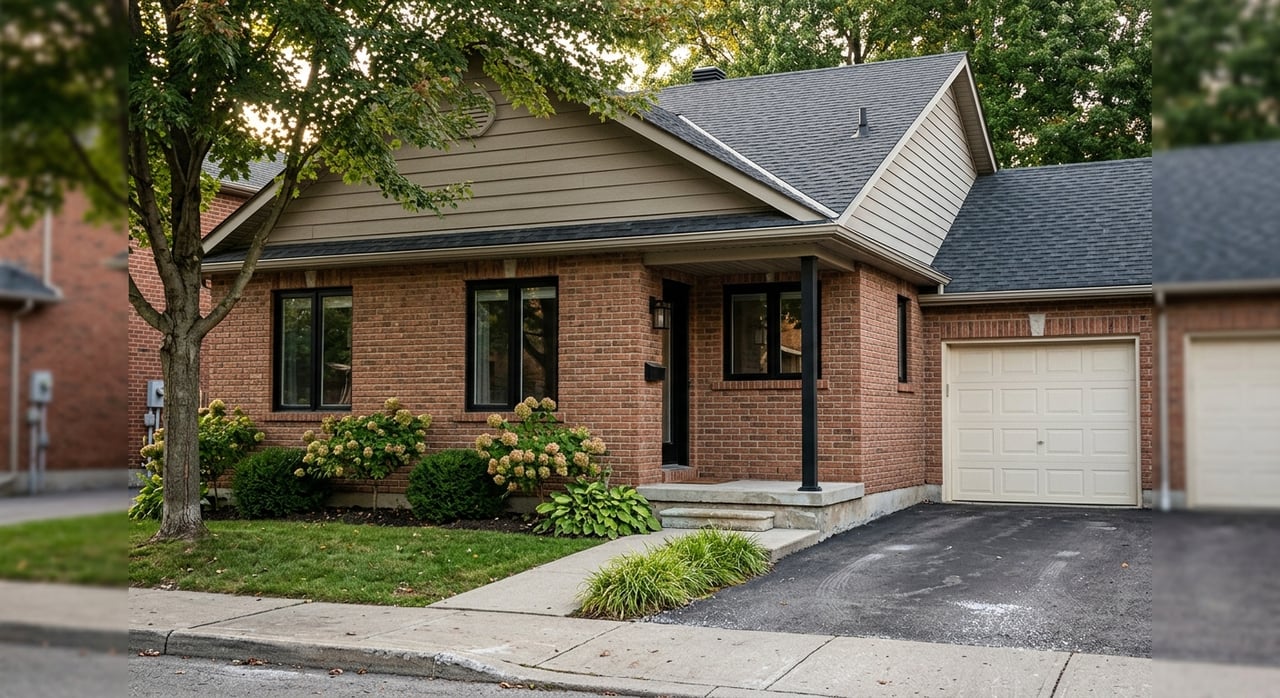
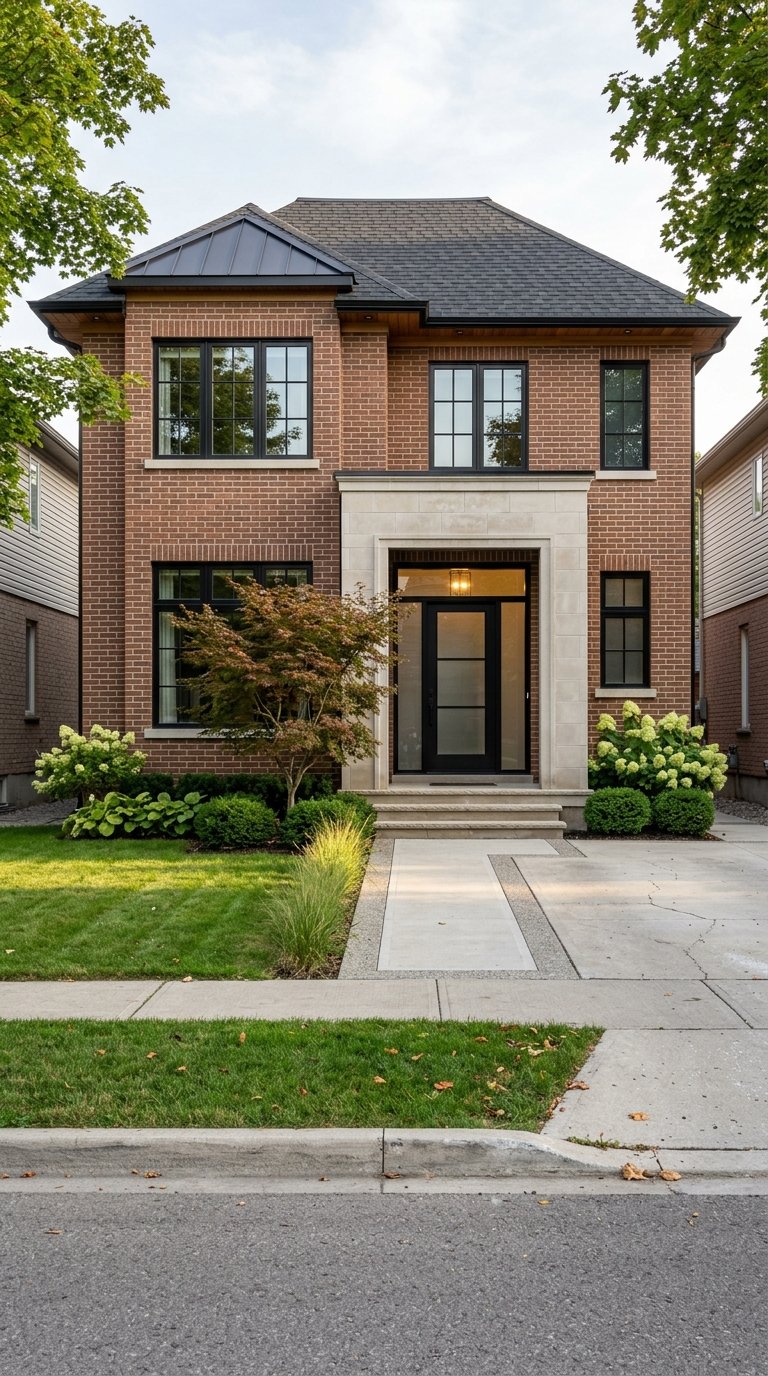
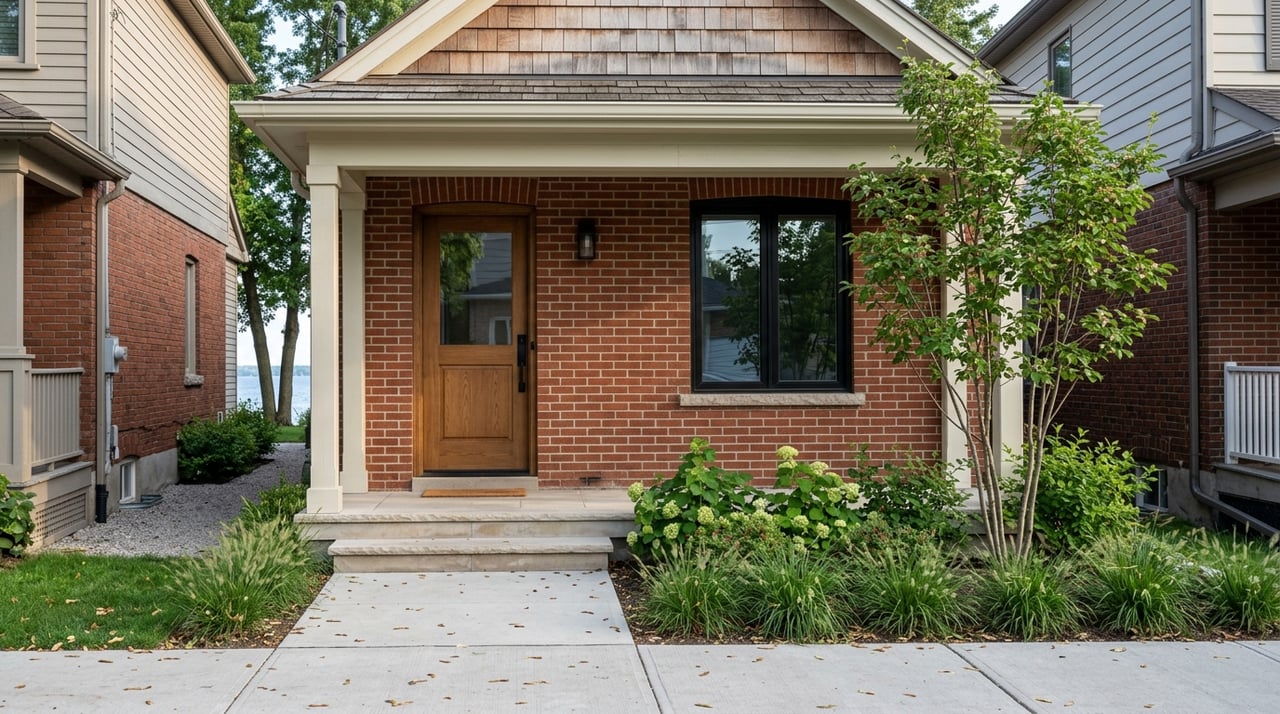
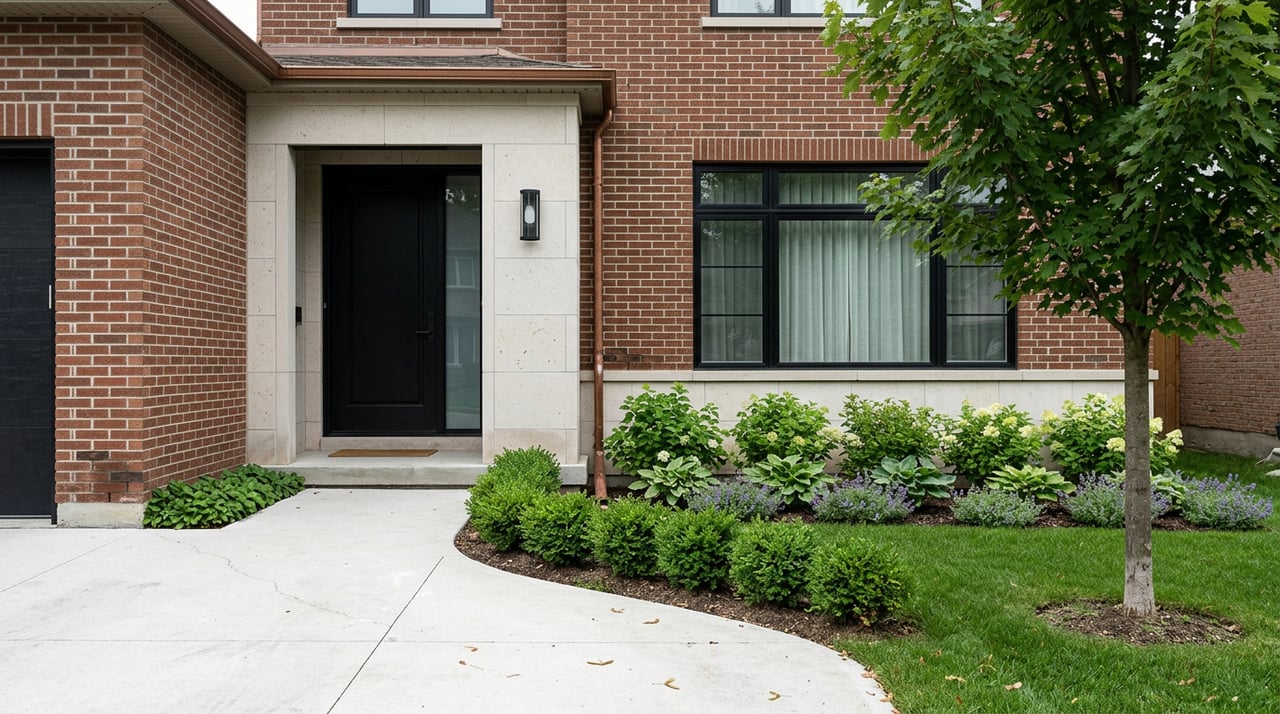
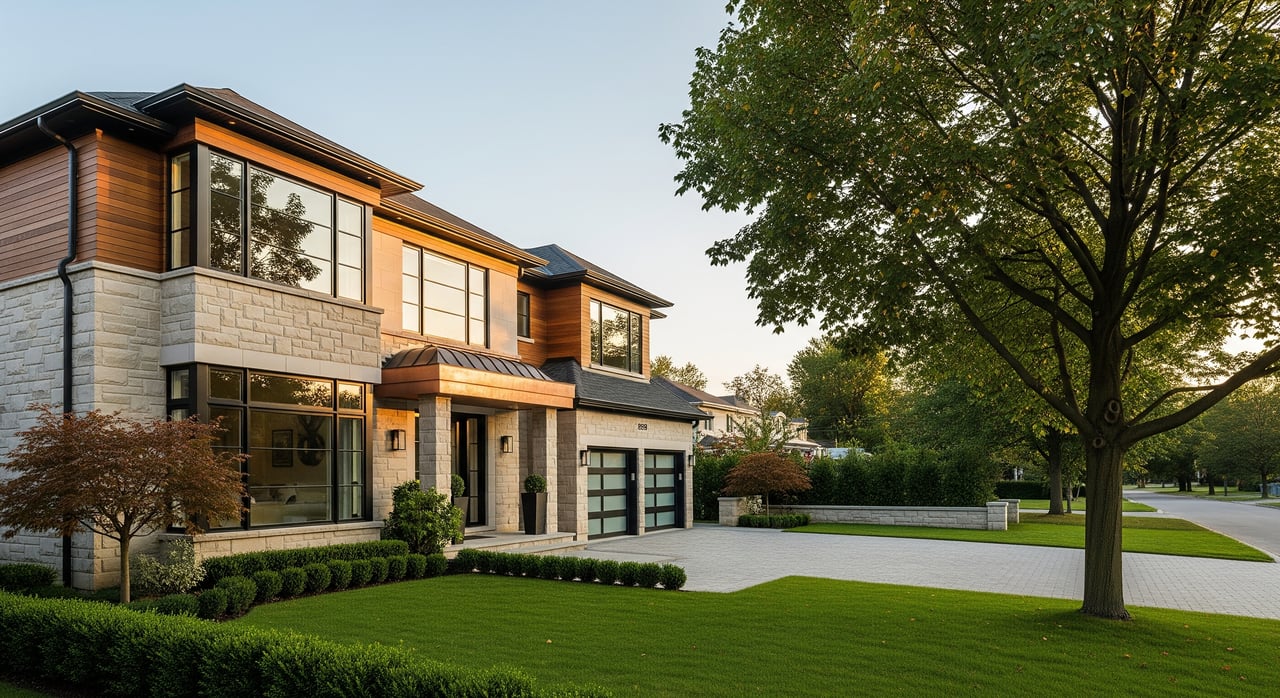
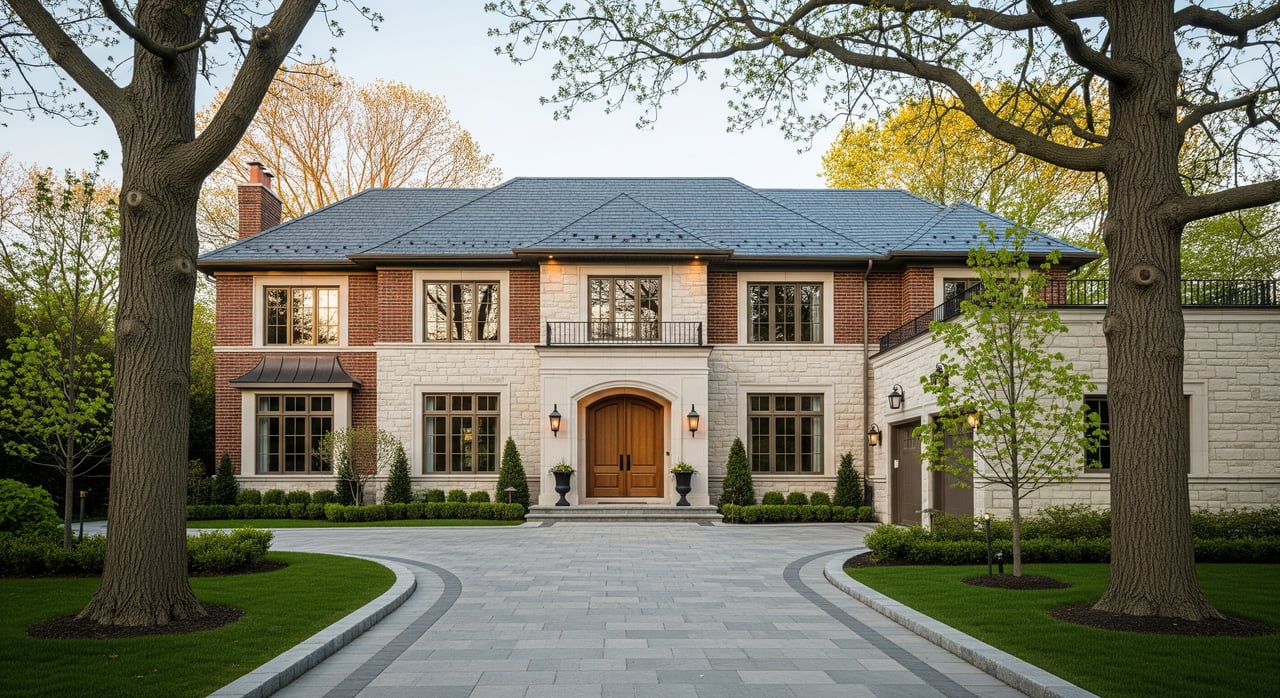
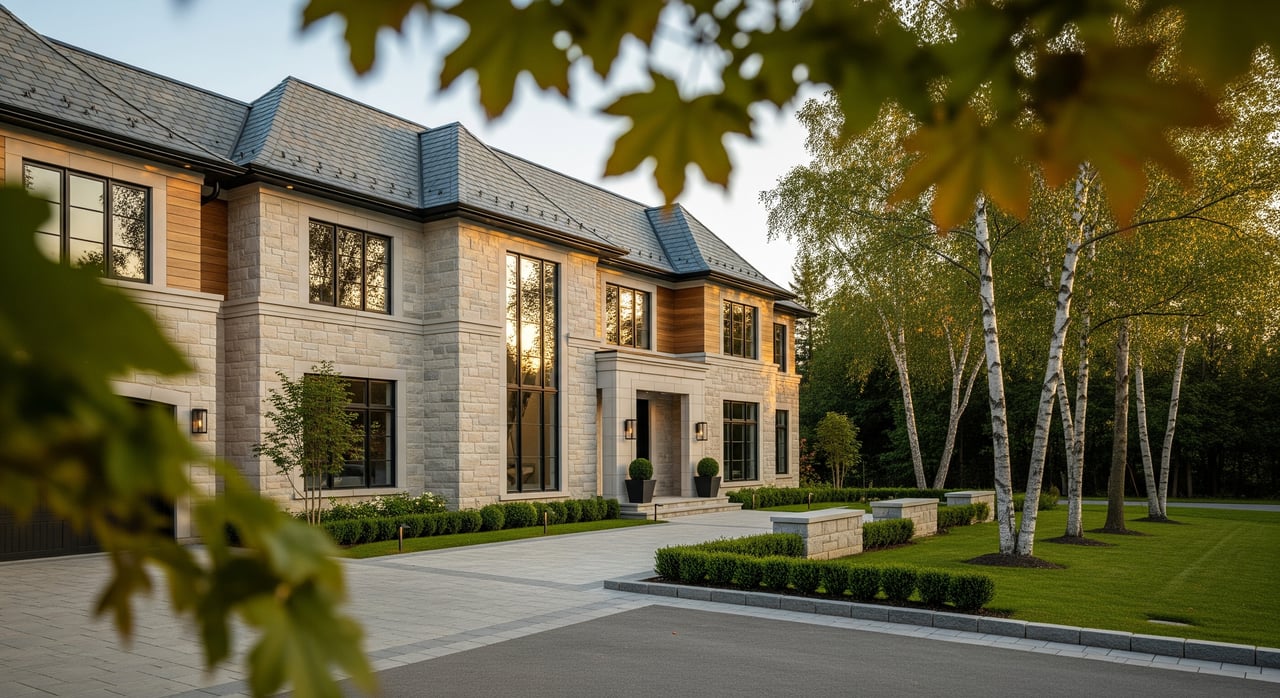
What stands out most is the type of housing you will find here. The same City profile shows that 46% of homes are single-detached, 19% are semi-detached, 9% are row houses, and 13% are duplexes. Apartments and condos exist, but they make up a smaller share of the neighbourhood than many buyers expect in Toronto.
That low-rise character is also supported by local zoning. The City of Toronto’s New Toronto zoning information shows detached homes are permitted across the residential zones, while semi-detached homes are permitted in R2 through R4. In simple terms, New Toronto still reads as a lakeside neighbourhood of houses first, with condos and apartments playing a secondary role.
Why buyers look here now
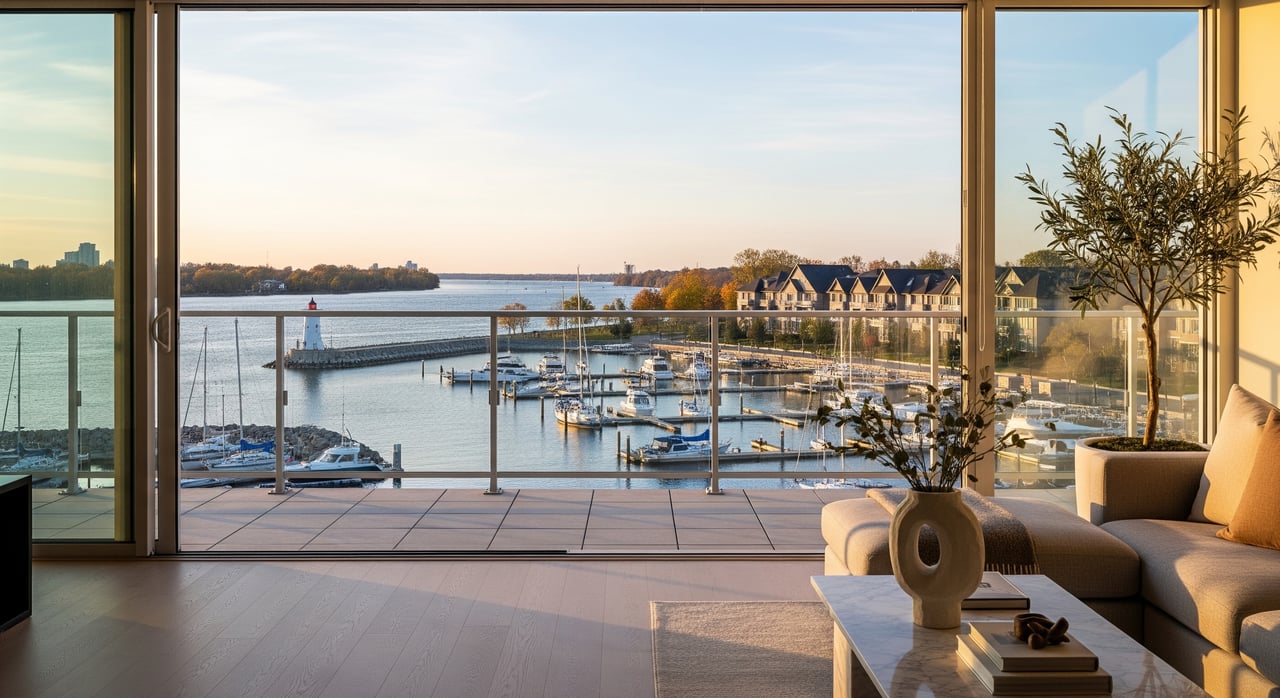
If you want lakeside access without stepping into a fully condo-dominated market, New Toronto fills an interesting middle ground. You can still find detached and semi-detached homes, but you are buying into a part of Toronto where access to Lake Ontario and west-end transit adds real value.
The current numbers suggest a market that is active but not overheated across the board. TRREB’s Q4 2025 community report for New Toronto showed 26 sales, 54 new listings, and 31 active listings, with an average selling price of $853,421 and a median price of $833,250.
Homes were selling in an average of 28 days, and the average sale-to-list ratio was 96%. That points to a market where well-positioned homes can still move quickly, but buyers may have more room to negotiate than they did during the peak frenzy years.
What prices look like by property type
Detached homes remain the highest-priced segment in New Toronto. In Q4 2025, TRREB reported 16 detached sales at an average price of $988,000.
Semi-detached homes came in lower, with 6 sales at an average price of $688,000. That spread matters if you are trying to balance budget with location, especially in a neighbourhood where proximity to the lake and transit can shift value significantly.
Townhouse and condo data in a single quarter can be harder to read here because transaction counts are low. That means you should be careful about drawing broad conclusions from a small sample and instead look closely at the specific building, block, and condition of the home you are considering.
Why location matters block by block
In New Toronto, the phrase “location matters” is not just a cliché. It is a practical rule for pricing and for your day-to-day lifestyle.
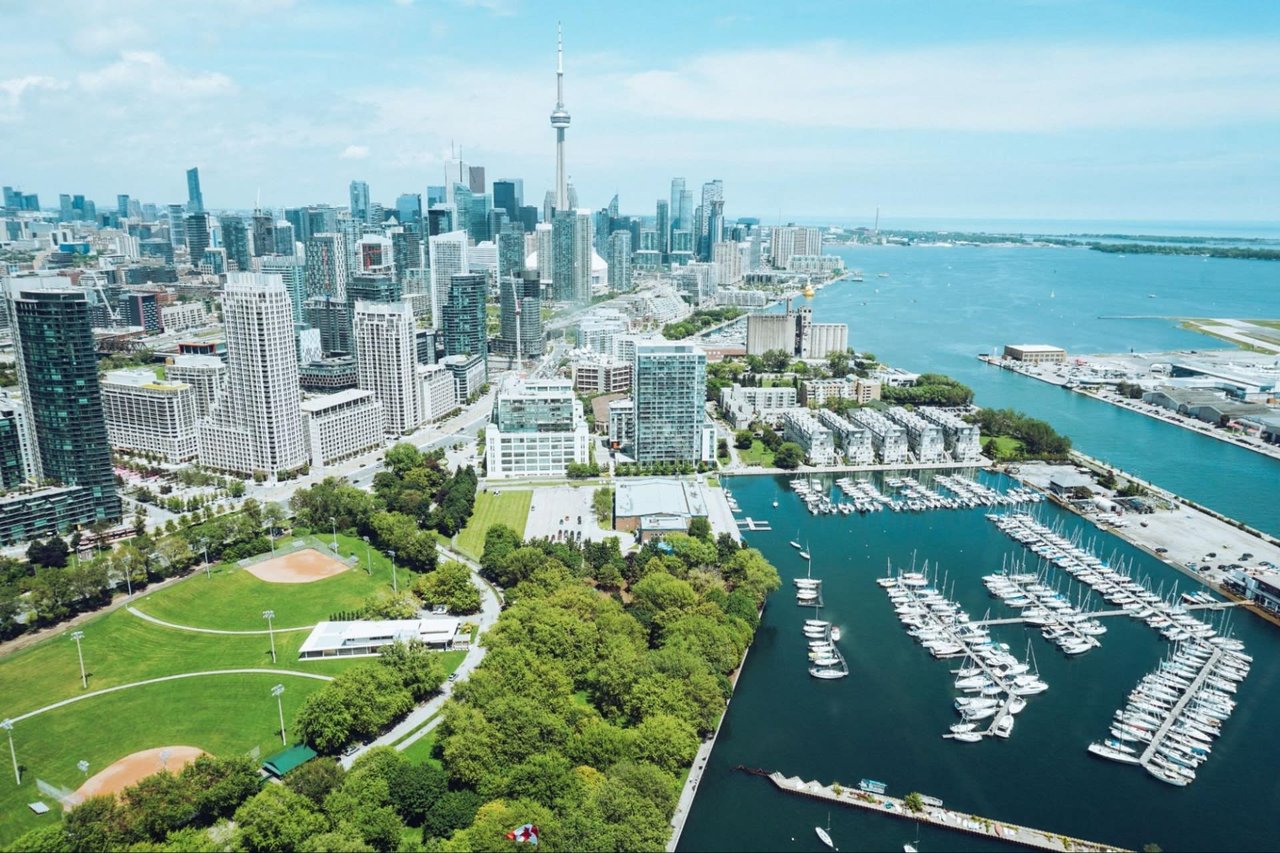
The City of Toronto’s Official Plan identifies the waterfront as one of the city’s defining features, and the Lake Shore Boulevard West study describes this corridor as an established main street with strong visual and physical connections to Lake Ontario. The study notes that those lake connections are often within a 5 to 10 minute walk from the main street.
That helps explain why lake-adjacent blocks can feel more premium than similar homes farther inland. A detached or semi-detached home that gives you easier access to the waterfront, parks, and Lake Shore Boulevard West may command a stronger price than a comparable property deeper into the neighbourhood.
Transit access adds real buying power
For many buyers, New Toronto is not just about the water. It is also about how easily you can move through the city.
The Lake Shore Boulevard West study says the corridor is served by the TTC bus network and the 508 Lake Shore streetcar, with the west end anchored by Long Branch GO Station. GO Transit also notes that Long Branch GO offers TTC and MiWay connections, staffed hours, bike racks, free parking, a waiting room, and Wi-Fi.
That mix of commuter convenience and lakeside lifestyle is a big part of New Toronto’s appeal. If you want a west-end Toronto address with access to both the waterfront and regional transit, homes near Lake Shore Boulevard West and Long Branch GO often stand out.
Older housing stock changes your strategy
One of the most important things to understand before buying here is the age of the housing stock. The City’s 2016 profile shows that roughly two-thirds of dwellings were built before 1980.
That does not automatically mean a home is a problem. It does mean condition can vary widely from one property to the next, even on the same street.
You may see major differences in renovation quality, mechanical updates, layout efficiency, and lot usability. In a neighbourhood like this, two homes with similar square footage can offer very different long-term value once you factor in roof age, plumbing, electrical updates, windows, insulation, or the quality of past renovations.
What this means for inspections
Because New Toronto has a large share of older homes, inspections and condition reviews matter more here than they might in a newer subdivision. A polished kitchen or fresh paint job should never be the only reason you stretch your budget.
The smarter approach is to look past cosmetics and focus on what has actually been improved. If a home has updated systems, consistent maintenance, and a layout that fits your needs, you may be looking at better value than a flashier listing with unresolved underlying issues.
This is especially important if you are comparing detached and semi-detached homes that were built decades ago and have changed hands or been renovated at different times. The right due diligence can protect both your budget and your future resale position.
Condos may offer more flexibility
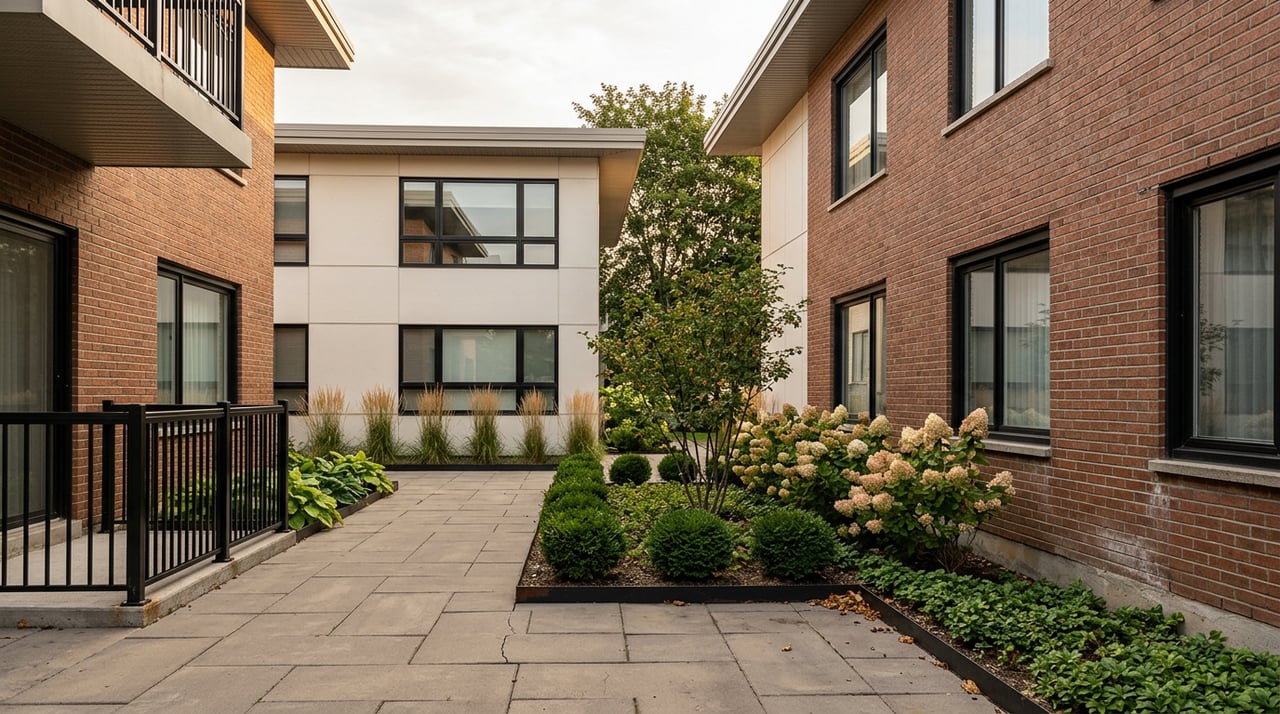
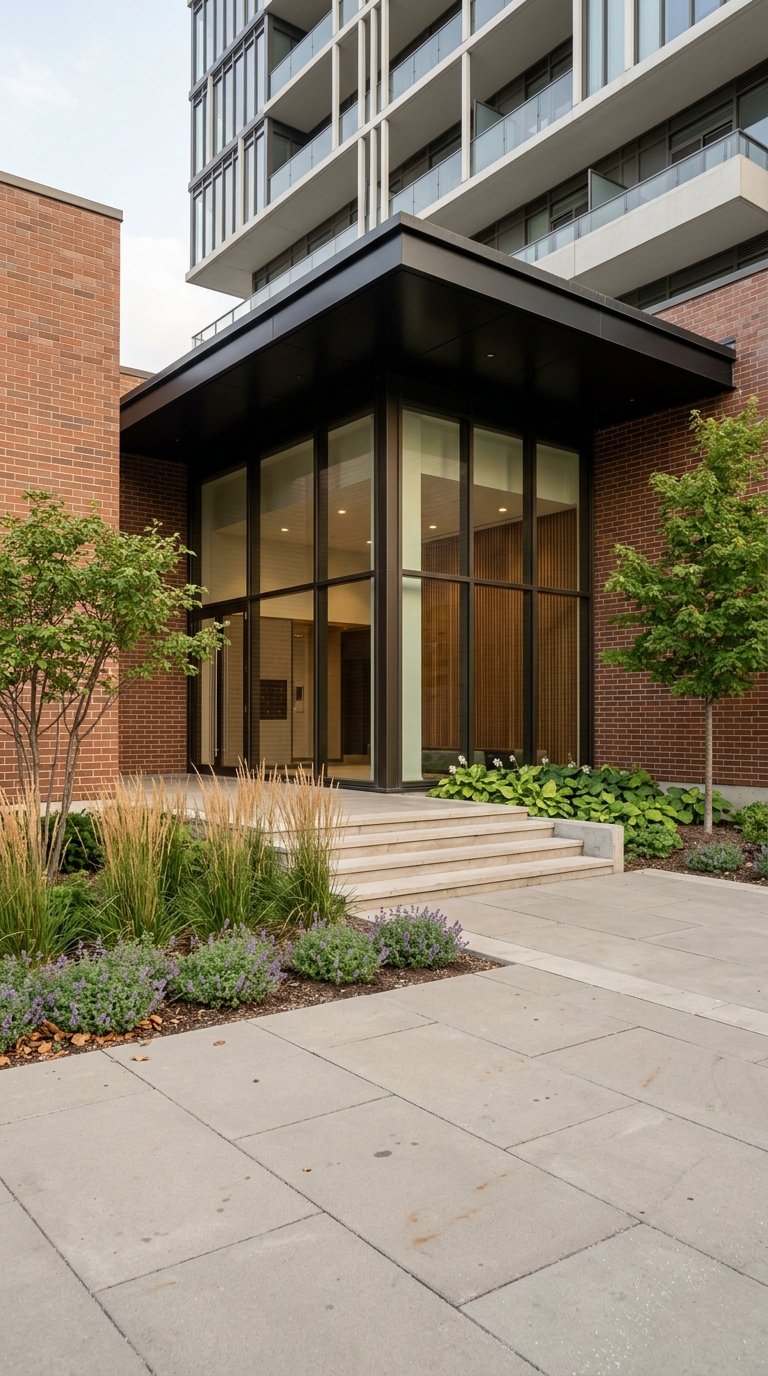
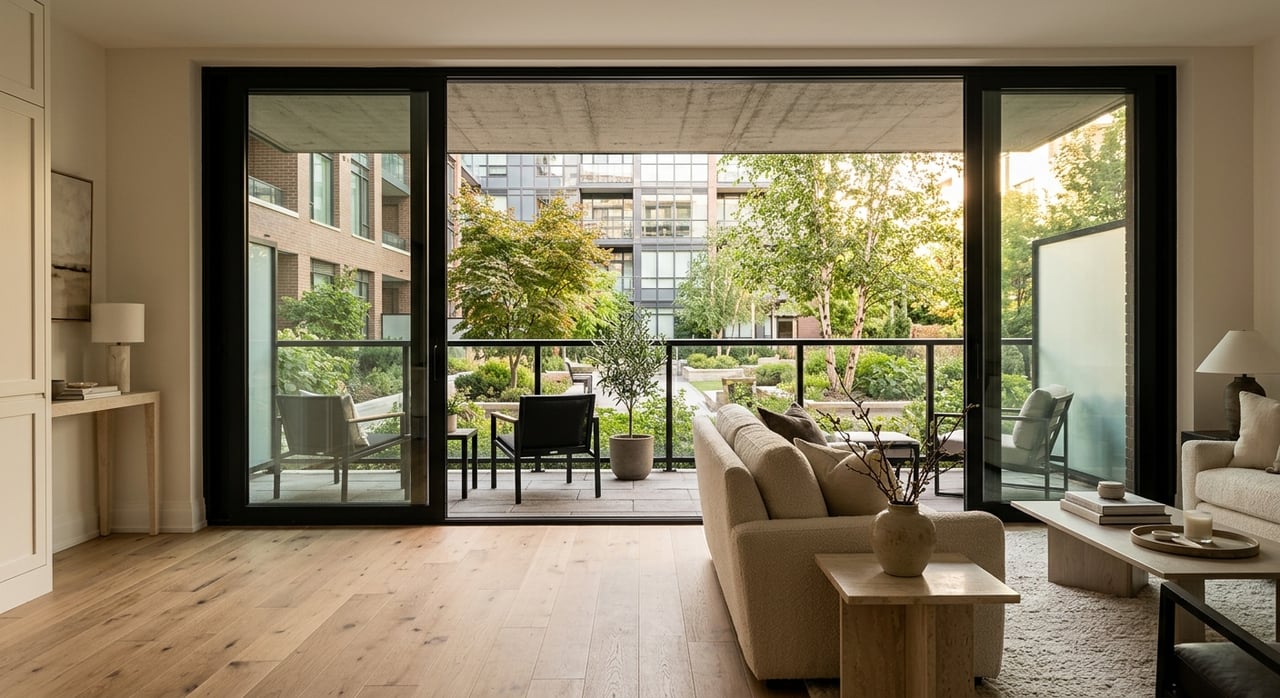
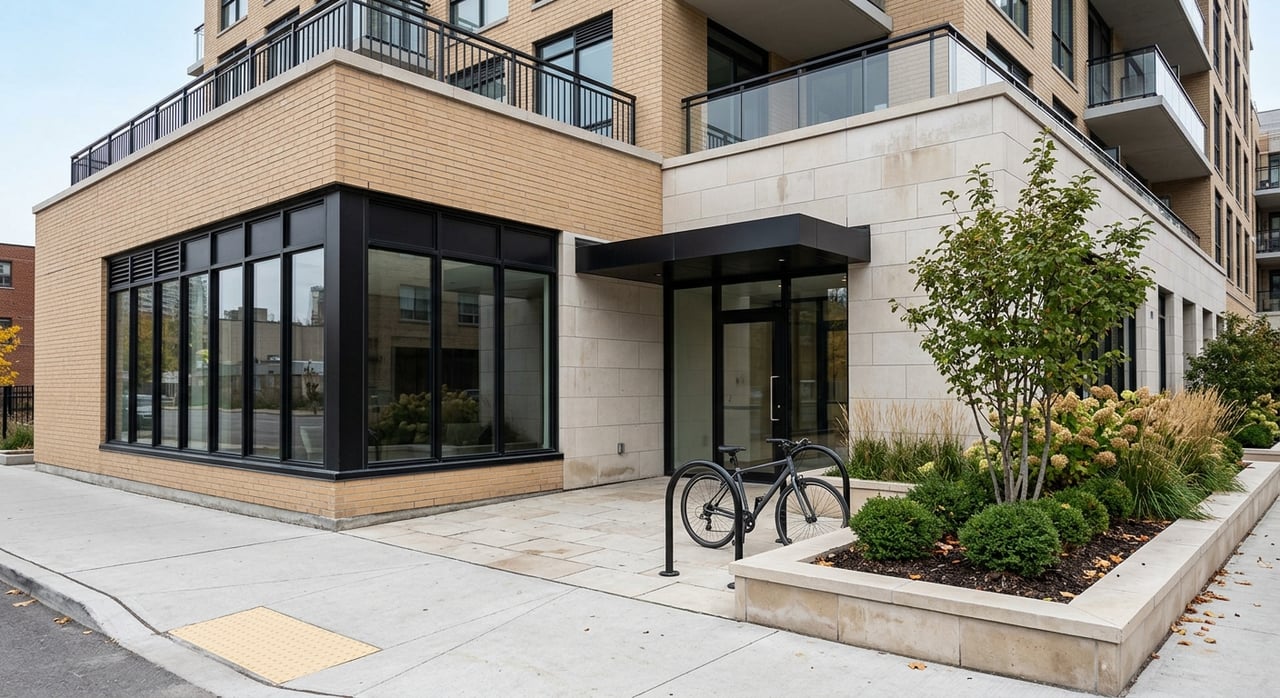
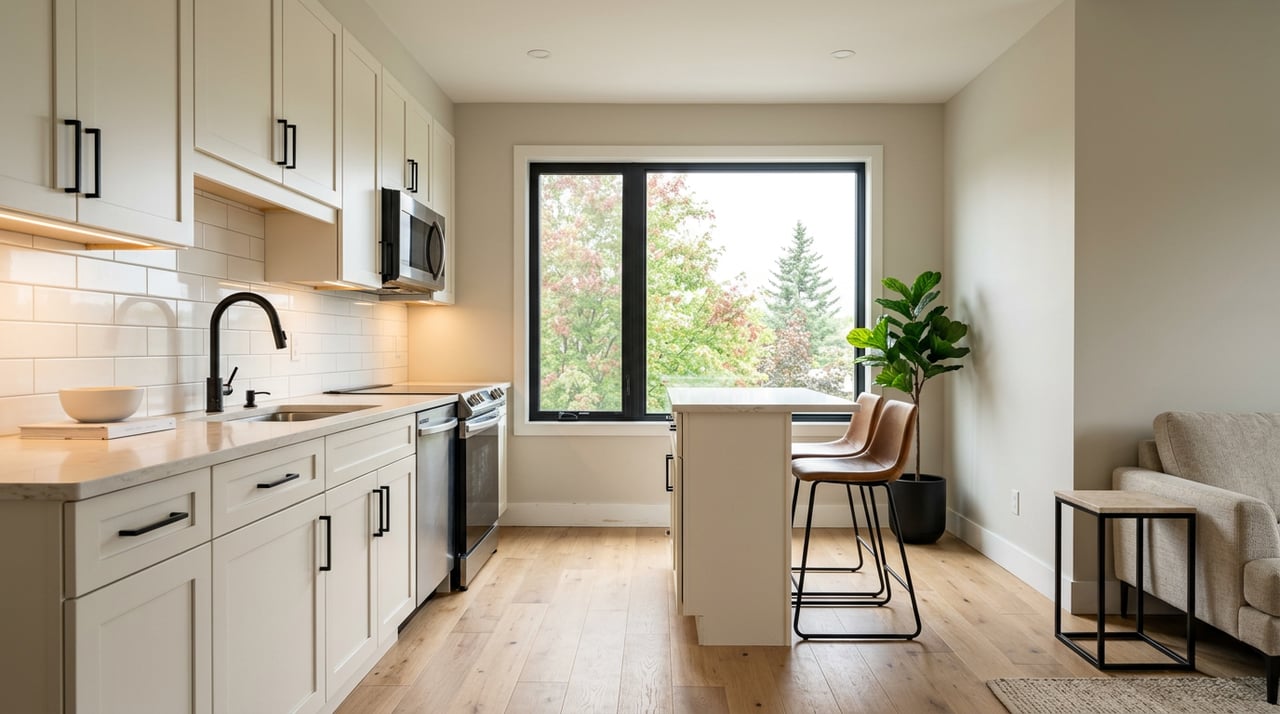
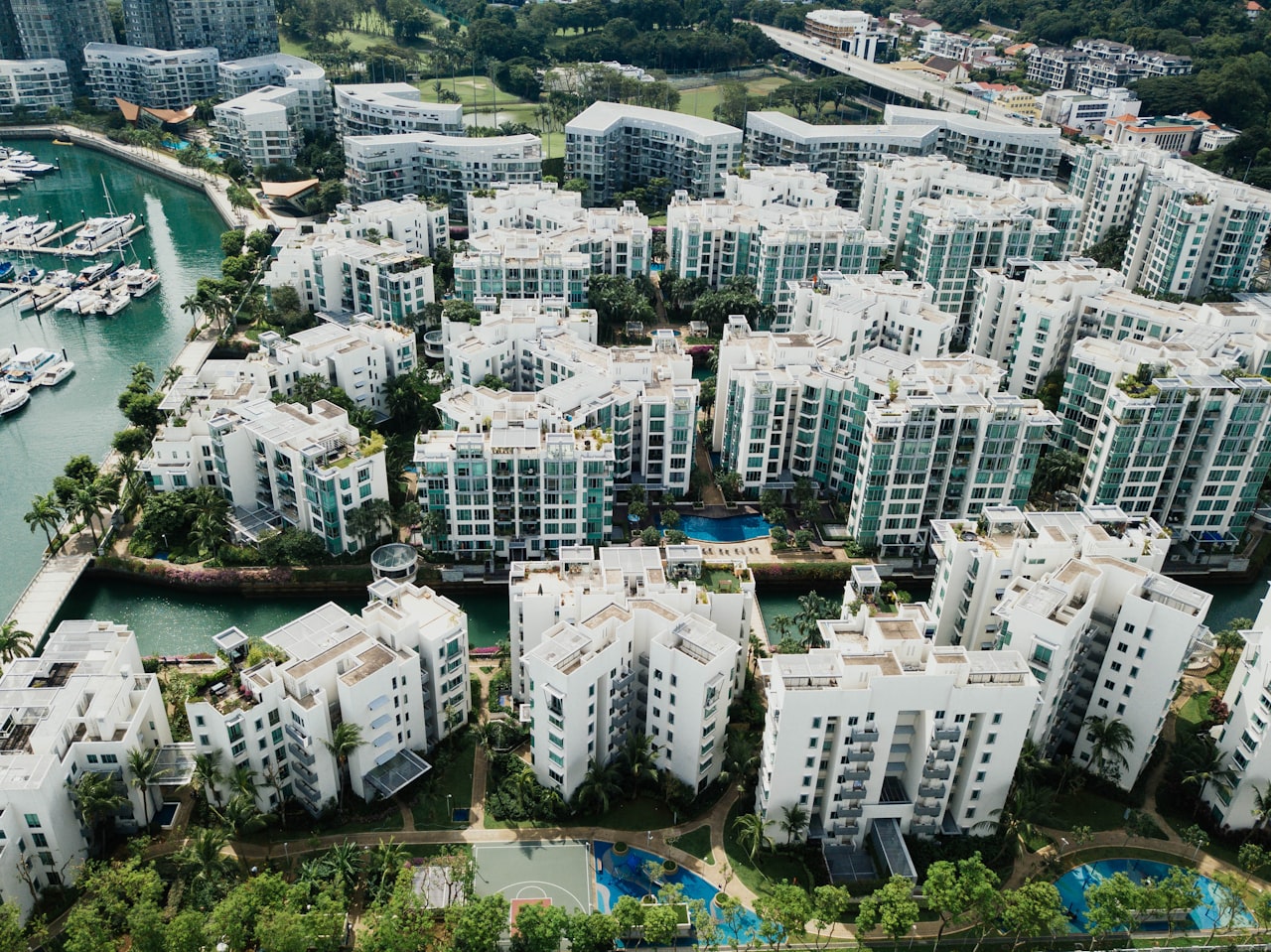
If you are exploring condos or apartment-style options in New Toronto, the market picture may work in your favor. TRREB’s Q4 2025 condo report said condo sales fell year over year while active listings rose, giving buyers more negotiating power and more choice.
That does not mean every condo is a bargain. It does mean condo buyers may have more room to preserve conditions, compare options carefully, and negotiate on price than buyers competing for the best detached homes near the lake or transit.
This can be helpful if you want a lower-maintenance option or are trying to enter the area at a more manageable price point. Since condo turnover in New Toronto can be thin in any given quarter, it is especially useful to compare each unit on its own merits rather than rely too heavily on broad averages.
How serious buyers should approach the market
The best buying strategy in New Toronto is to evaluate the neighbourhood block by block, not as one uniform market. That is because location, property type, renovation level, and transit access can change value quickly.
For a well-located detached or semi-detached home close to the lake or transit, you should be prepared to act faster. These properties are more likely to attract strong interest because they combine the neighbourhood’s two biggest lifestyle drivers: waterfront access and commuter convenience.
For homes that need work, you may have more room to negotiate and keep protective conditions in place. The same is often true for condos, where broader market conditions have given buyers more leverage.
Budget for commuter value, not cheap waterfront living
One of the clearest takeaways from the market data is that New Toronto is not really a “cheap waterfront” story. It is better understood as an older lakeside neighbourhood with meaningful commuter value.
That distinction matters because it can keep your expectations grounded. You are not just paying for a house. You are paying for a certain kind of west-end Toronto access, along with the benefits of being close to the waterfront and connected to Lake Shore Boulevard West and Long Branch GO.
When you frame the market that way, your budget decisions become clearer. You can decide whether your top priority is a detached home, a more approachable semi-detached option, a condo with negotiating room, or a property with renovation upside.
How to buy with more confidence
If you are planning to buy in New Toronto, it helps to go in with a short list of non-negotiables. Focus on the property type you can truly afford, the location features that matter most to you, and the level of renovation work you are willing to take on.
A simple framework can help:
- Decide whether you want detached, semi-detached, or condo living
- Prioritize either lake access, transit access, or interior value
- Review condition carefully, especially in older homes
- Compare homes by micro-location, not just neighbourhood name
- Keep flexibility in your strategy based on the property type
That kind of discipline can help you avoid overpaying for style alone. It can also help you spot the homes that offer the best balance of lifestyle, condition, and long-term value.
Buying in a neighbourhood like New Toronto is easier when you have local context, clear numbers, and a process built around your goals. If you are thinking about making a move on Toronto’s west lakeshore, the Larose Team can help you navigate the market with practical insight and concierge-level support.
FAQs
What types of homes are common in New Toronto?
- New Toronto is mostly a low-rise, house-focused neighbourhood, with single-detached homes making up 46% of housing stock and semi-detached homes making up 19%, according to the City of Toronto’s 2016 profile.
What is the average home price in New Toronto?
- TRREB’s Q4 2025 community report showed an average selling price of $853,421 in New Toronto, with detached homes averaging $988,000 and semi-detached homes averaging $688,000.
Is New Toronto a competitive market for buyers?
- It is relatively balanced but still competitive in the best locations, with Q4 2025 data showing 28 average days on market and a 96% average sale-to-list ratio.
Why do homes near the lake cost more in New Toronto?
- The City’s Lake Shore Boulevard West study highlights strong visual and physical connections to Lake Ontario, often within a 5 to 10 minute walk, which helps create a premium for homes closer to the waterfront.
Does transit matter when buying in New Toronto?
- Yes, especially for commuters, because the area is served by TTC routes and benefits from access to Long Branch GO Station, which connects with TTC and MiWay and supports regional travel.
Are older homes in New Toronto riskier to buy?
- Older homes are not automatically riskier, but buyers should review condition carefully because roughly two-thirds of dwellings were built before 1980, which can mean more variation in updates and renovation quality.