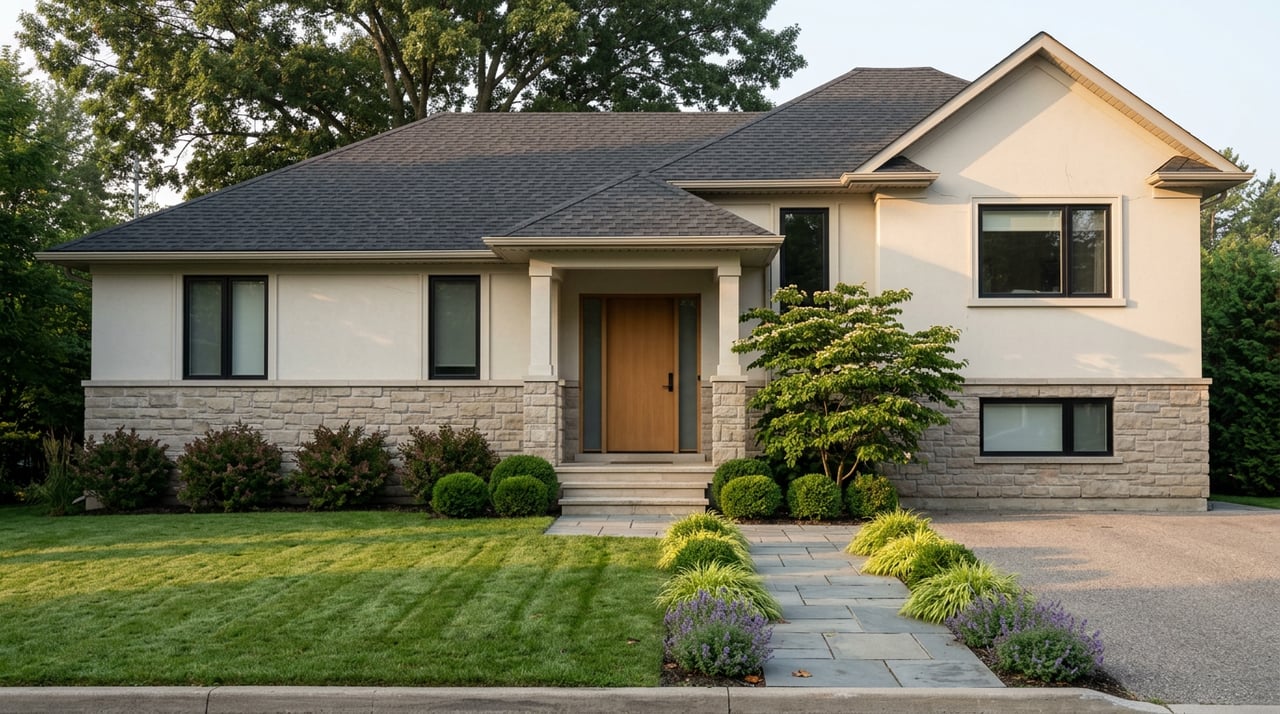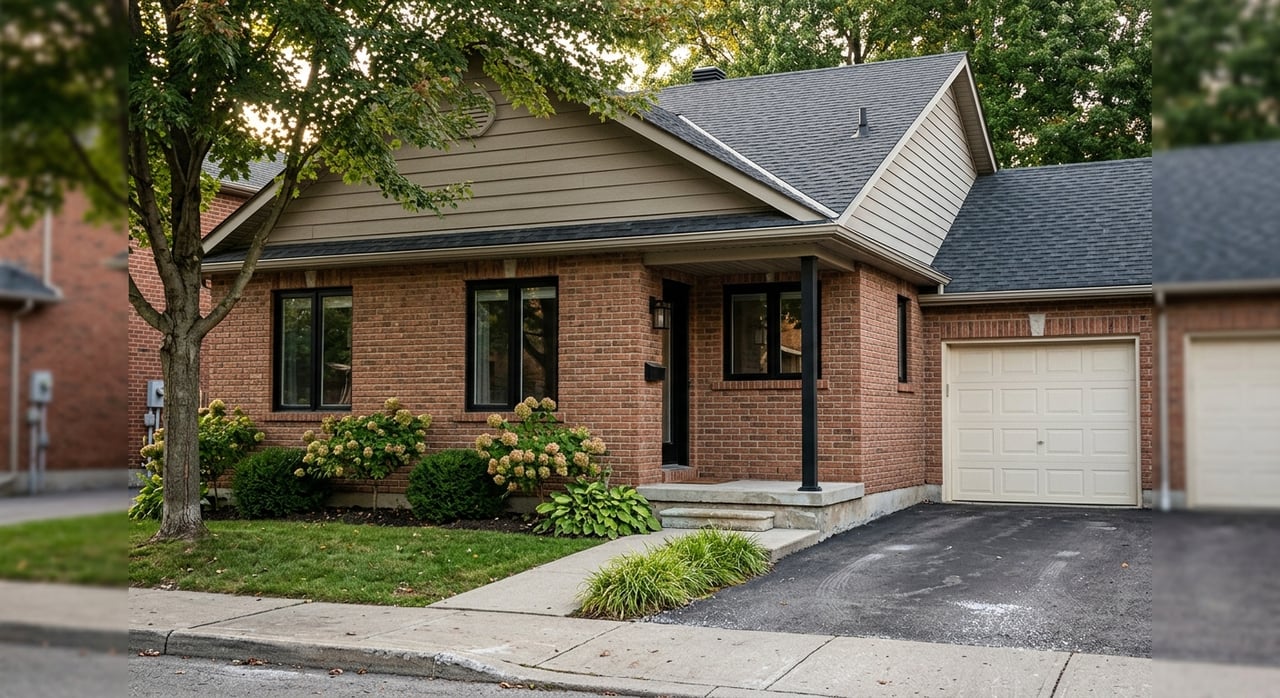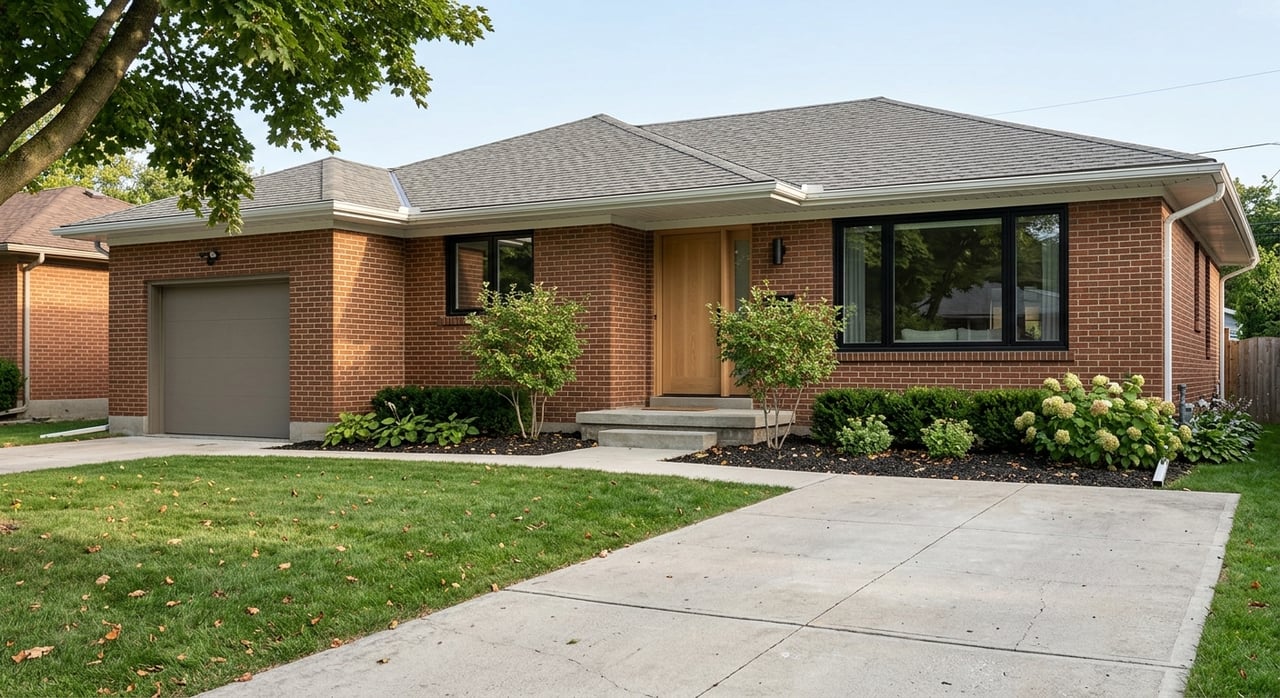
Wondering whether your Applewood bungalow is worth fixing up, expanding, replacing, or simply selling as-is? You are not alone. Many owners in this part of Mississauga are weighing the same question, especially as older homes sit on mature lots with real potential, but also real planning limits. The right answer depends on your house, your lot, your timeline, and how much disruption you are willing to take on. Let’s break it down.
Why Applewood Is Different
Applewood is not a one-size-fits-all neighbourhood. According to the Mississauga Official Plan, new development is expected to respect existing lotting, street patterns, height, scale, and building types within established neighbourhood areas.
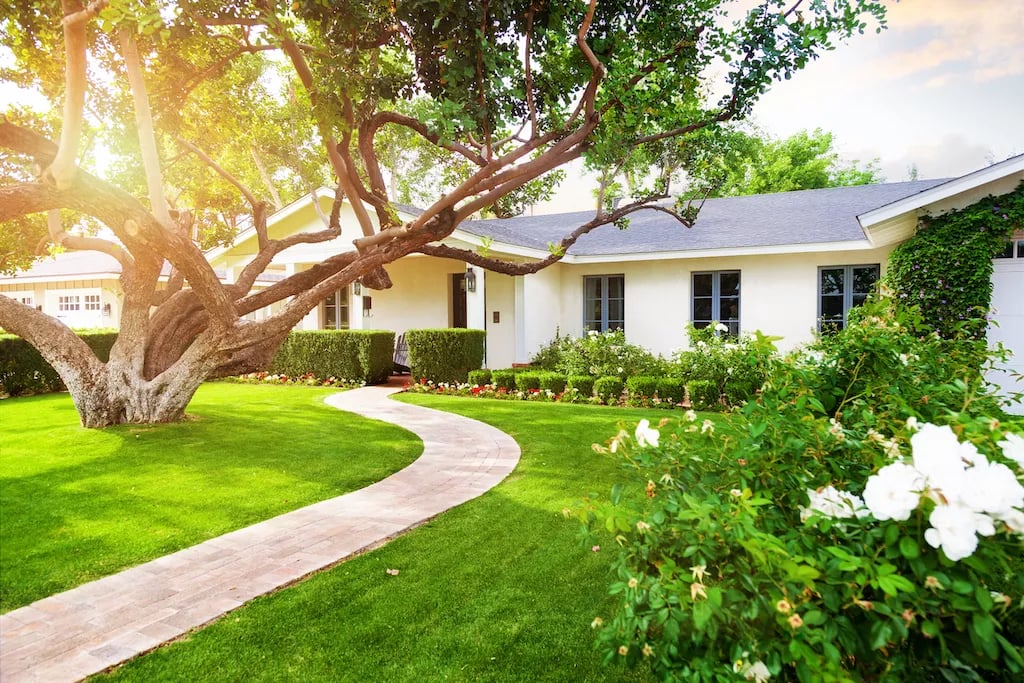
That matters if you own a bungalow on an interior street. In Applewood Acres, the City has identified defining features such as curbless roads, shallow ditches, similar lots, similar houses, remnant apple trees, and mature trees. In practical terms, your property value is tied to more than the home itself. The lot, the trees, and how any change fits the street can all affect what makes sense.
Start With Four Key Tests
Before you decide to renovate, rebuild, add on, or sell as-is, it helps to test four things.
House Condition
If your bungalow is structurally sound and the issues are mostly cosmetic or interior, renovation is often the least disruptive path. If the home is mechanically tired, functionally dated, or difficult to rework efficiently, a rebuild may deserve a closer look.
Lot Flexibility
Lot size and frontage can shape everything. Planning materials for part of Applewood Acres identified common residential frontage patterns ranging from about 15 to 19 metres, with some zoning pockets allowing narrower frontages depending on the housing type, as outlined in City planning records.
A wider or more flexible lot may offer room for an addition or replacement home. A tighter lot with mature trees, drainage constraints, or limited side-yard space may not.
Regulatory Burden
In Mississauga, many projects need permits. The City states that most renovation, construction, or demolition projects require a building permit, and even work that does not require a permit still has to comply with zoning.
You also need to factor in timing. The City’s current guidance says residential alteration permits average about 7 weeks, new detached or semi-detached home permits average about 13 weeks, and second-unit applications average about 10 weeks, based on current permit timelines and fees.
Your Time Horizon
If you want a faster, simpler decision with less emotional and financial exposure, selling as-is may be the right answer. If you plan to stay for years, a well-chosen renovation or addition may offer more daily value.
When Renovating Makes Sense
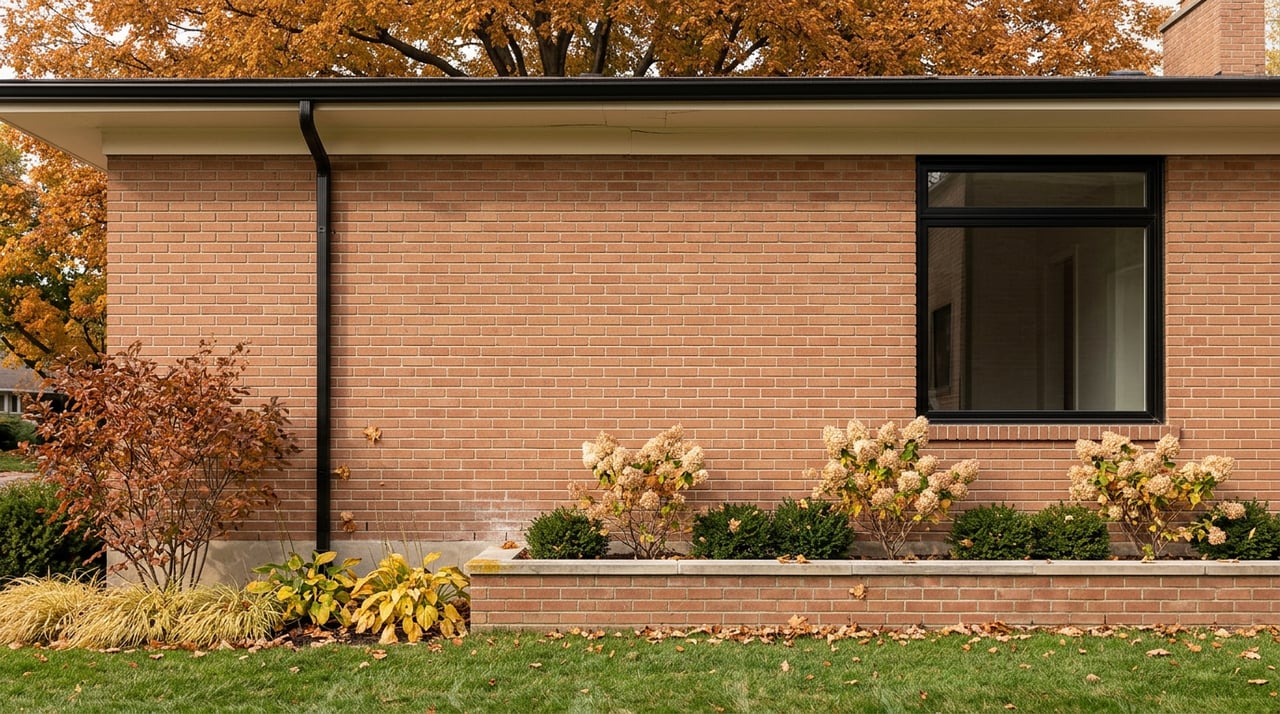
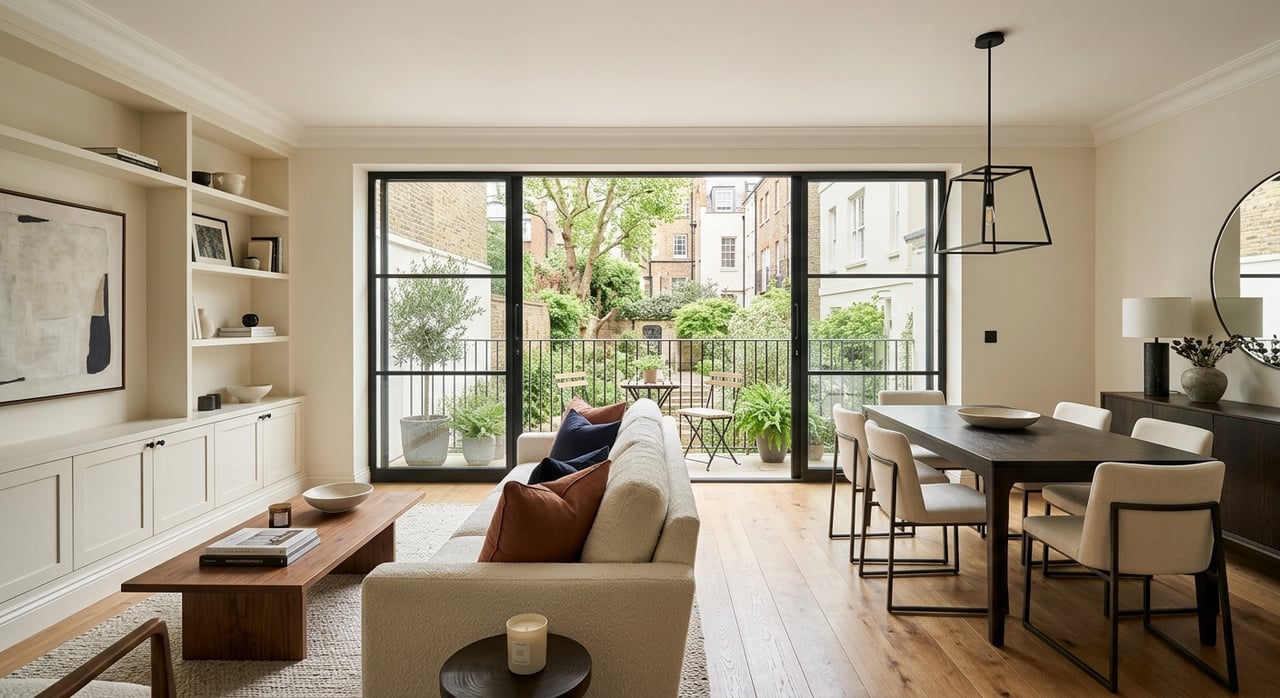
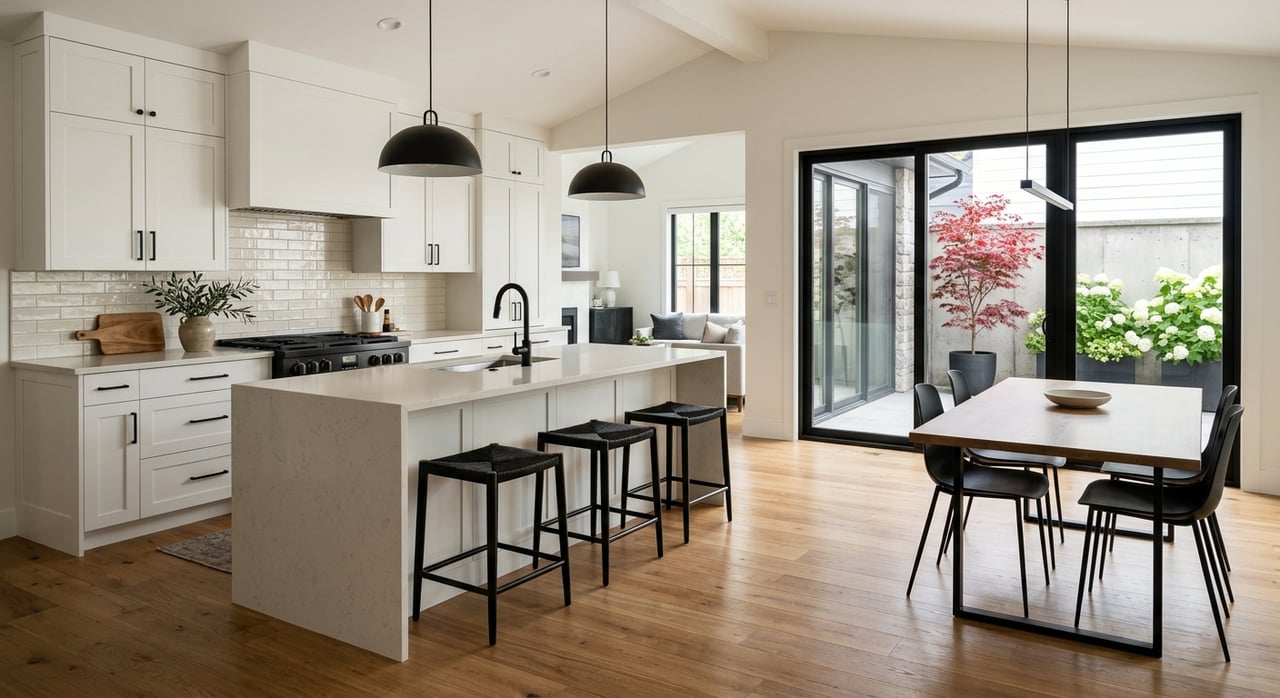
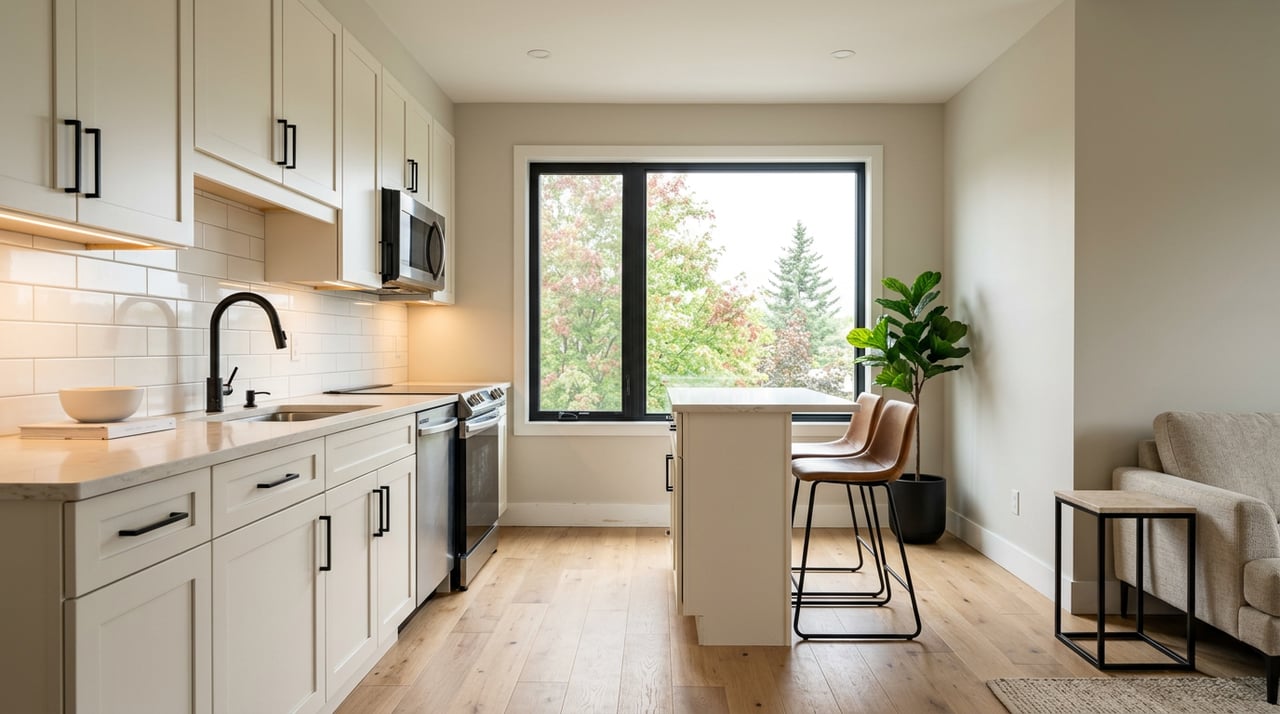
Renovation is usually the best fit when you like the location, the basic layout still works, and the home does not need a complete reinvention. This path can help you modernize finishes, improve function, and preserve the character of a familiar property.
For many Applewood owners, renovation is appealing because it avoids the larger cost and timeline of a teardown. It can also be a better match for streets where continuity matters and homes are expected to fit the established pattern.
Renovation Triggers to Watch
Even a relatively straightforward update can become a permit project. Mississauga notes that permits may be required for items such as additions, basement apartments, interior alterations, and changes of use under its building permit requirements.
If you are thinking about creating a secondary suite, there is another layer. The City requires the unit to comply with zoning, the Ontario Building Code, the Ontario Fire Code, and to be registered, as explained in its guidance on private trees and development-related requirements.
When an Addition Could Work
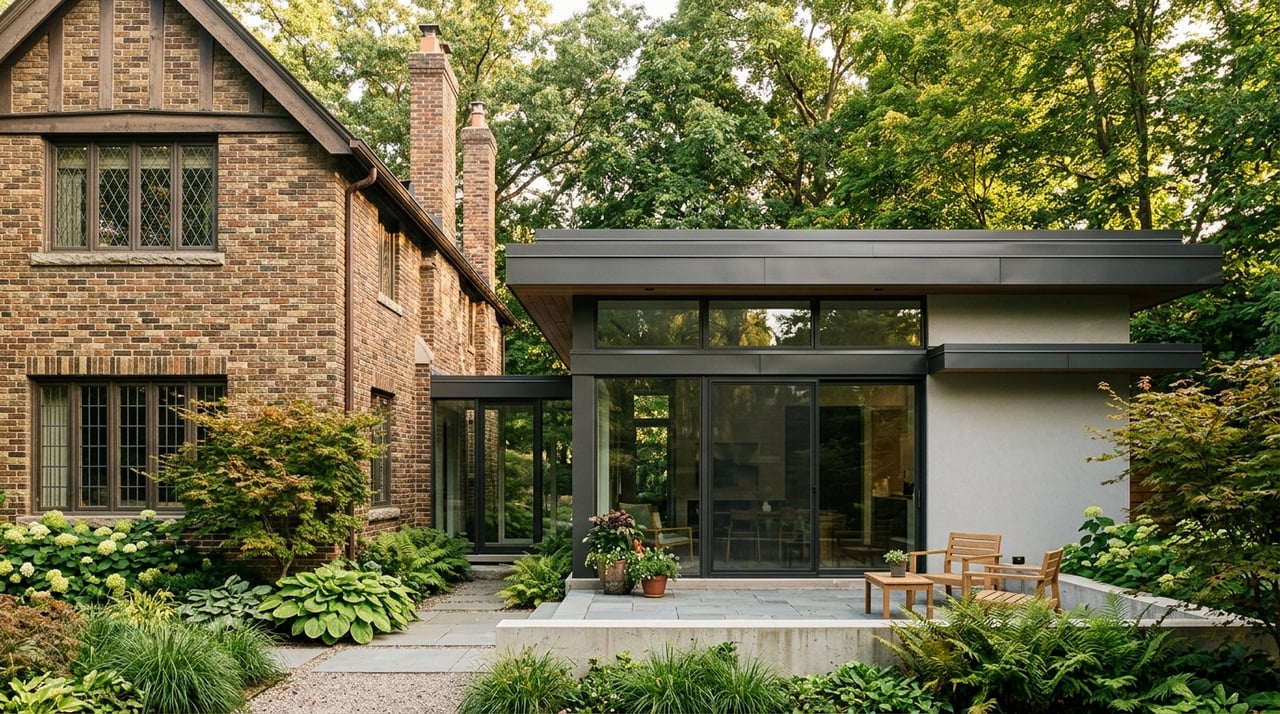
An addition can be a smart middle ground if you want more space but do not want to leave the lot or start from scratch. This option tends to work best when the lot has enough frontage and side-yard flexibility to absorb extra massing without creating zoning issues.
In Applewood, this is where details matter. Setbacks, drainage, easements, mature trees, and how the addition sits on the lot can all affect feasibility.
Lot Width Matters More Than You Think
Some Applewood lots are simply better candidates than others. If your property falls within a wider frontage pattern, you may have more room to add space while staying within zoning expectations and maintaining a comfortable fit on the street.
If your idea involves reconfiguring land, splitting a lot, or a more ambitious redevelopment approach, Mississauga’s land division and zoning rules become essential. The City notes that lot area and frontage compliance are central, and a zoning letter may be required in some cases.
When Rebuilding Is the Better Investment
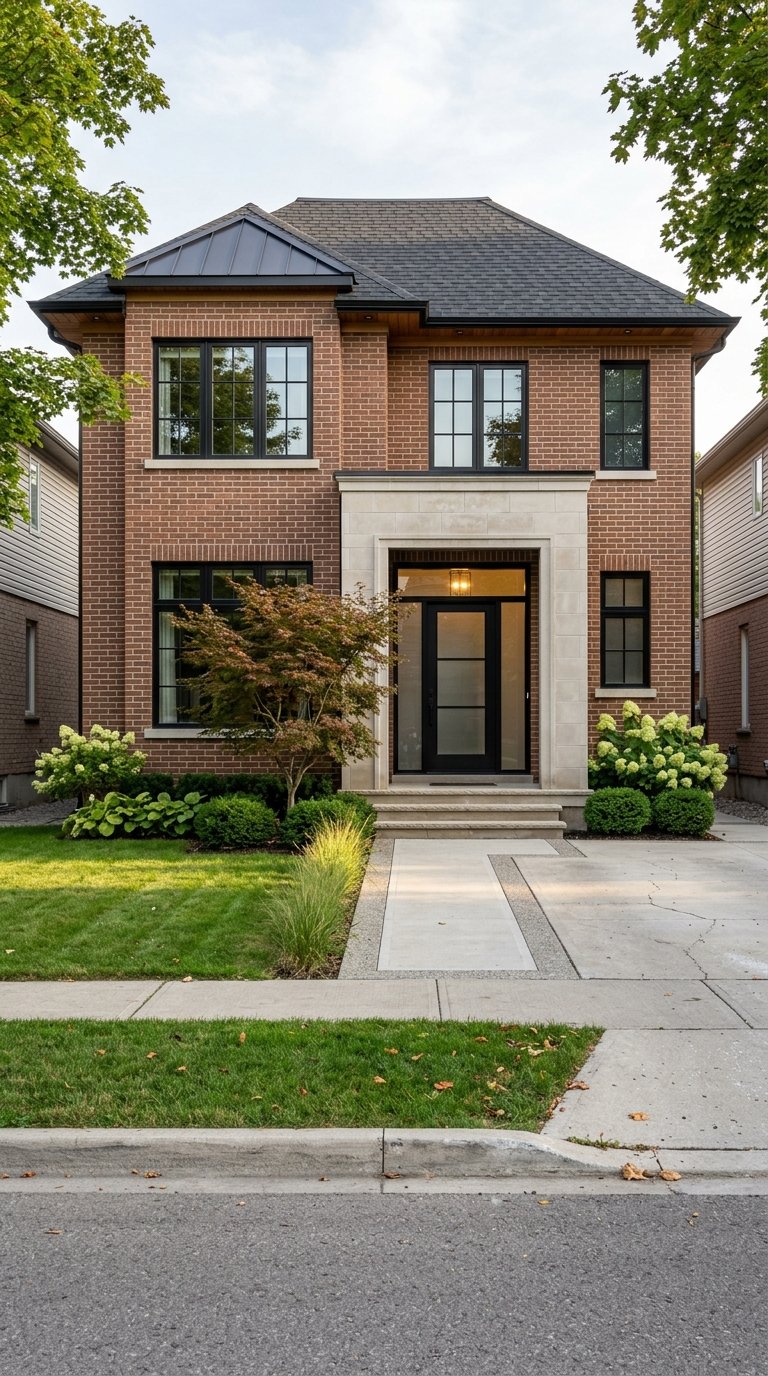
Sometimes the bungalow itself is the limiting factor. If the structure is too dated, too compromised, or too awkward to adapt, rebuilding can offer a cleaner long-term solution.
Applewood does allow infill and redevelopment, but compatibility still matters. The Mississauga Official Plan makes clear that new development should respect the surrounding context.
That means rebuilding is not just about what you want to build. It is also about whether the lot, scale, and streetscape can support it in a way that aligns with local policy.
Trees Can Change the Math
Mature trees are one of Applewood’s defining features, and they can influence both design and cost. Mississauga requires a private-tree permit to remove one or more trees that are 15 cm or greater in diameter, and arborist reports are required for development and construction projects unless the tree is dead.
For some owners, tree constraints are a manageable part of the process. For others, they are the reason a rebuild or large addition no longer pencils out.
When Selling As-Is Is the Smartest Move
Selling as-is is not giving up. In many cases, it is the most practical and profitable decision once you account for cost, time, and stress.
If the house needs substantial work, if permits feel overwhelming, or if you simply want certainty, an as-is sale can be the cleanest path forward. This can be especially true for long-time owners, downsizers, or families handling an estate situation.
What the Market Is Saying
Recent TRREB community reports for Applewood showed average selling prices around $847,687 in Q1 2025 and $893,750 in Q4 2025, with average days on market ranging from 33 to 40 and sale-to-list ratios from 99% to 97%.
That points to real buyer demand, but also to a market where pricing discipline matters. On a broader level, TRREB reported that GTA average prices were down year over year in March 2026 and that buyers had meaningful negotiating power. For sellers, that means expensive pre-sale projects should be tied to a clear value gap, not hope.
A Simple Applewood Decision Framework
If you are trying to choose between the four paths, this quick framework can help.
Renovate if...
- The structure is sound
- The layout mostly works
- The improvements are mainly interior or moderate in scope
- You want to stay and enjoy the upgrades
Add On if...
- The lot has enough frontage and usable space
- Trees, setbacks, and drainage do not block the design
- You need more room but want to keep the existing home
- The added value justifies the timeline and cost
Rebuild if...
- The existing bungalow is too constrained or too dated to adapt well
- The lot and zoning support a replacement home
- You are prepared for a longer permit and construction timeline
- The final result would significantly outperform the current house
Sell As-Is if...
- The work required is extensive or uncertain
- You want speed, simplicity, or less financial risk
- You do not want to manage permits, contractors, and carrying costs
- The property still has appeal based on lot, location, and future potential
Interior Streets vs Corridor Locations
One helpful way to think about Applewood is to separate interior low-rise streets from larger-lot or corridor-adjacent situations. On interior streets, preservation-sensitive conditions often make thoughtful renovation the more natural fit.
Closer to major corridors such as Burnhamthorpe, Dixie, Cawthra, Dundas East, Bloor, and Tomken, the planning context may be different. The Official Plan directs more intensive future mixed-use growth toward those areas, which can change how redevelopment potential is viewed over time.
The Real Question: What Is the Best Return for You?
The best choice is not always the one with the highest theoretical resale value. It is the one that fits your lot, your budget, your tolerance for disruption, and your next chapter.
A smart decision usually comes from comparing after-project value against all-in cost, including permits, design work, tree-related requirements, possible fees or deposits, and the carrying cost of time. Just as important, you should weigh the lifestyle side. Will the finished result improve your day-to-day life enough to justify the process?
If you are unsure where your Applewood bungalow fits, the right guidance can save you time, money, and second-guessing. The Larose Team can help you evaluate your home’s market position, renovation upside, and as-is sale potential so you can move forward with clarity.
FAQs
Should you renovate an older bungalow in Applewood or sell it as-is?
- It depends on the home’s condition, the lot’s flexibility, permit requirements, and your timeline. If the work is mostly cosmetic and you plan to stay, renovation may make sense. If the project is large and uncertain, selling as-is may be the cleaner option.
Do Applewood home additions need permits in Mississauga?
- Yes, many additions and structural changes require permits, and all work must comply with zoning even when a permit is not required. Permit timelines and completeness of the application can affect how long the process takes.
Can you rebuild a bungalow in Applewood, Mississauga?
- In many cases, yes, but the replacement home must fit local planning and zoning rules. Compatibility with the surrounding lot pattern, streetscape, and scale is an important part of the review.
Do mature trees affect redevelopment plans in Applewood?
- Yes. Mature trees can affect site layout, design, cost, and timing. Mississauga requires permits to remove certain private trees and often requires arborist reports for development and construction projects.
Is there still buyer demand for Applewood homes sold as-is?
- Recent TRREB data suggests there is still buyer demand in Applewood, but pricing strategy matters. In a market where buyers have negotiating power, sellers should be realistic about condition and value.
How do you decide if your Applewood lot can support an addition or rebuild?
- Start by reviewing frontage, lot area, side-yard space, tree conditions, drainage, easements, and zoning compliance. Those factors often determine whether an addition or rebuild is realistic before design plans go very far.