Buying your first condo in Mississauga’s City Centre can feel exciting and a little overwhelming. You want value, transit access, and a building that holds up over time. You also want to avoid surprises with fees, reserves, and closing costs. In this guide, you’ll learn what makes City Centre a smart entry point, what typical buildings and fees look like, how to structure a strong offer, and what to watch for as a buyer or investor. Let’s dive in.
Why City Centre works for first-time buyers
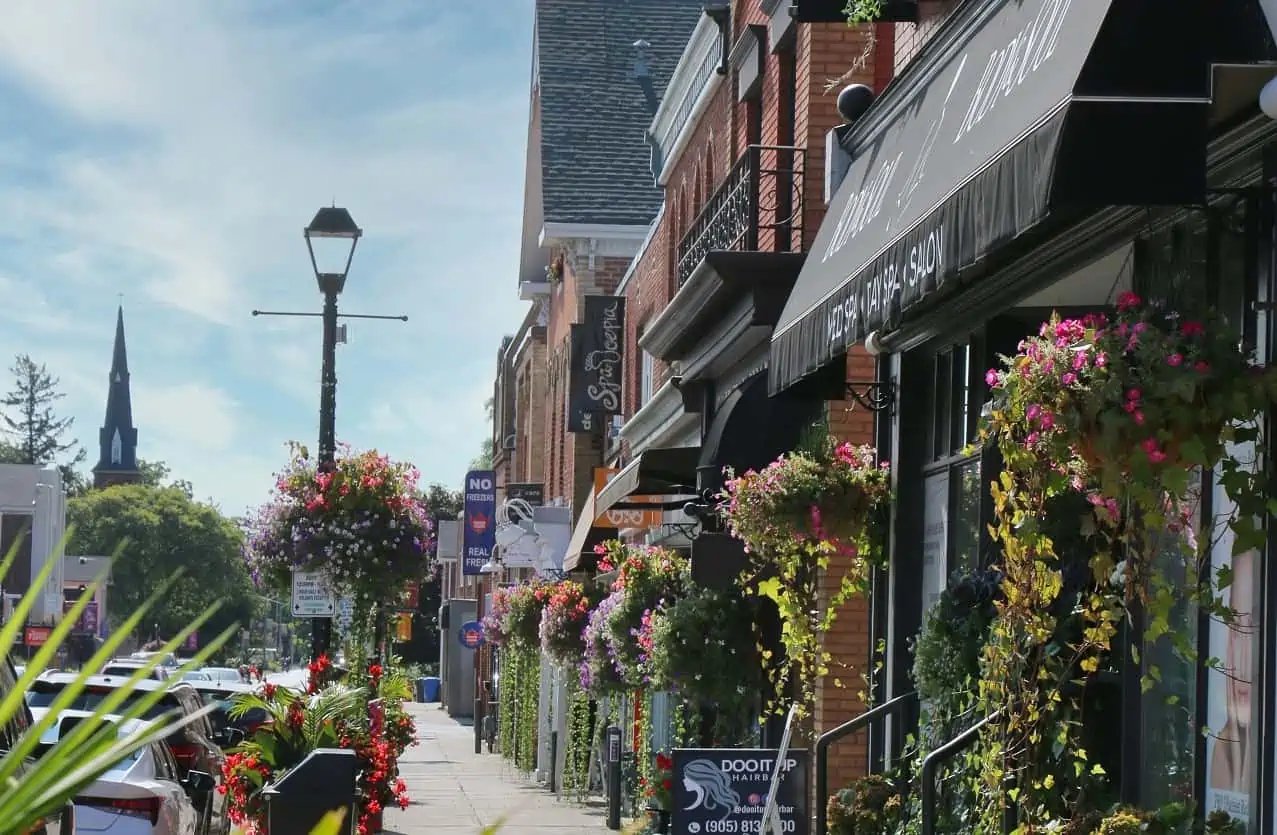
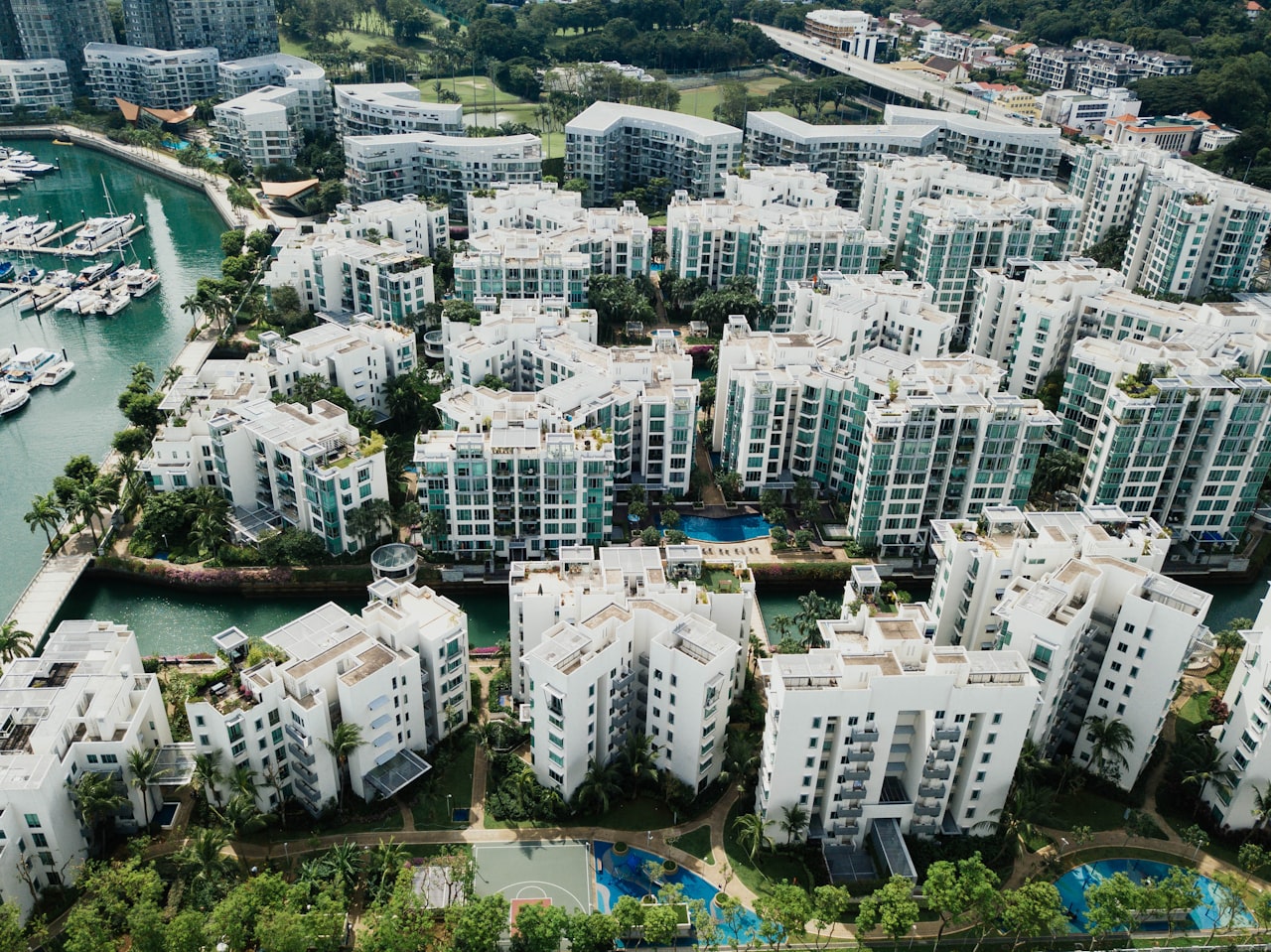
City Centre is the Square One core. You’re steps to major shopping, restaurants, Celebration Square events, the Living Arts Centre, and Sheridan College’s Hazel McCallion Campus. The area is designed for walkability and everyday convenience.
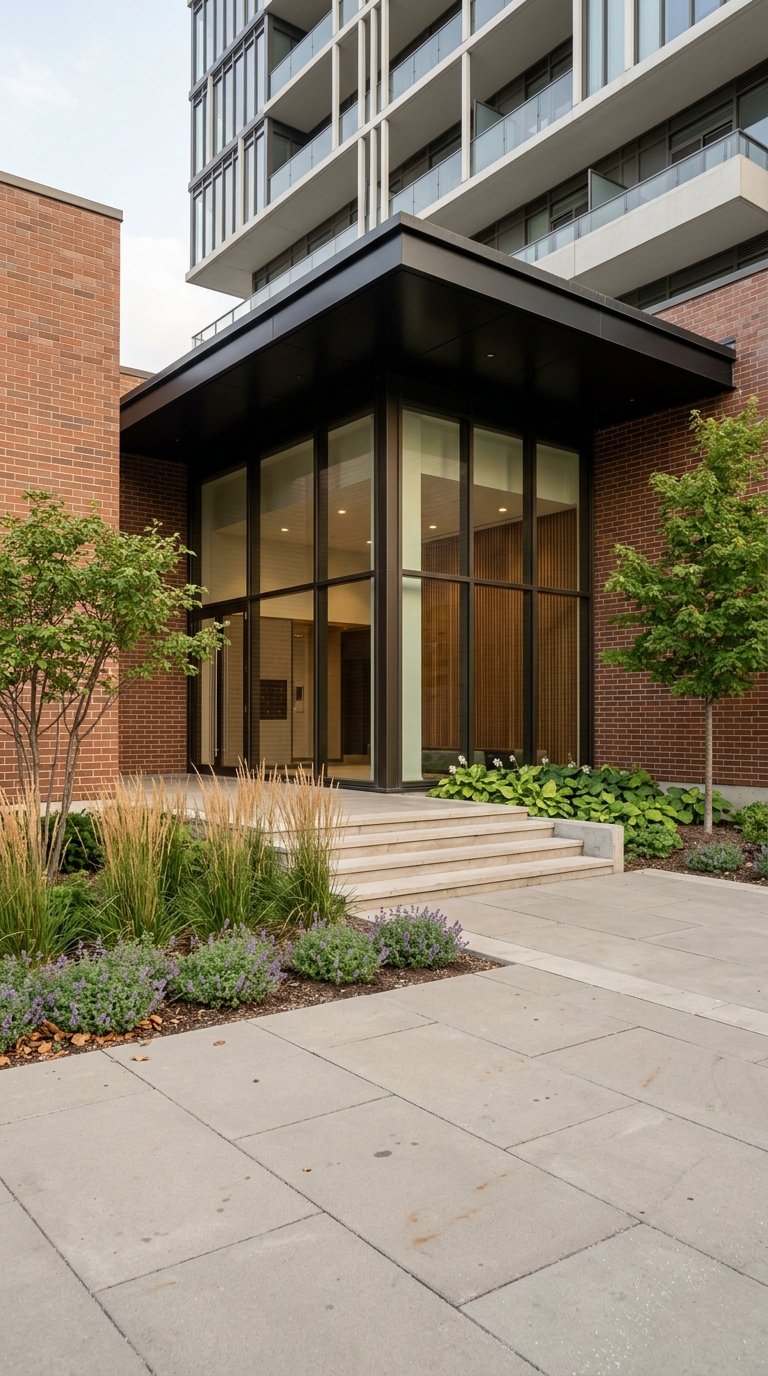
If you value transit and a condo lifestyle with full amenities, you’ll find many options here. The tower cluster offers a range of layouts from efficient studios and one-bedrooms to larger family-sized suites and penthouses.
Current prices and market tone
City-wide Mississauga condo prices in early 2026 are well below the 2021–22 peak. Entry resale units in City Centre often appear in the roughly 480,000 to 650,000 dollar band depending on size, age, parking, and amenities. City-wide medians commonly land in the low-to-mid 500,000s.
The condo segment has higher inventory than detached and townhomes right now, and days-on-market are longer than during the pandemic peak. That means you generally have more negotiating room, and sellers are more open to standard conditions like financing, inspection, and status-certificate review.
What you get in City Centre towers
You’ll see three broad building eras in the core:
- Classic 1990s podium-and-tower condos with larger floor plans and traditional finishes.
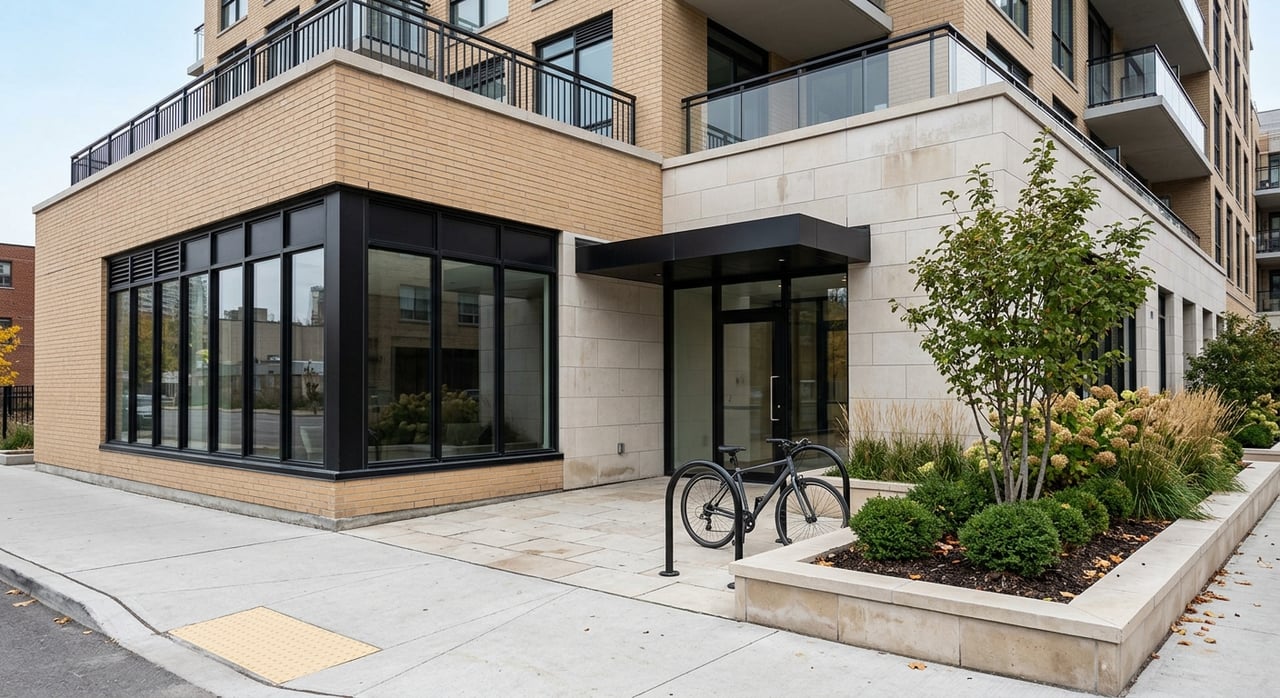
- Large master-planned communities from the mid‑2010s onward, with multiple towers, retail podiums, and upgraded public spaces.
- Newer boutique mid-rises and podium suites that focus on efficient layouts and modern design.
Typical amenities in newer complexes include 24/7 concierge, fitness and yoga studios, party and dining lounges, co-working areas, screening rooms, pools or sundecks, kids’ play rooms, rooftop terraces with BBQs, and guest suites. More amenities usually mean higher monthly fees, so balance lifestyle wants with your budget.
Maintenance fees explained
A practical budget rule: many GTA condos fall in a range of about 0.50 to 1.00 dollars per square foot per month, with many City Centre towers clustering around 0.60 to 0.85 dollars per square foot. Always confirm the exact amount and inclusions for the building you’re considering.
What fees commonly cover:
- Common area upkeep and cleaning
- Building insurance on common elements
- Security and concierge
- Utilities for common areas, and sometimes in‑suite heat or water
- Property management, elevator service, snow and landscape care
- Regular contributions to the reserve fund
Property taxes and your in‑suite electricity and internet are usually separate unless stated. Review the listing, the status certificate, and the building’s information sheet to confirm what is included.
For a quick primer on fee ranges, see the breakdown of average GTA condo fees by square foot from industry sources such as BrokerLink.
Reserve fund health and the status certificate
A condo’s long-term health lives in its governance and reserves. In Ontario, condominium corporations must conduct regular reserve fund studies at set intervals to plan for major repairs and replacements. Check the most recent study and the current reserve balance to gauge building health.
For resales, the status certificate is your must-have document. It includes the condo’s declaration and bylaws, current budget and reserve information, any special assessments, the unit’s payment status, insurance details, and any ongoing legal actions. The corporation must provide the certificate within 10 calendar days of a written request, and it can charge up to 100 dollars for the standard service. Review it with your lawyer before waiving conditions.
Key things to look for:
- Adequate reserve fund relative to likely replacement costs
- Clear audited financials with no repeated large fee hikes
- No pending special assessments that could hit your budget
- No recurring litigation or major unresolved building issues
Transit and local convenience
City Centre revolves around the Mississauga City Centre Transit Terminal, a major hub for MiWay service and regional GO buses. This makes commuting across Peel and into Toronto straightforward without a car.
The Hazel McCallion (Hurontario) LRT is under construction along Hurontario Street and will run through City Centre. Public reporting notes significant progress, but the project has seen delays and no single firm opening date is posted yet. Keep an eye on official updates before making plans that assume an exact launch date.
On foot, you have everyday access to Square One Shopping Centre, public events at Celebration Square, civic services, dining, and fitness options. These anchors help support both owner-occupier convenience and steady rental interest.
How City Centre compares nearby
- City Centre: Highest high-rise density in Mississauga, strong walkability, and amenity-rich towers. Best if you want transit, retail, and events on your doorstep.
- Port Credit: Waterfront village character with a smaller-scale condo stock and a premium for harbour and lake views. Per-unit prices and rents often run higher in prime waterfront locations.
- Humber Bay Shores (Etobicoke): Toronto-side waterfront with skyline and lake views, and per‑square‑foot pricing that often reflects closer proximity to downtown Toronto.
Buyer checklist for City Centre condos
Use this quick list to move confidently from search to firm deal:
- Set your budget and pre-approval
- Get a full mortgage pre-approval and stress-test with a 0.25 to 0.50 percentage point rate buffer.
- Map your must-haves vs nice-to-haves
- Prioritize layout, parking, outdoor space, transit access, and specific amenities.
- Shortlist buildings with strong fundamentals
- Ask your agent for per-building fee trends, recent sales, and any known capital projects.
- Review the status certificate early
- Order it as soon as you are serious about a unit. Have your lawyer review reserves, insurance, budgets, and any pending assessments or litigation.
- Consider an inspection
- A condo inspection focuses on in‑suite systems and finishes. It can be helpful in older buildings or if recent renovations were done.
- Use conditions wisely
- Common conditions include financing, inspection, lawyer review, and status certificate review. In today’s condo market, sellers are often open to reasonable timelines.
- Plan for closing costs
- Budget for land transfer tax, legal fees, title insurance, adjustments, and moving.
- Think resale and rentability
- Compare fees, location within the node, transit proximity, and potential for future value support.
Offer conditions and timing
Typical GTA condo offers include conditions for financing, home inspection, lawyer review, and status certificate review. The condo corporation has 10 days to deliver the status certificate after a written request. Buyers and sellers then negotiate condition-removal timelines. In a balanced-to-soft condo market, 3 to 10 business days per condition is common. Coordinate your timeline with your lender and lawyer so you can review and remove conditions with confidence.
Pre-construction vs resale
Pre-construction and resale purchases work differently. Here are the key contrasts:
- Deposits: New builds usually require staged deposits that commonly total 10 to 20 percent before occupancy. Funds are typically held in trust under Ontario regulations. Always review the schedule with your lawyer.
- Interim occupancy: You may move in before the building is registered. During this phase, you pay an interim occupancy fee. Title transfers only after registration and final closing.
- Agreements: Developer Agreements of Purchase and Sale are complex and include clauses on assignments, closing adjustments, and occupancy obligations. Get legal advice before signing.
Resale purchases offer immediate ownership at closing, full visibility into the building’s operations, and clearer timelines.
Investor notes: rents, vacancy, and STR rules
City Centre typically sees reliable rental demand driven by transit access, retail jobs, and nearby education uses. The Toronto CMA, which includes Peel and Mississauga, remained tight relative to national averages through 2023–24, though vacancy softened modestly as new supply leased up. Always check the most current CMHC tables and live listings when running rent and yield estimates.
Short-term accommodation rules matter. Mississauga requires a short-term rental licence and generally limits STRs to a host’s principal residence. If you are buying a condo strictly as an investment, do not assume you can operate a non‑owner-occupied Airbnb. Confirm current city rules and building bylaws before planning any STR strategy.
Investor math checklist:
- Factor in condo fees, property taxes, insurance, utilities, parking and locker income or costs
- Include a vacancy allowance and any management fees
- Review the building’s reserve fund and history of special assessments
- Confirm bylaw rules on rentals, pets, lockers, and parking
Red flags to watch
- Repeated fee increases above typical inflation without a clear capital plan
- A small reserve fund relative to the building’s age and upcoming replacements
- Pending or recent special assessments
- Frequent board turnover, persistent litigation, or major remedial projects
- Pre-con marketing that promises unusually low fees or unrealistic timelines
If any of these appear in the status package or marketing, ask direct questions and review with your lawyer before you commit.
Your next step
City Centre can be a smart, walkable entry point into homeownership with a range of buildings to fit different budgets. With the right due diligence, you can secure a condo that supports your lifestyle today and your resale or rental goals tomorrow. If you want tailored guidance, local building insights, and help structuring a confident offer, connect with the Larose Team. We are here to help you buy with clarity and ease.
FAQs
What do typical Mississauga City Centre condo prices look like in 2026?
- Entry resale units often show up around 480,000 to 650,000 dollars, depending on size, age, parking, and amenities; always verify current comps before offering.
How much should I budget for monthly condo fees?
- A common GTA range is about 0.50 to 1.00 dollars per square foot per month, with many City Centre towers around 0.60 to 0.85 dollars per square foot; confirm exact amounts and inclusions from the building’s documents.
What is a condo status certificate and why is it important?
- It is a legal package with the corporation’s bylaws, budget, reserve fund details, insurance, arrears, and legal actions; the corporation must provide it within 10 days of request, and you should have your lawyer review it before waiving conditions.
Will the Hazel McCallion LRT boost values in City Centre?
- Transit access tends to support long-term demand, but the LRT has experienced delays with no single confirmed opening date; focus on fundamentals and treat LRT timing as a potential future upside.
Can I use a City Centre condo for short-term rentals like Airbnb?
- Mississauga requires a licence and generally restricts STRs to a host’s principal residence; many condos also prohibit STRs in their bylaws, so confirm rules before you buy.
Should I buy pre-construction or resale for my first condo?
- Resale offers immediate ownership and full building transparency, while pre-construction requires staged deposits and may include an interim occupancy period; choose based on your timeline, budget, and risk tolerance.
References and helpful resources cited in this guide:
- Status certificate basics: Condominium Authority of Ontario
- Ontario Condominium Act statute
- Average GTA maintenance fee ranges: BrokerLink
- What condo fees cover: ICON Property Management
- Mississauga City Centre Transit Terminal overview: Wikipedia
- Hazel McCallion LRT construction progress: Insauga
- Rental market context for Toronto CMA and Peel: CMHC Fall 2024
- Short-term rental enforcement in Mississauga: City of Mississauga News
Condominium Authority of Ontario — Status certificate
Average GTA condo maintenance fee ranges
What condo maintenance fees usually cover
Mississauga City Centre Transit Terminal
Hazel McCallion LRT construction update