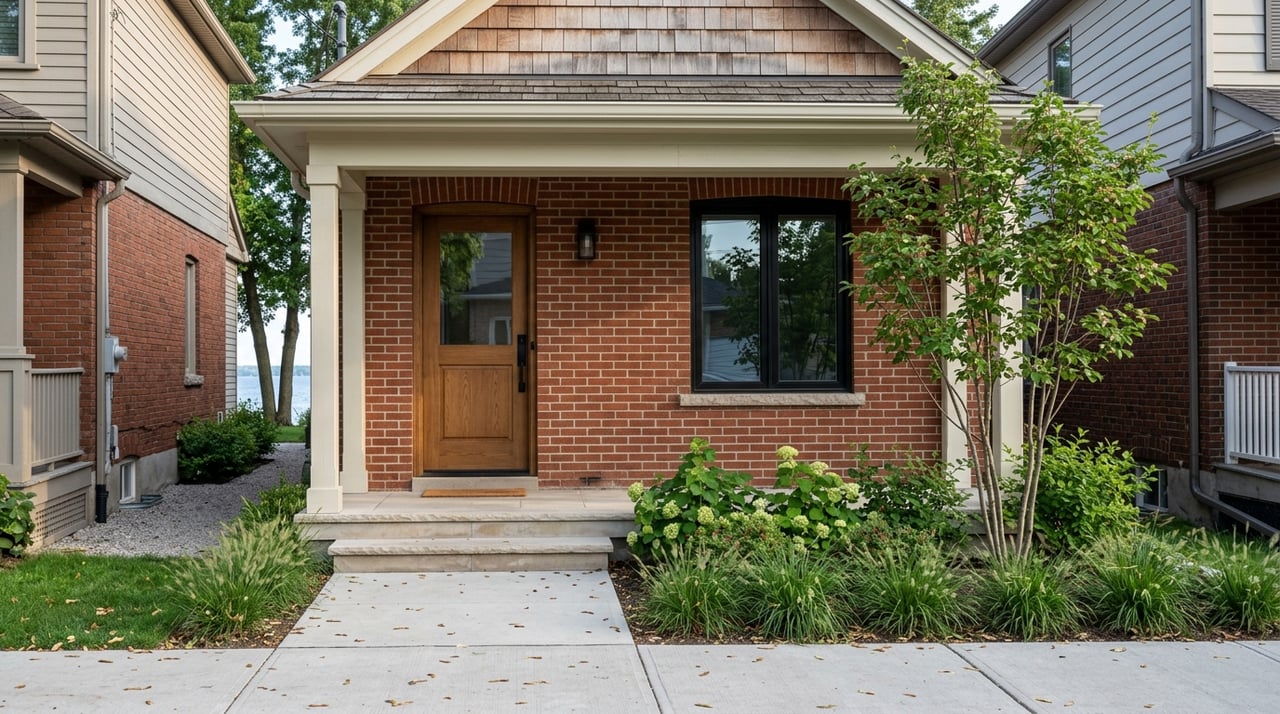
If you want waterfront living without the price point or pace of some better-known shoreline communities, New Toronto deserves a closer look. This west-end Toronto neighbourhood blends lake access, everyday convenience, and a housing mix that still feels more grounded than many waterfront markets nearby. In this guide, you’ll get a clear look at New Toronto homes, parks, transit, and lifestyle so you can decide whether it fits the way you want to live. Let’s dive in.
Why New Toronto stands out
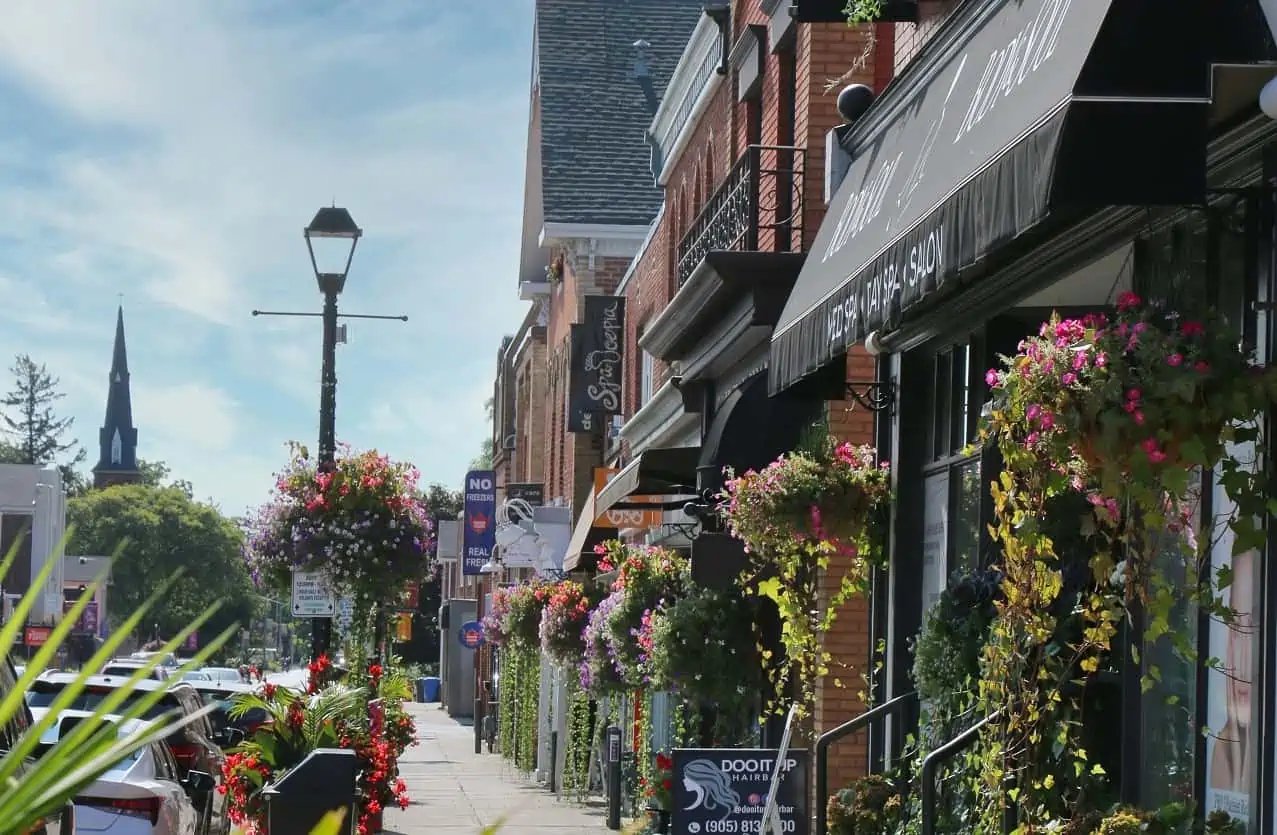
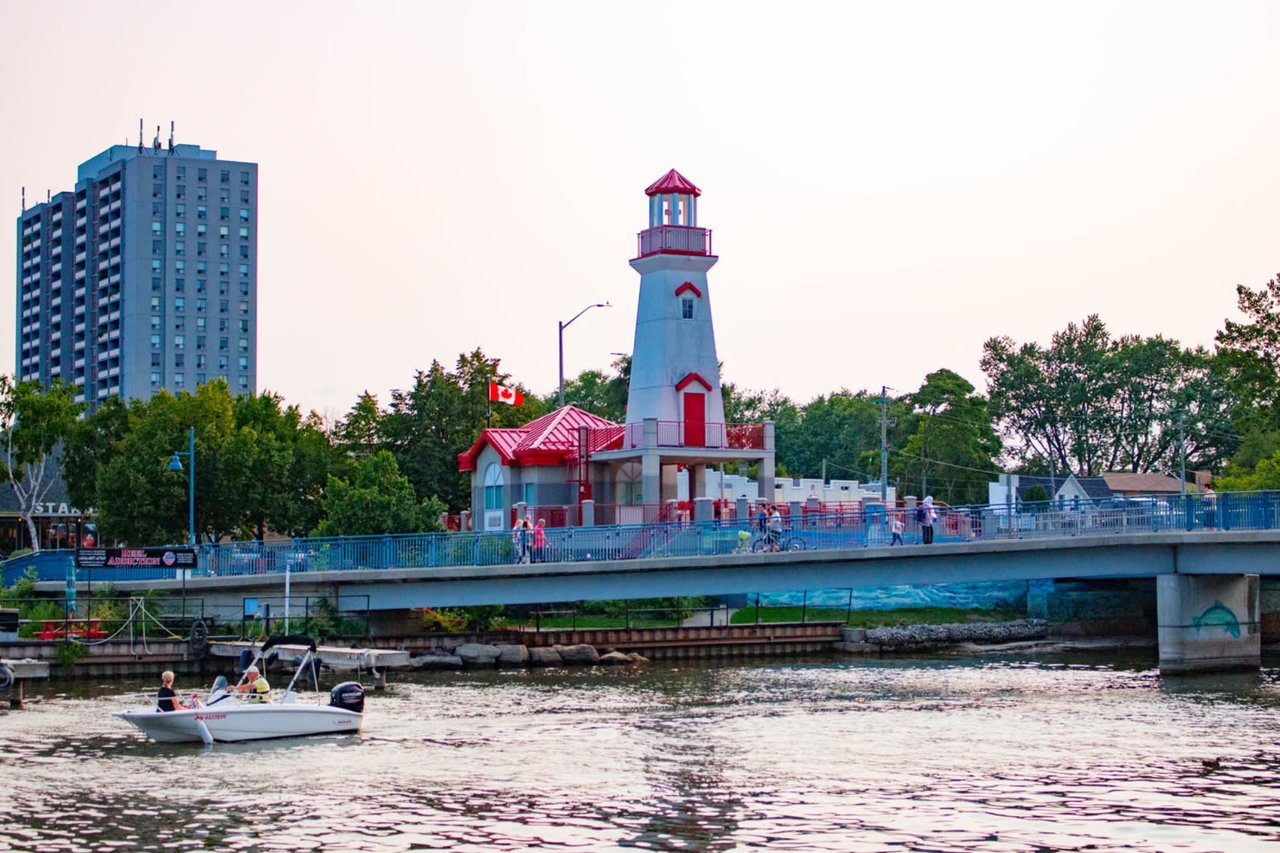
New Toronto sits along Toronto’s west-end waterfront, anchored by Lakeshore Boulevard West and the Lakeshore Village BIA. According to the BIA listing, the stretch from Dwight Avenue to Twelfth Street includes more than 150 businesses, from cafes and restaurants to wellness providers and local services.
That mix gives the neighbourhood an everyday rhythm that goes beyond scenic views. You get a main-street feel, practical amenities, and a waterfront setting that supports both active living and day-to-day errands.
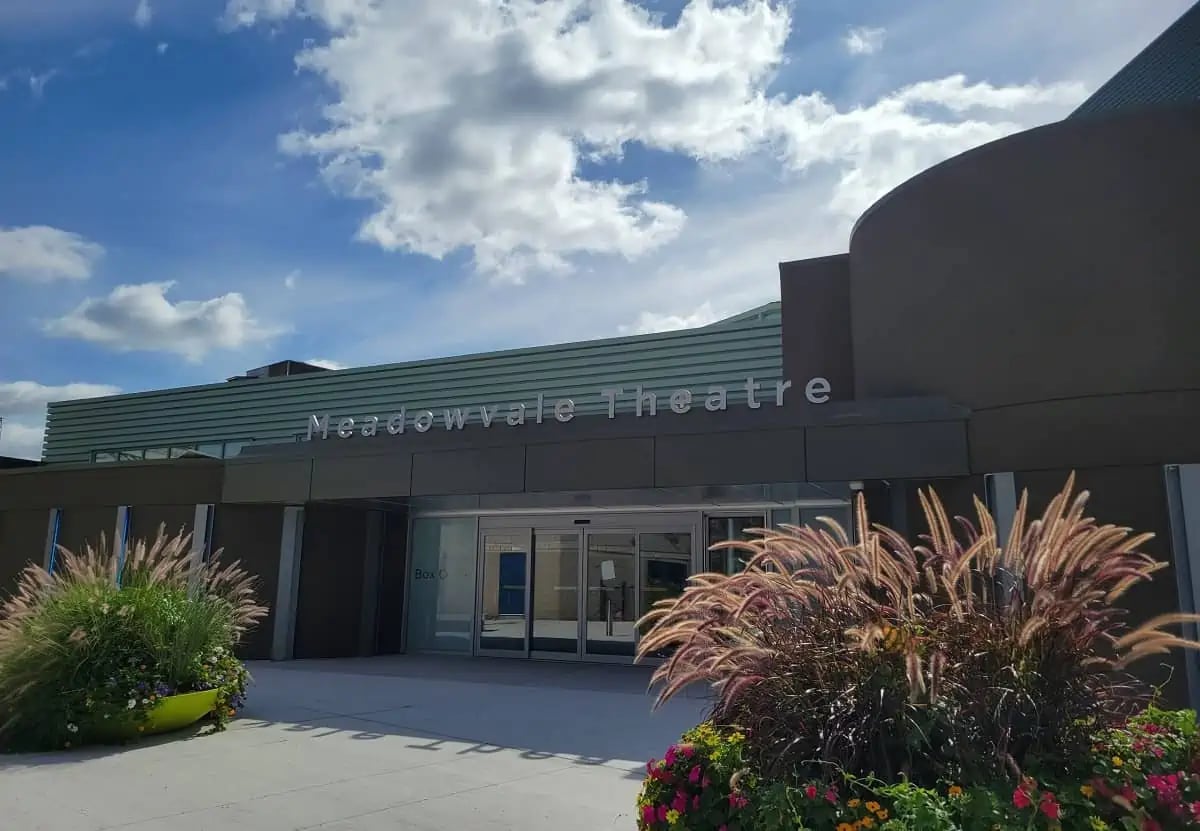
Another part of New Toronto’s identity is Assembly Hall, located at 1 Colonel Samuel Smith Park Drive. The City describes it as a community arts venue with classes and performances, which adds a civic and cultural layer to the area.
Waterfront parks shape daily life
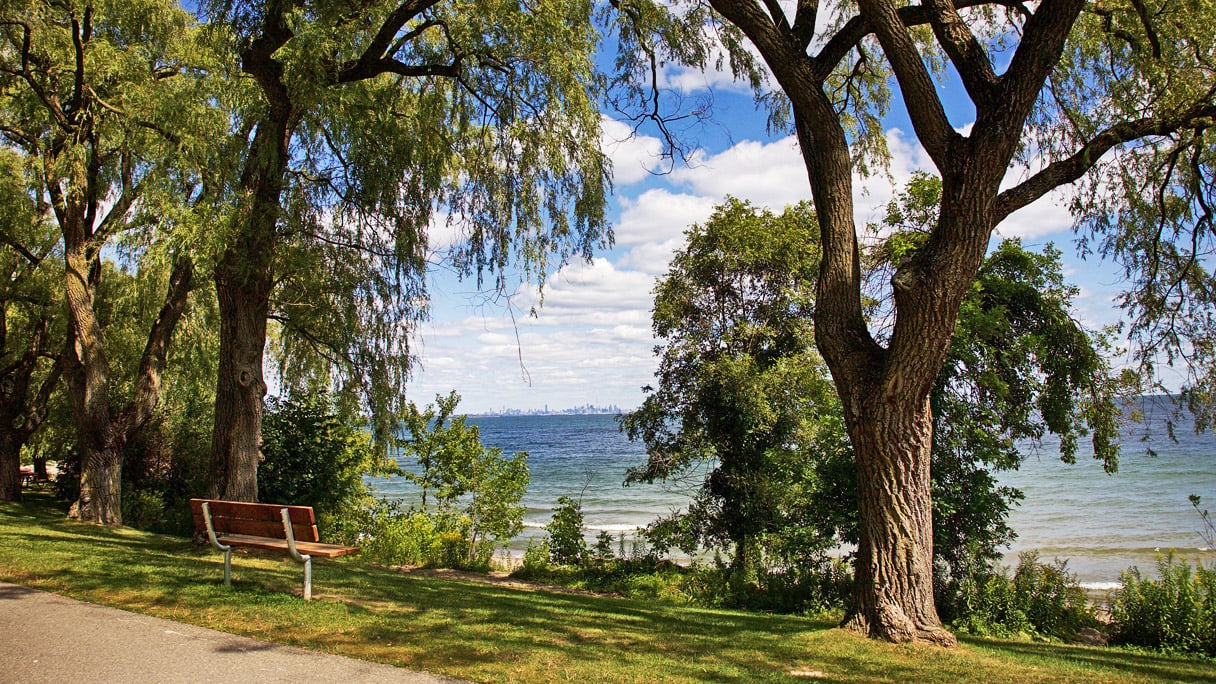
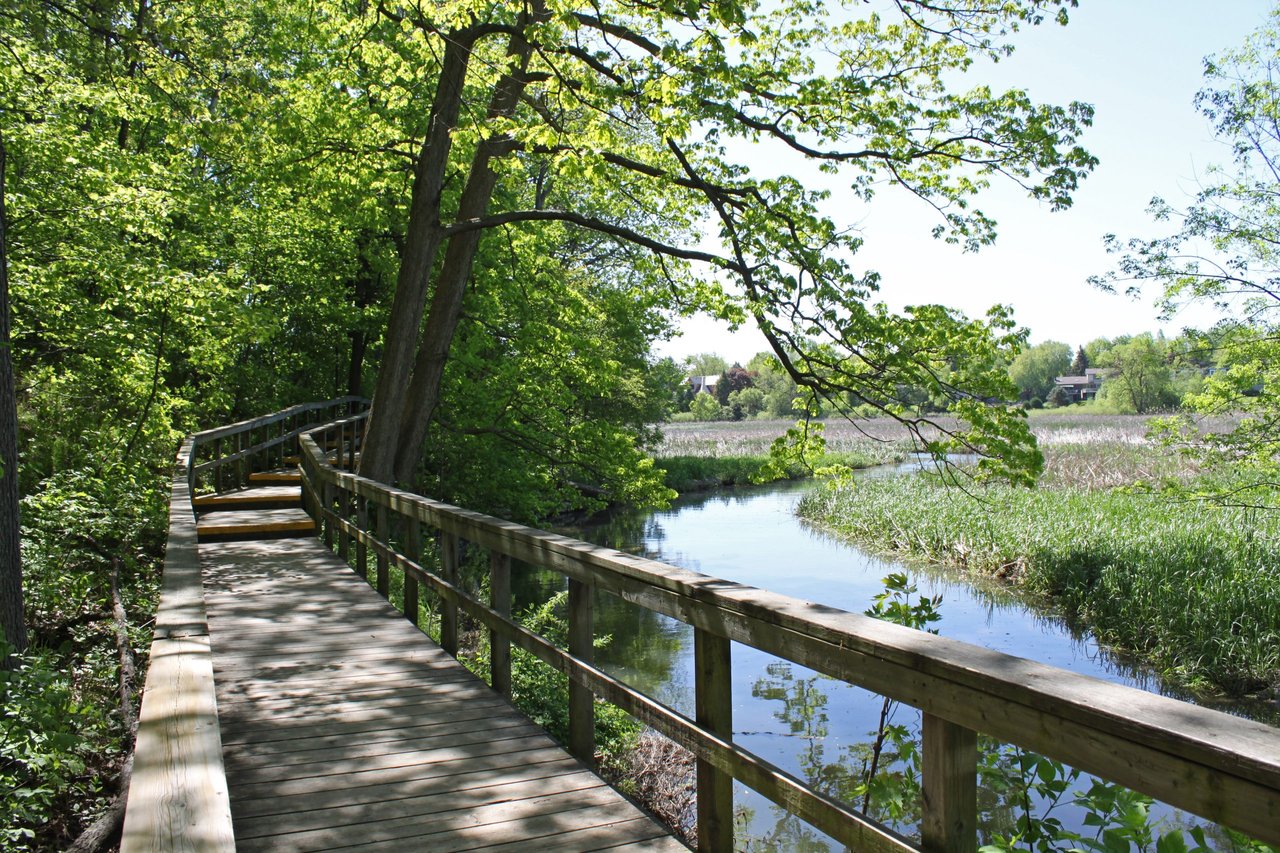
The biggest lifestyle draw in New Toronto is easy access to the lake. Colonel Samuel Smith Park is one of the area’s signature public spaces, known for its network of paths, waterfront setting, and year-round outdoor appeal.
The City notes that the park is one of Toronto’s most popular birding destinations. It also features the city’s longest ice-skating trail, along with biking and pedestrian trails, cricket space, boating access, naturalized wetlands, and more than 1,200 trees.
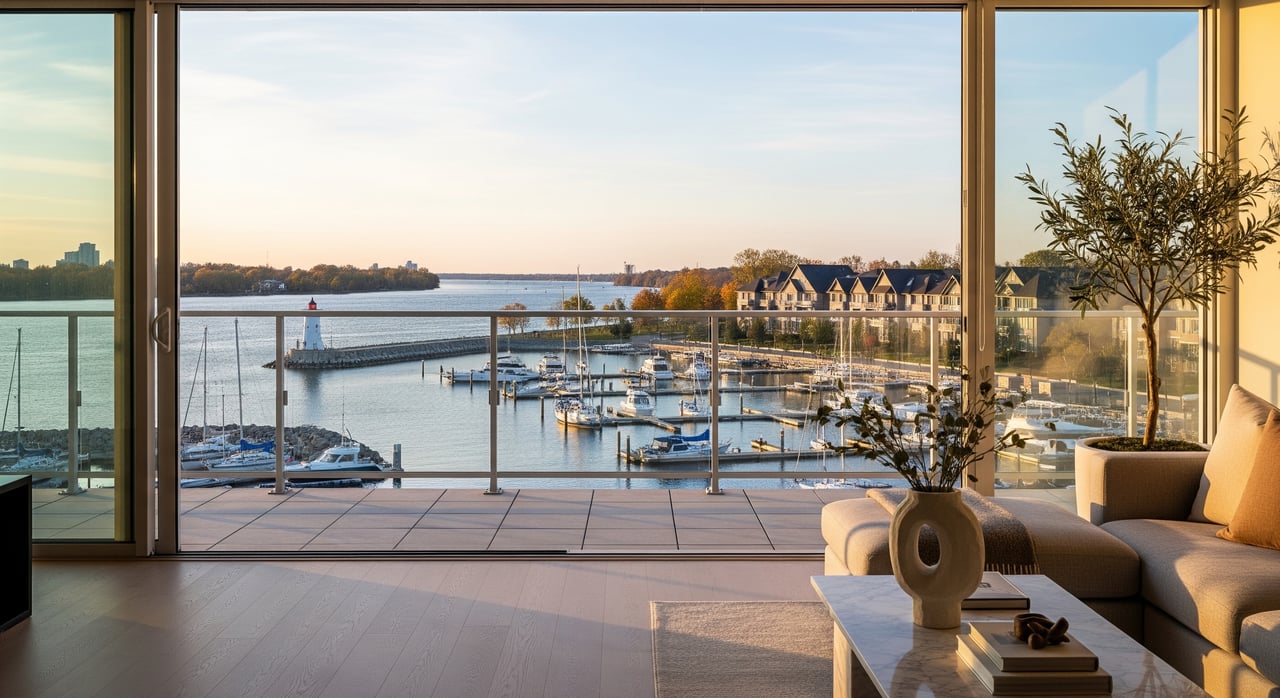
That means waterfront living here is not just about looking at the lake from a distance. You can build real routines around it, whether that means morning walks, bike rides, skating in winter, or simply spending more time outdoors close to home.
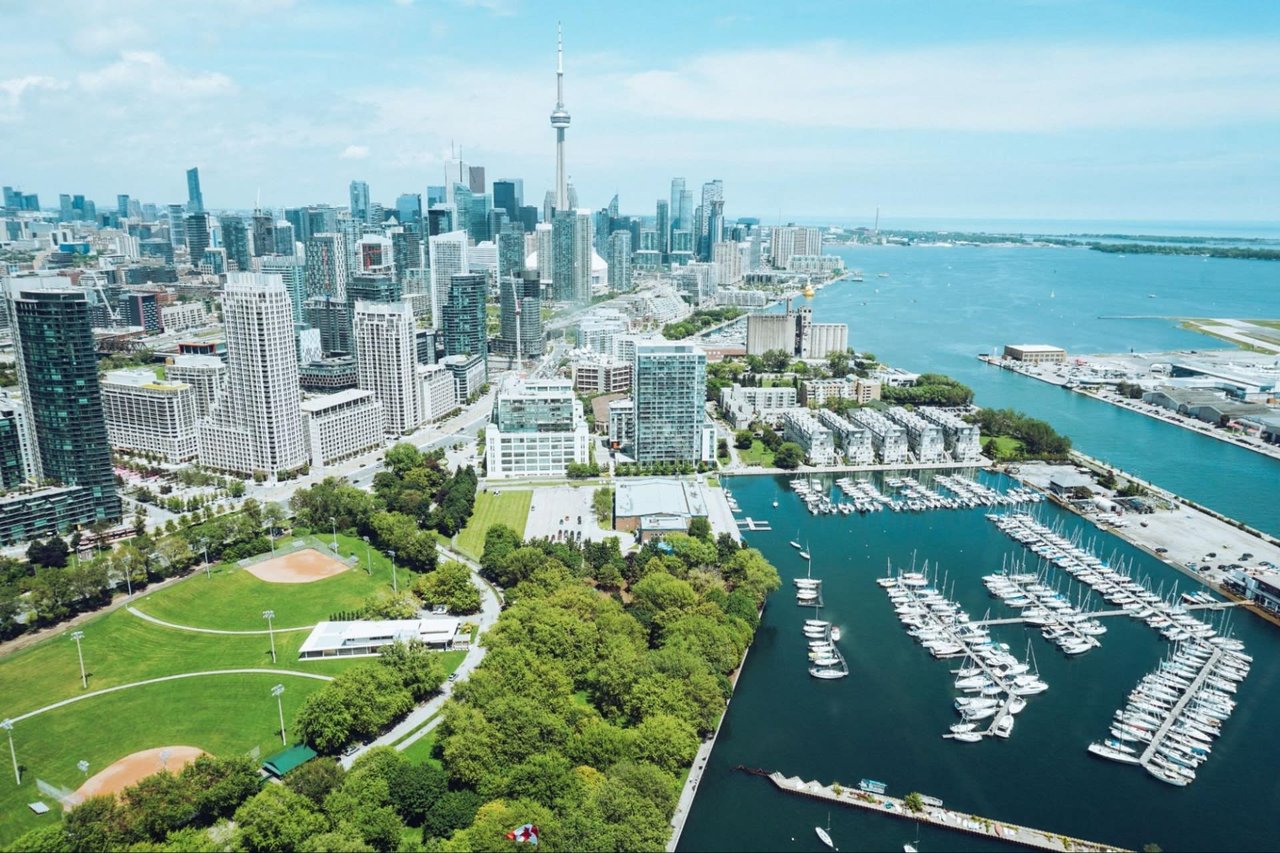
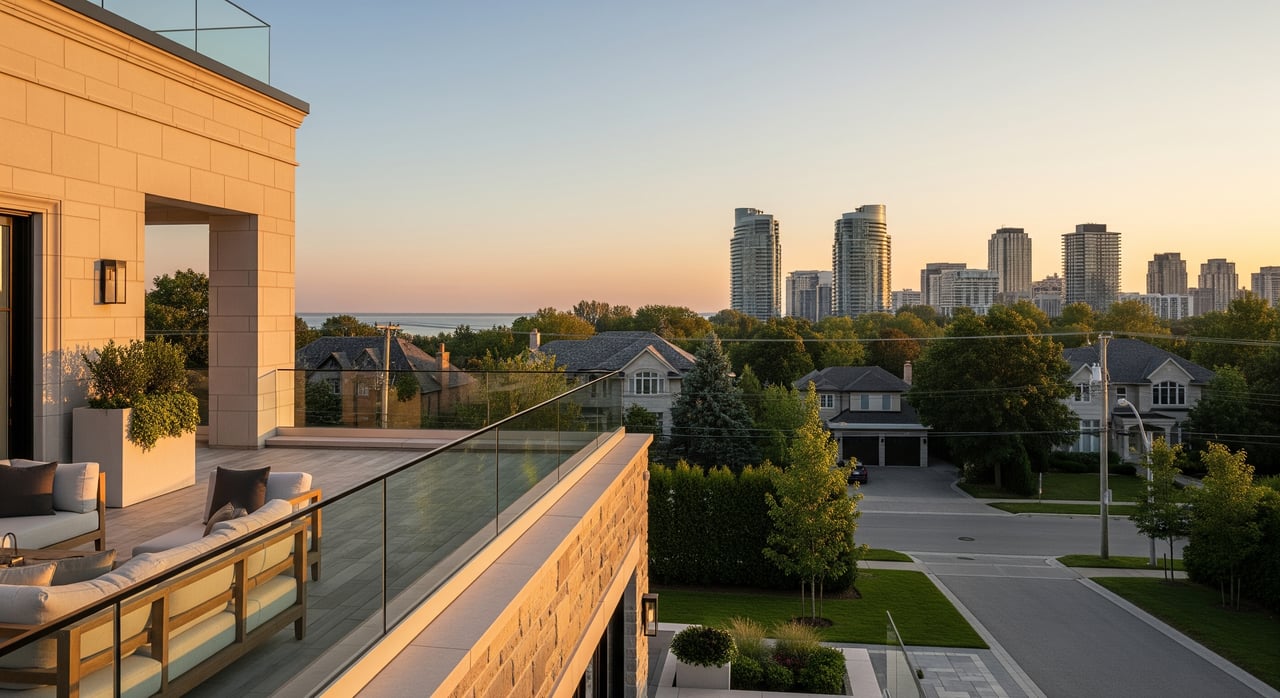
New Toronto also sits within Toronto’s Western Beaches corridor, which the City describes as a four-kilometre stretch of waterfront, parks, trails, and connected communities between the Humber River and Marilyn Bell Park. For buyers who value outdoor access, that broader setting is a meaningful part of the neighbourhood’s appeal.
New Toronto homes and housing mix
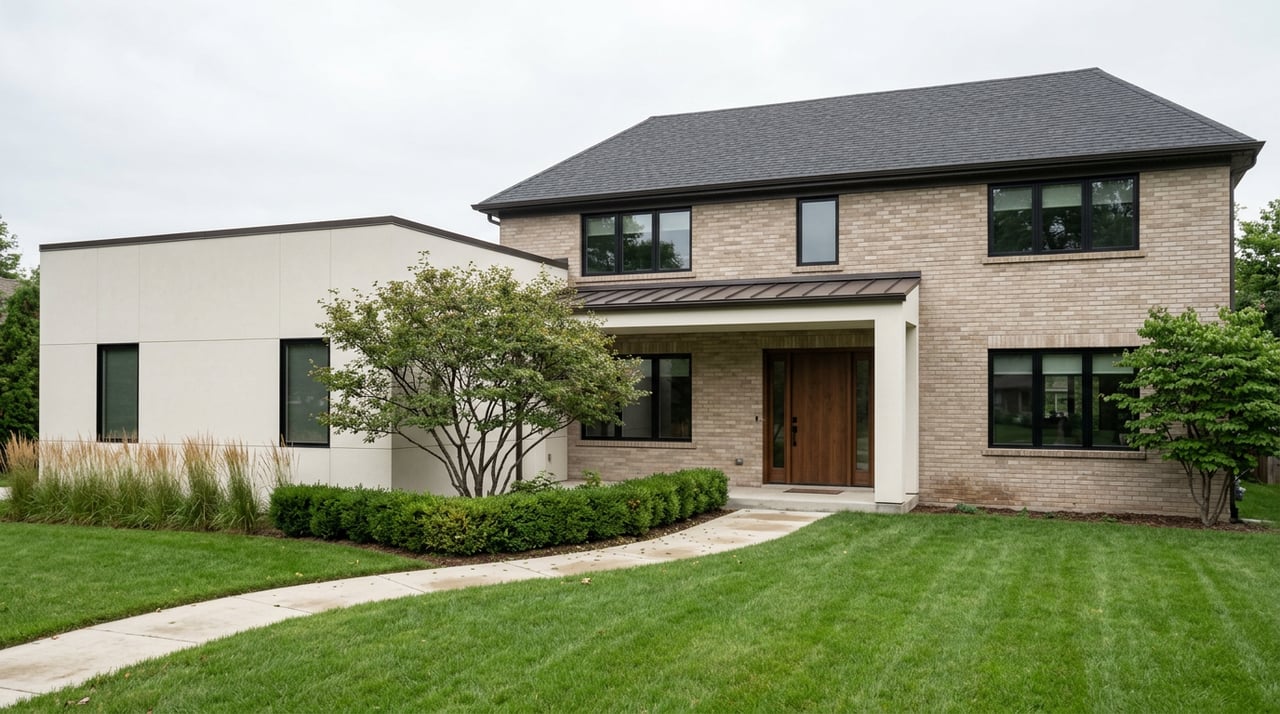
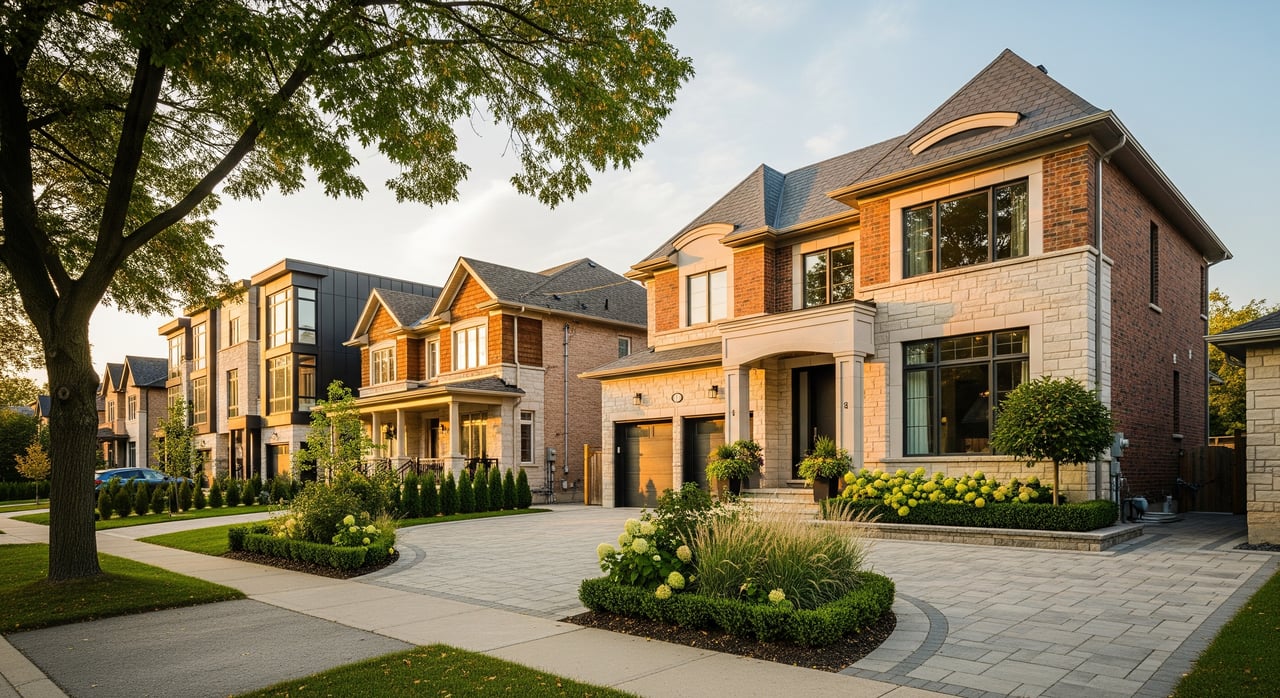
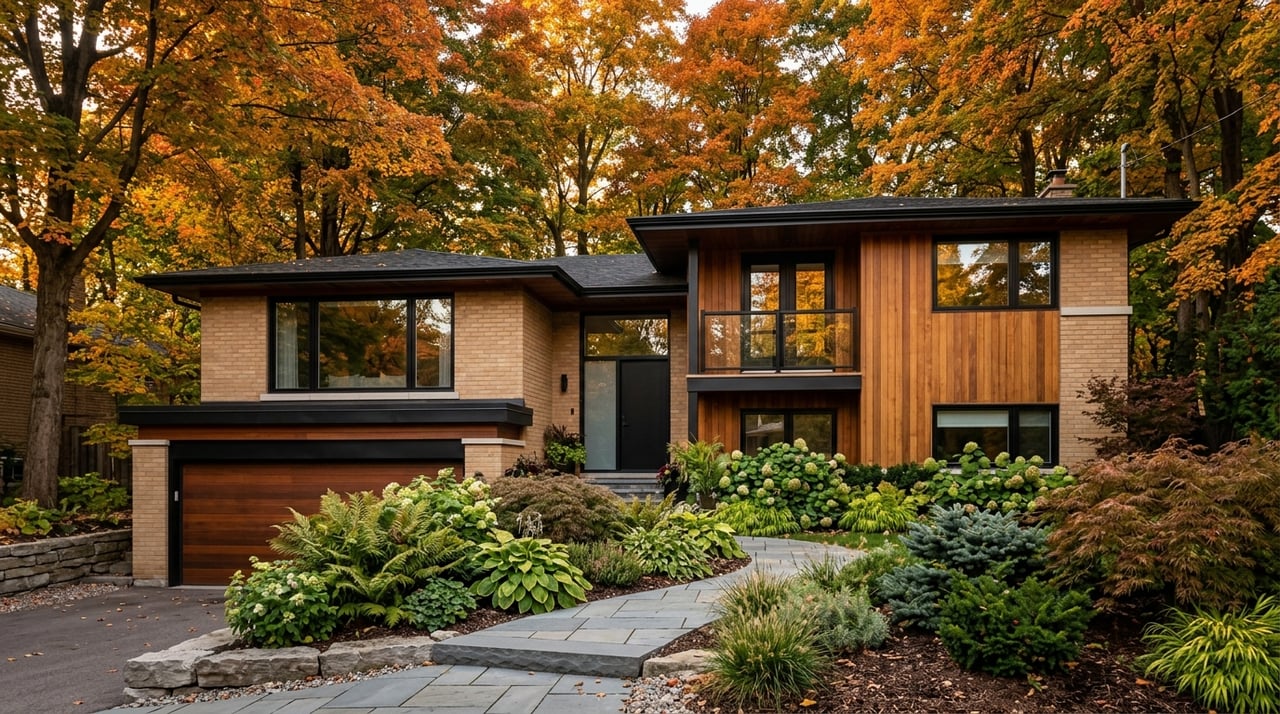
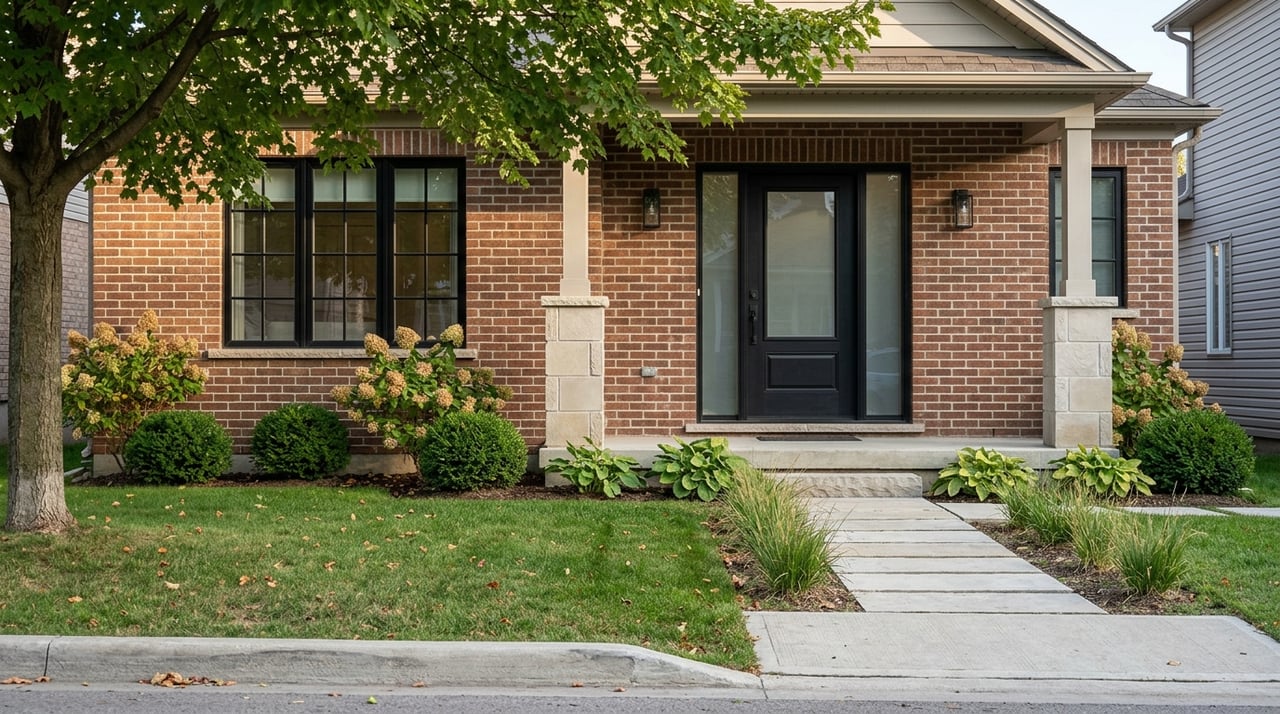
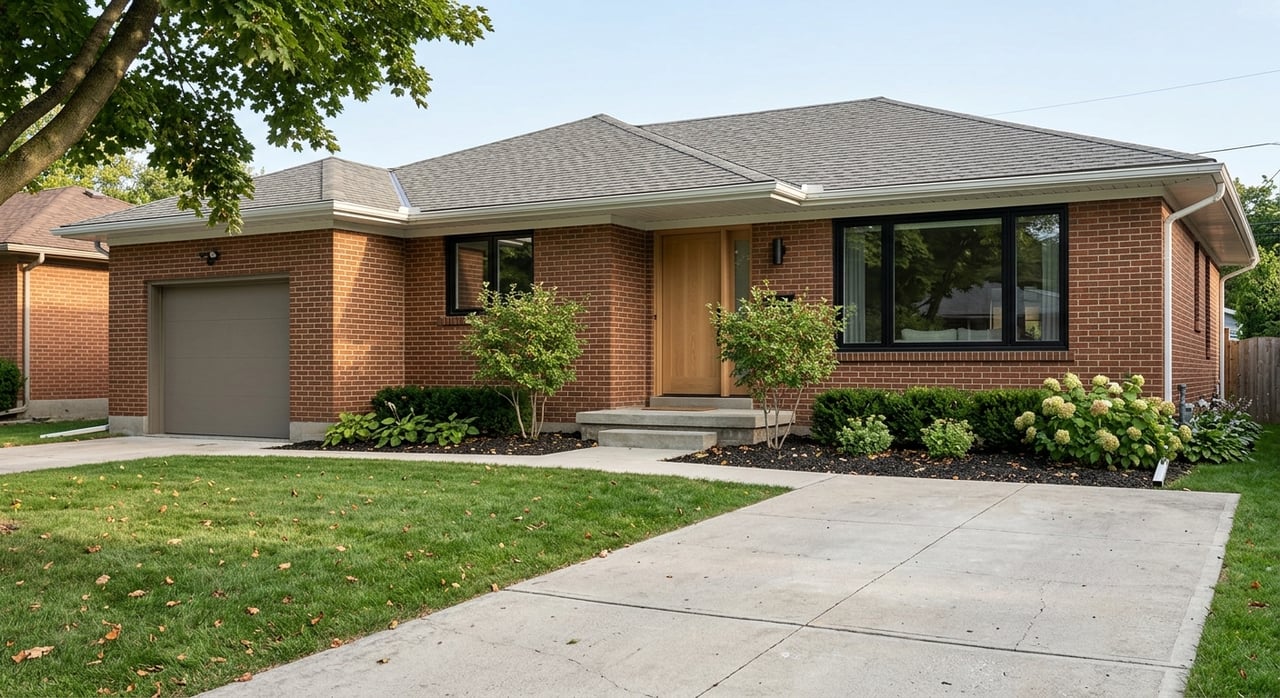
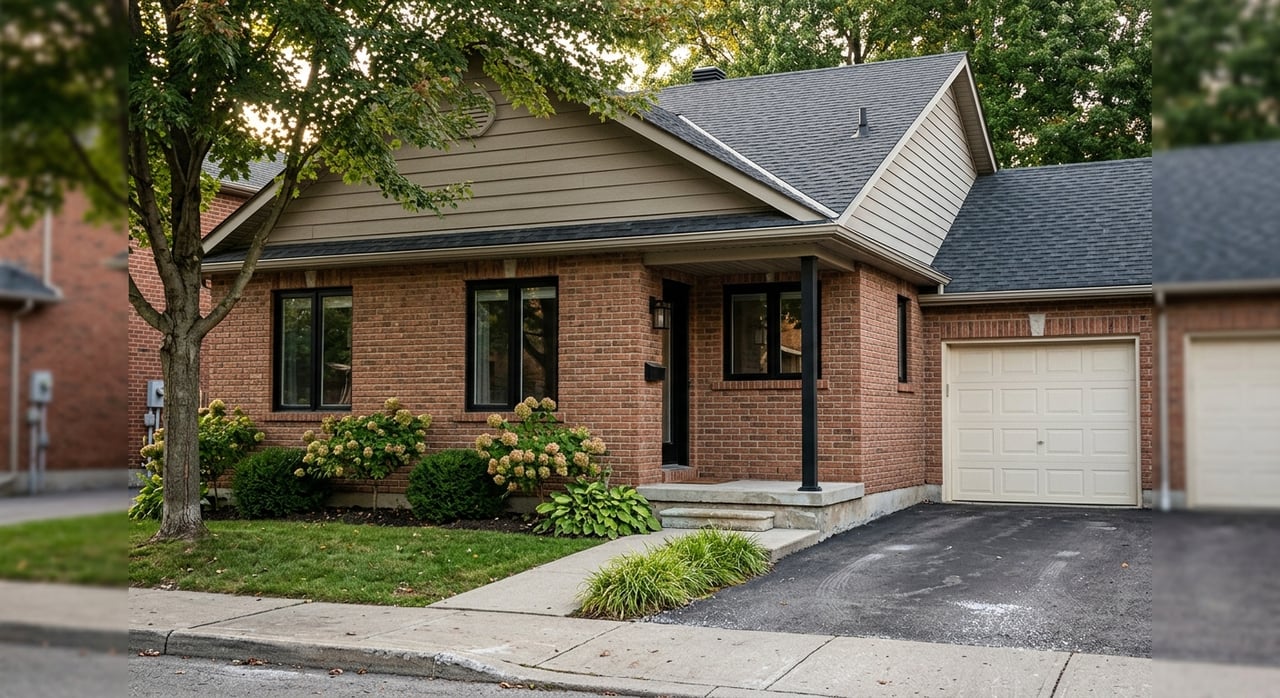
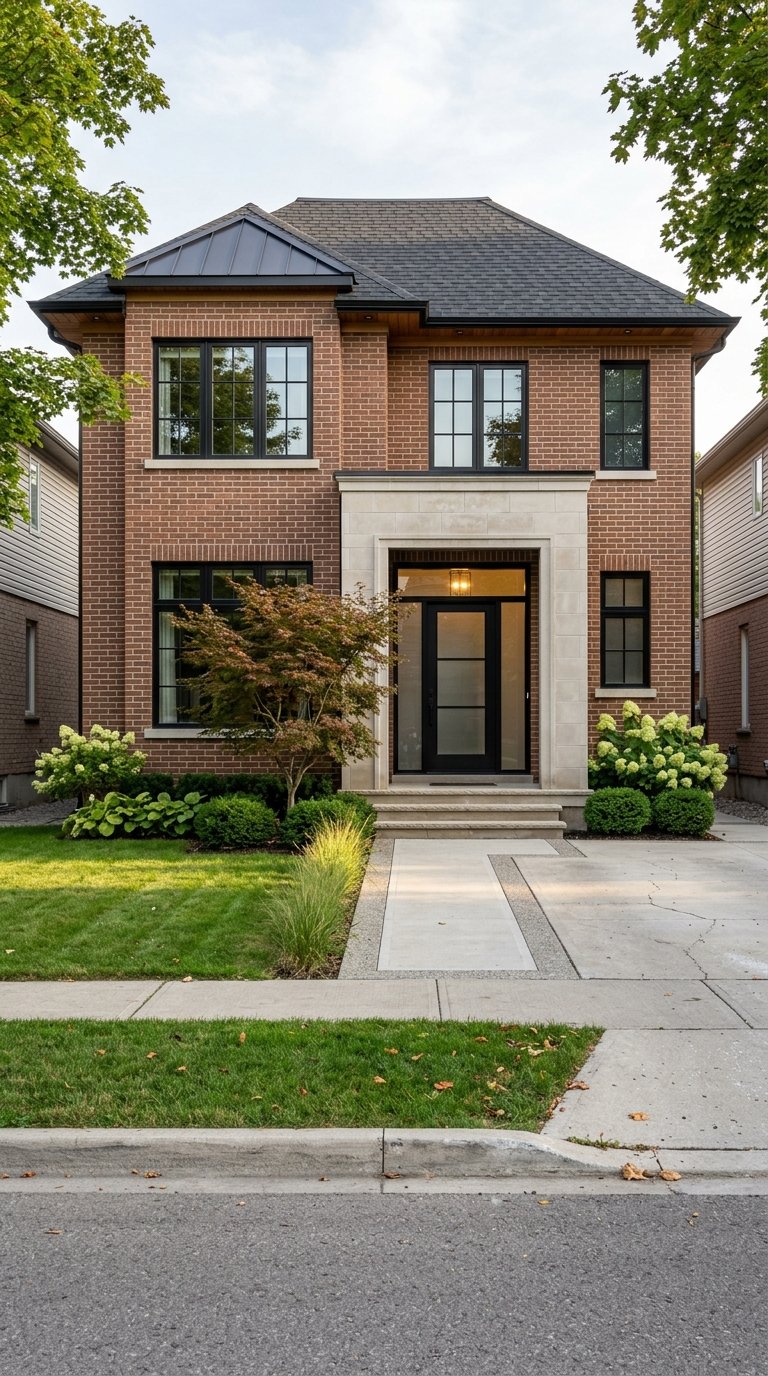
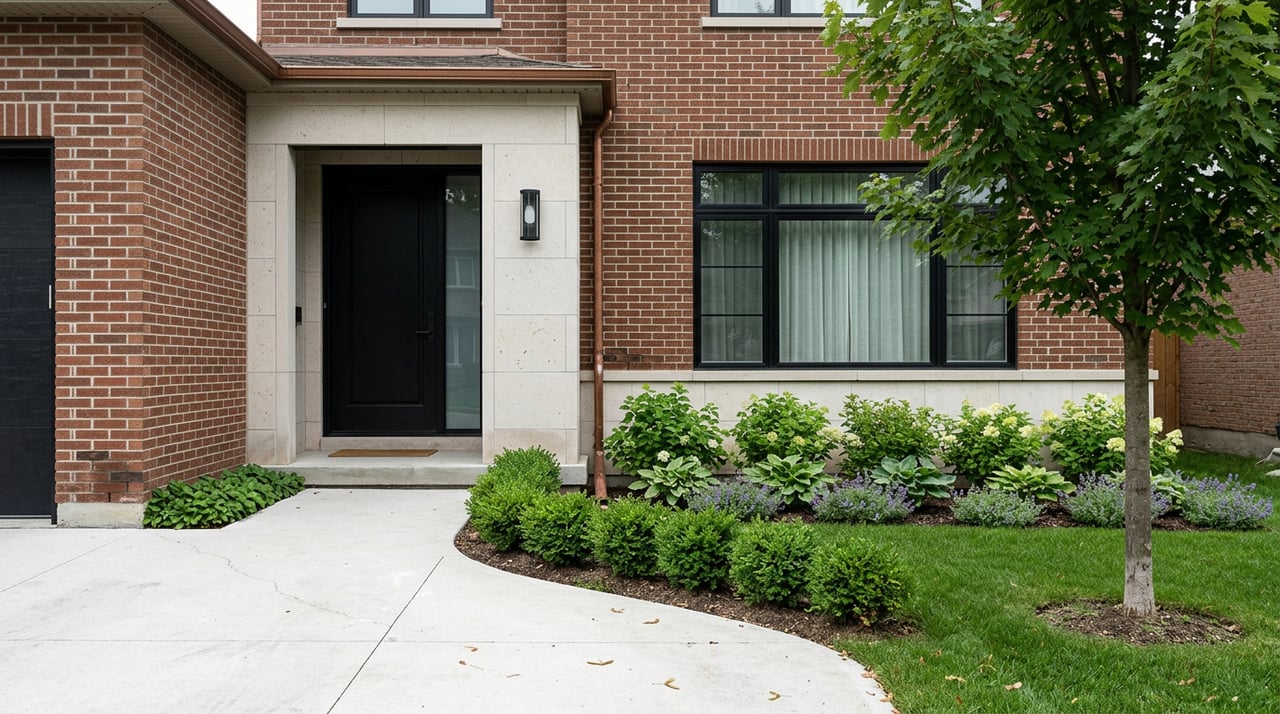
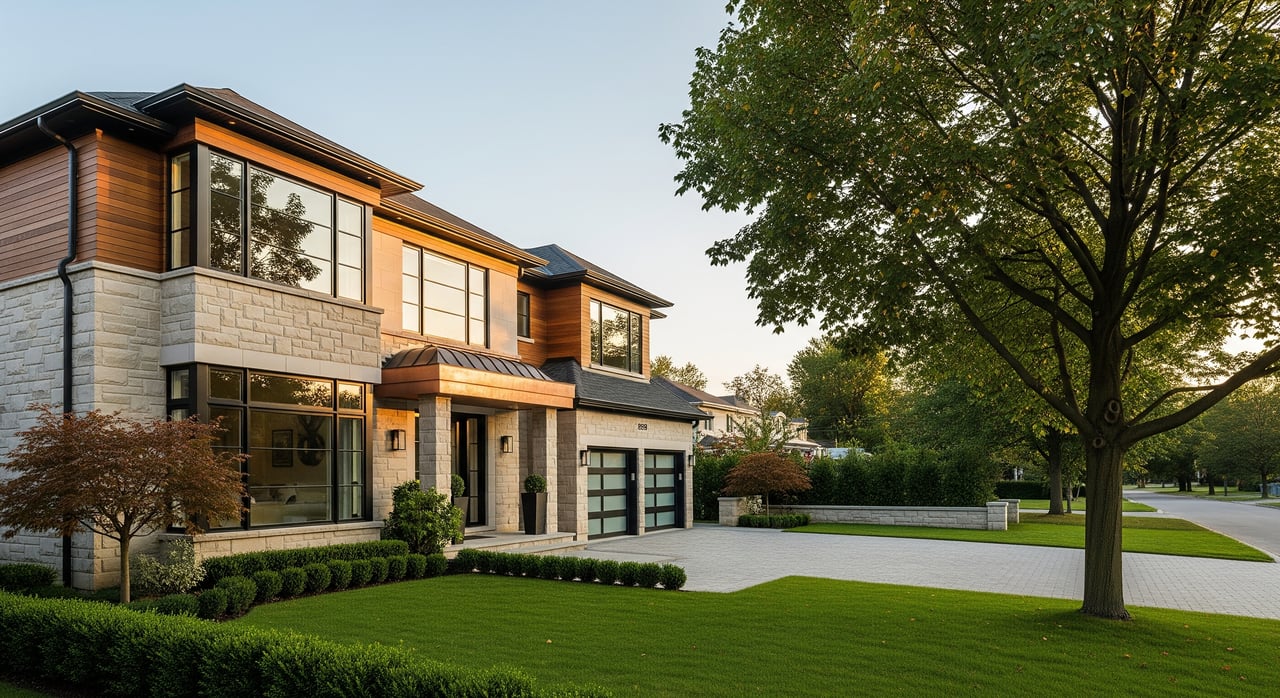
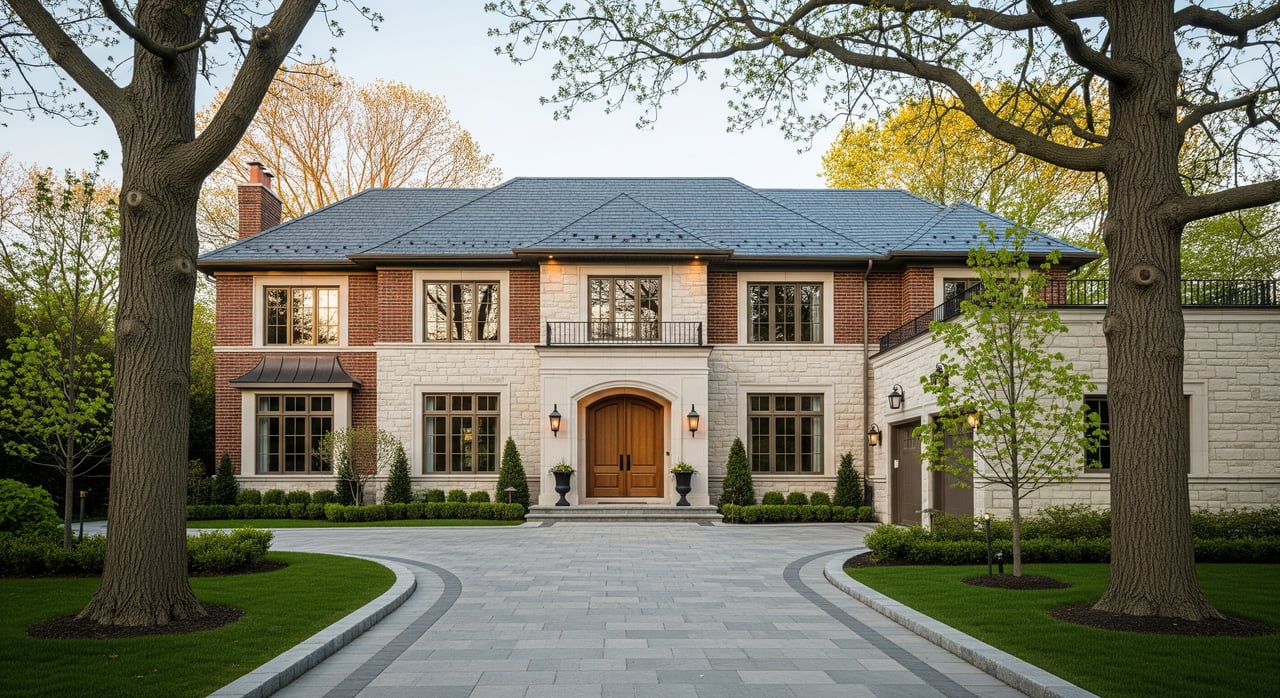
New Toronto has an older and more varied housing stock than many buyers expect from a waterfront neighbourhood. According to Toronto’s 2016 neighbourhood profile for New Toronto, 46% of dwellings were built before 1960.
The same profile shows a notably mixed built form:
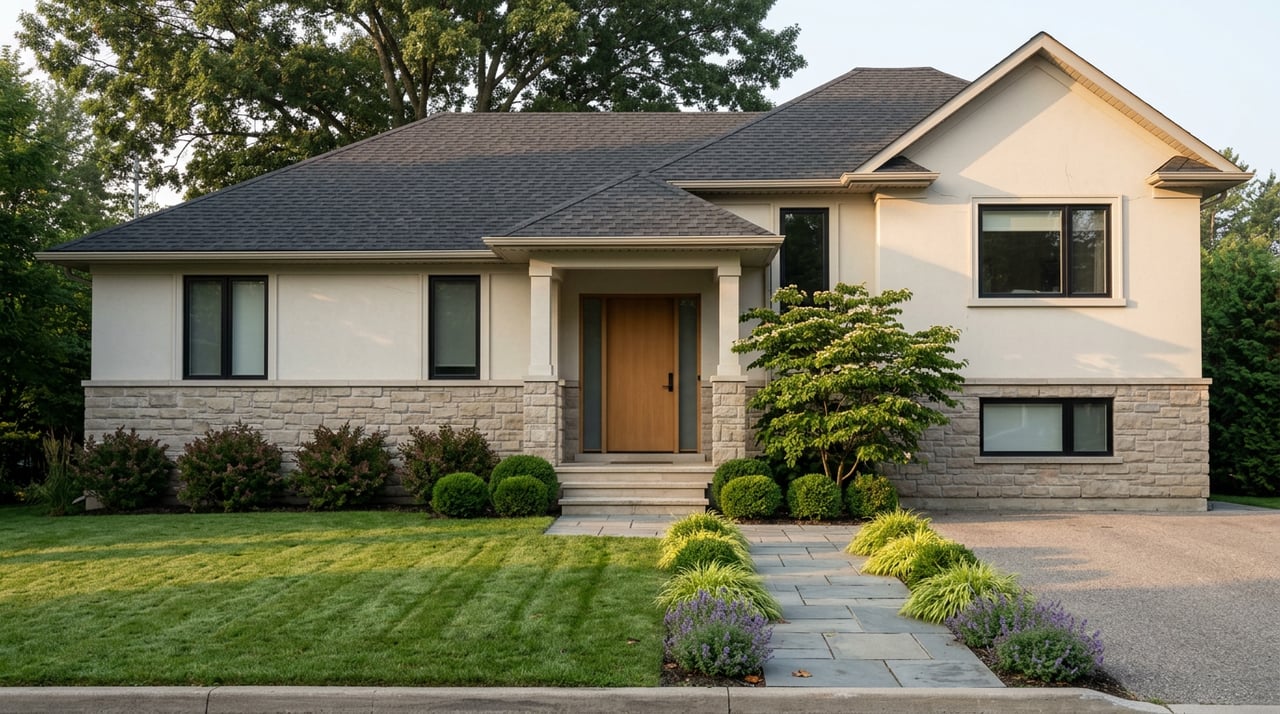
- 31% single-detached houses
- 9% semi-detached houses
- 6% row houses
- 4% duplexes
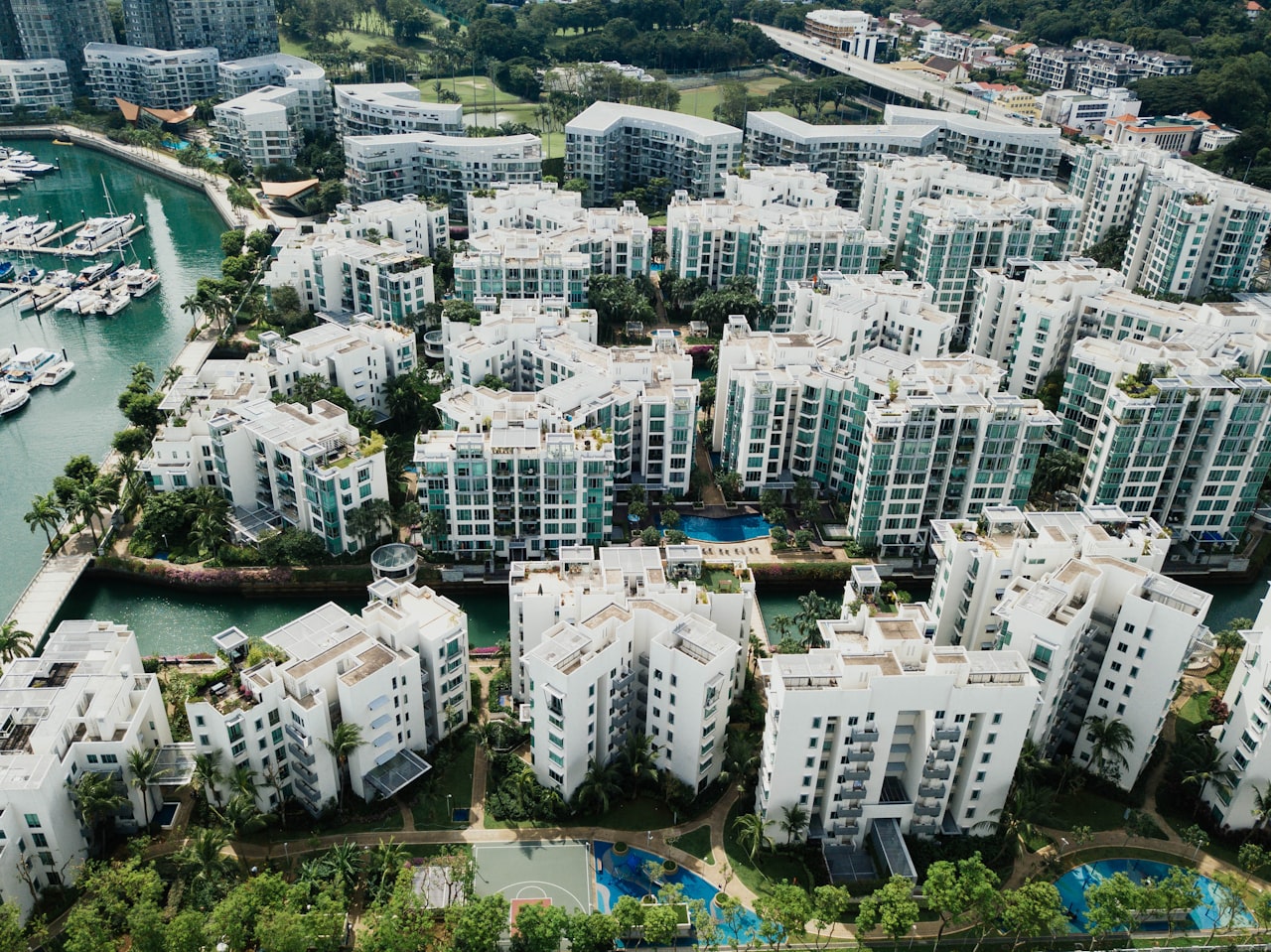
- 36% apartments under five storeys
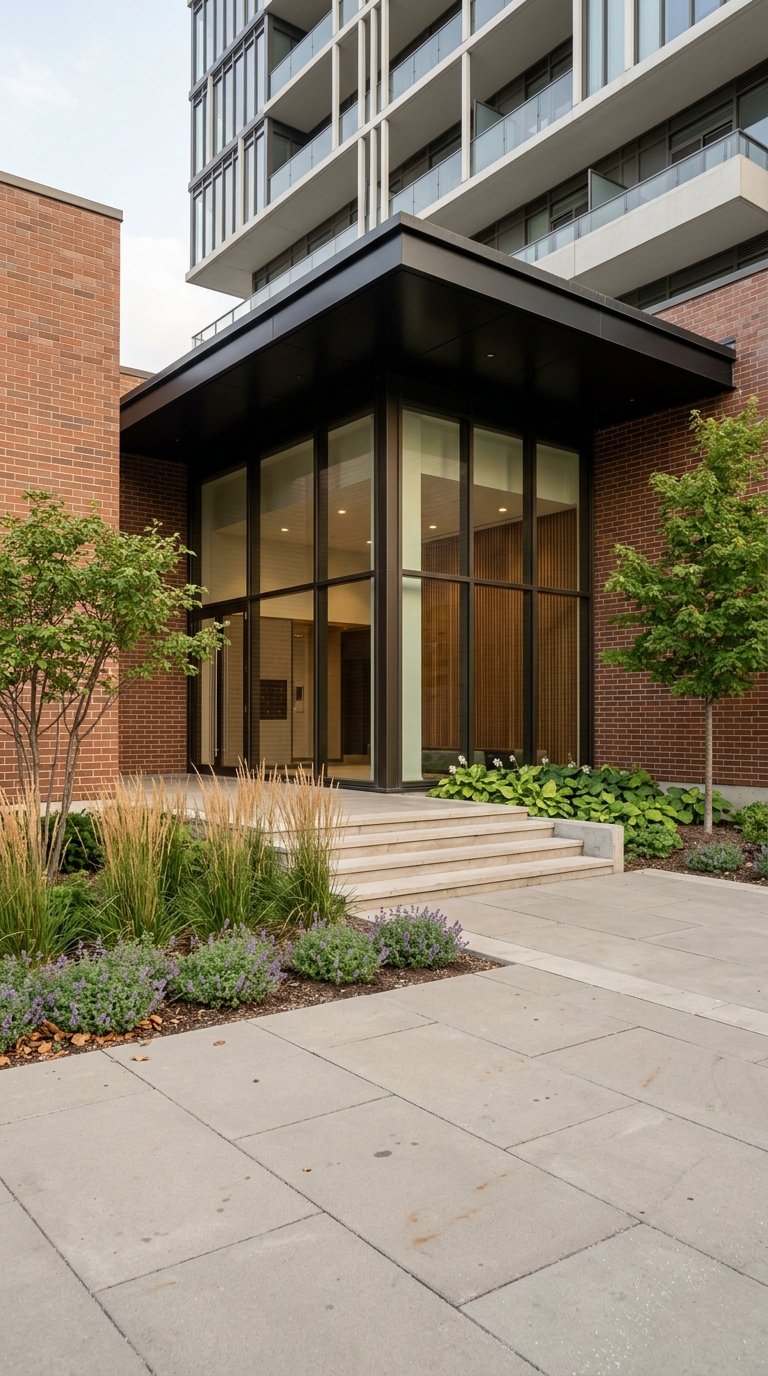
- 15% apartments in buildings with five or more storeys
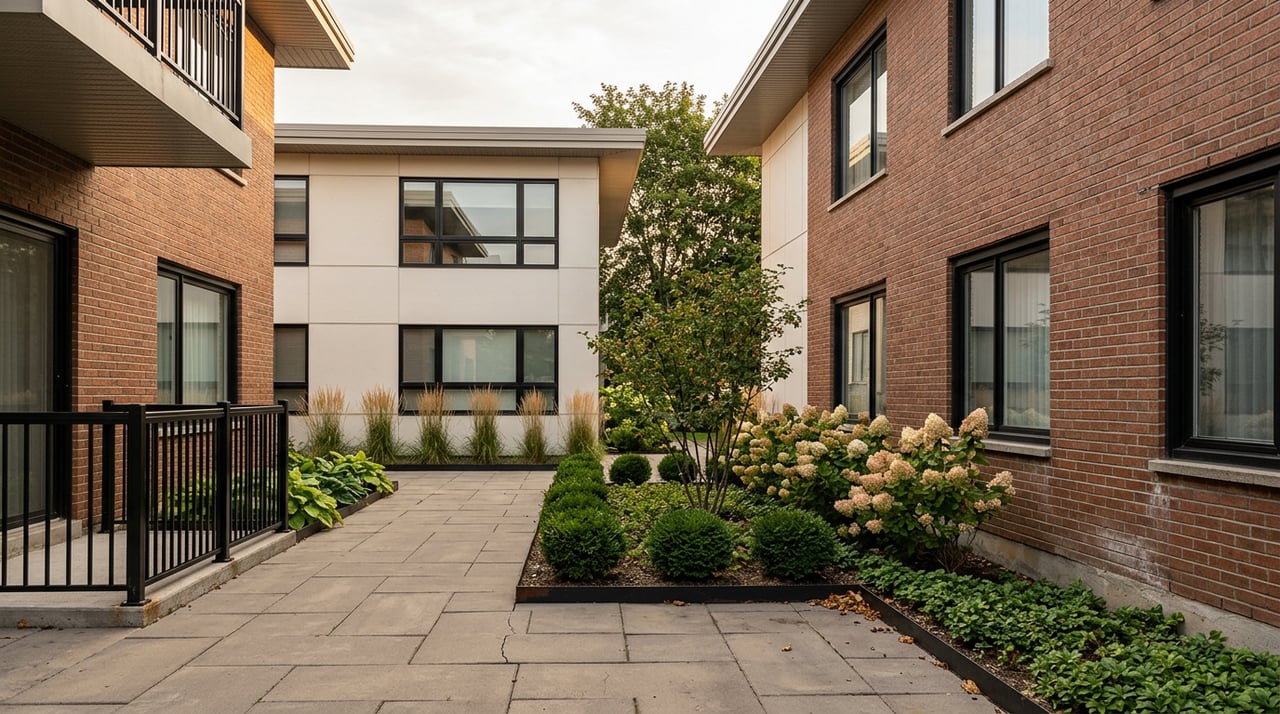
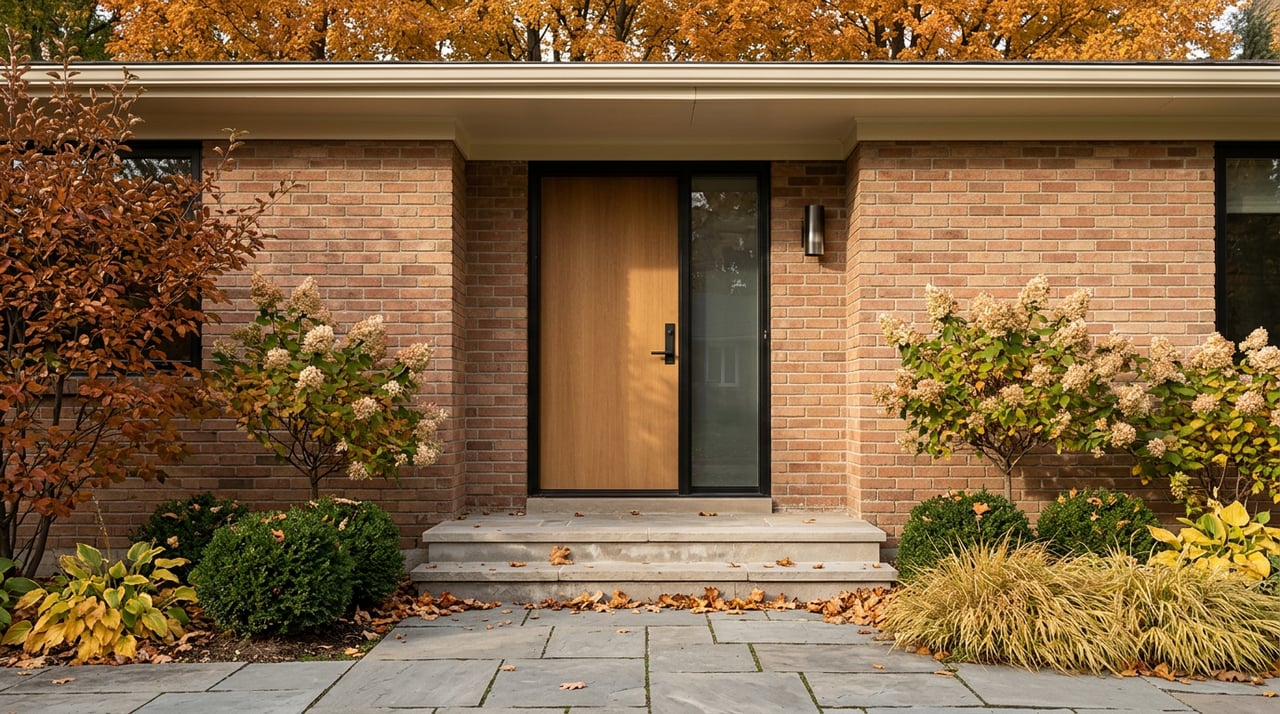
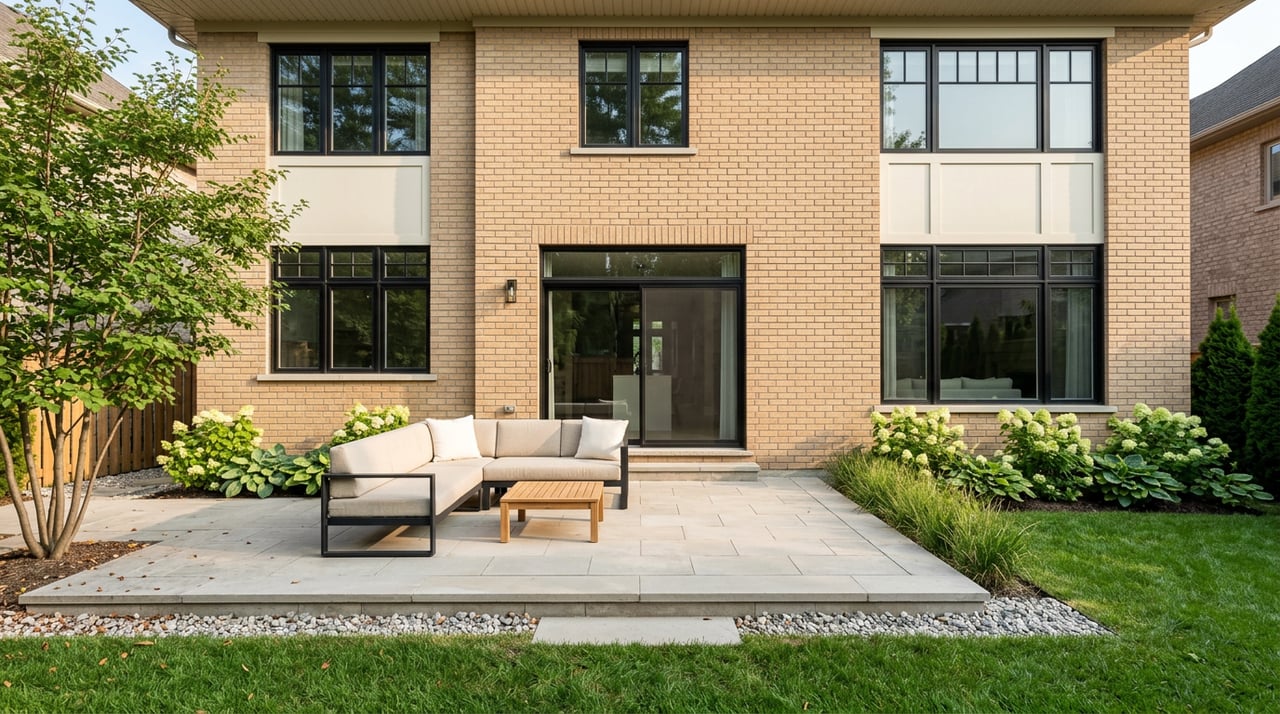
This matters because New Toronto does not read like a uniform condo district or a purely detached-home pocket. Instead, it offers a more layered mix of ground-oriented homes, smaller apartment buildings, and low-rise options that can appeal to different budgets and life stages.
The tenure mix also supports that diversity. The City profile shows 57% renter households and 43% owner households, which helps explain why the neighbourhood feels flexible and varied rather than exclusive or overly homogeneous.
What prices look like right now
For buyers comparing waterfront communities, price is often the biggest question. According to TRREB’s Q4 2025 community report, New Toronto’s average price across all home types was $853,421.
The same report shows detached homes averaging about $988,000 and condo townhouses averaging about $688,000. Because the quarter had a modest number of sales, these figures are best viewed as a snapshot rather than a full neighbourhood valuation.
Still, the numbers are useful. They suggest New Toronto remains one of the more approachable waterfront options for buyers who want lake proximity without stepping into the higher price bands often seen in nearby shoreline markets.
Lifestyle on Lakeshore Boulevard West
A waterfront neighbourhood only works if daily life feels easy. In New Toronto, Lakeshore Boulevard West plays that role by bringing together local businesses, services, and community activity in one linear corridor.
With more than 150 businesses in the Lakeshore Village BIA, you can expect a practical mix of restaurants, cafes, retail, wellness providers, and other services. That supports a lifestyle where many everyday needs are close at hand, even if the neighbourhood still feels more relaxed than denser urban waterfront districts.
This is part of New Toronto’s appeal for buyers who want balance. You get access to parks and trails, but you also get a functioning main street that helps the area feel lived in and convenient.
Transit and commuting options
New Toronto’s commute story is stronger than some buyers realize. The neighbourhood is served by the 501 Long Branch streetcar, and the City notes that Assembly Hall is also served by the 44 Kipling South bus from Kipling Station.
For broader regional access, Long Branch GO at 20 Brow Drive connects with TTC and MiWay. That gives the area more than one transit option, which can be especially helpful if you commute to other parts of Toronto or across the west GTA.
In practical terms, New Toronto offers a layered transportation setup. You have local streetcar service, bus access, and regional rail nearby, which can make the neighbourhood attractive to professionals who want waterfront living without depending on a single mode of transit.
How New Toronto compares nearby
If you are weighing New Toronto against Lakeview or Port Credit, the differences are fairly clear.
New Toronto vs. Lakeview
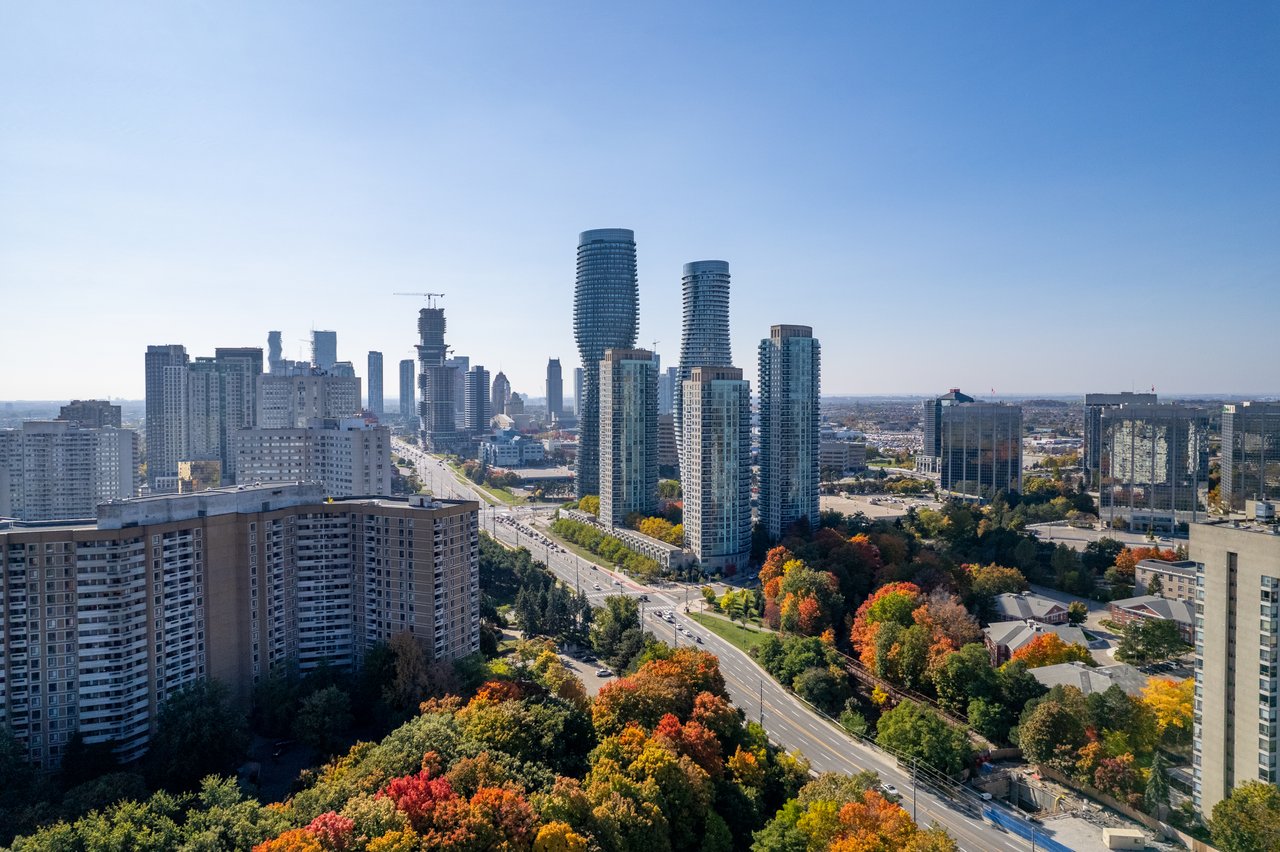
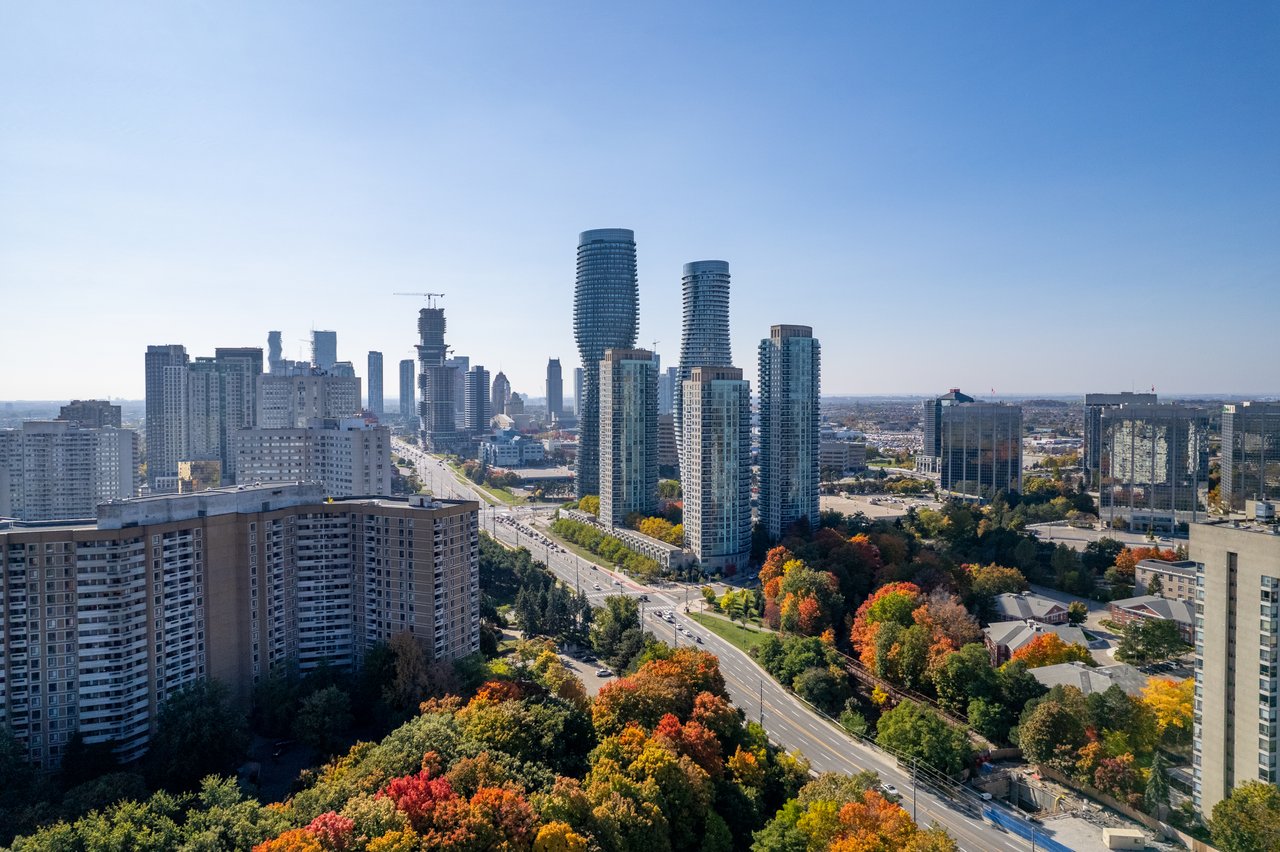
Lakeview is more redevelopment-driven. The City of Mississauga says Lakeview Village is a 177-acre waterfront site planned to deliver 16,000 homes, more than 45 acres of parkland, six parks, an extension of the Trans Canada Trail, and a new pier.
That makes Lakeview a major future-growth story. New Toronto, by contrast, feels more established and lower rise today, with an existing main street, mature park access, and a more traditional housing mix.
TRREB’s Q4 2025 data also suggests a pricing gap. Detached homes in New Toronto averaged about $988,000, compared with about $1.379 million in Lakeview.
New Toronto vs. Port Credit
Port Credit is the more polished and higher-priced waterfront village of the three. It also continues to add housing through projects such as Brightwater, which includes 2,955 housing units and about 18 acres of planned parkland, as well as Port Credit West Village, which is planned for 2,995 new residential units.
Port Credit also has a clearer rail identity because Port Credit GO sits right in the neighbourhood. That can be a major draw for commuters who prioritize direct train access.
Price reflects that positioning. TRREB’s Q4 2025 report shows detached homes in Port Credit averaging about $1.839 million, which places it well above New Toronto.
The practical takeaway
Based on the available data, New Toronto can be understood as the older, lower-rise, more approachable waterfront option. Lakeview is the large-scale redevelopment play, and Port Credit is the more established premium village with stronger rail identity and a higher price tag.
For many buyers, that makes New Toronto appealing for one simple reason: it offers real waterfront lifestyle value without requiring the same budget as some nearby alternatives.
Who New Toronto may suit best
New Toronto can make sense for several types of buyers, especially if your priorities are practical as much as aspirational.
You may want to look more closely if you are seeking:
- Waterfront access with everyday park and trail use
- A lower-rise neighbourhood with a mix of home types
- A more approachable entry point into a waterfront market
- A main-street setting with local shops and services
- Multiple transit options, including streetcar and nearby GO access
It may be especially appealing if you want a neighbourhood that feels established rather than master-planned. The housing stock is older and varied, which can create more choice in form and price point, even if inventory and condition vary property by property.
What to keep in mind as a buyer
New Toronto’s appeal comes with the same need for careful local analysis that applies in any mixed housing market. Because the neighbourhood includes older homes, low-rise apartments, and a range of property types, one block or building can feel quite different from the next.
That makes on-the-ground guidance important. A detached house, condo townhouse, or low-rise unit may each offer a very different lifestyle, maintenance profile, and long-term value story even within the same neighbourhood boundaries.
If you are comparing waterfront communities in Toronto’s west end and South Mississauga, it helps to look beyond the headline. The best choice often comes down to how you weigh housing style, price, transit, and the kind of daily routine you want.
If you are exploring waterfront opportunities in New Toronto, Port Credit, Lakeview, or nearby west GTA communities, the Larose Team can help you compare options with a clear, local-first perspective and concierge-level support.
FAQs
What is New Toronto like for waterfront living?
- New Toronto offers direct access to waterfront parks, trails, and outdoor spaces, with Colonel Samuel Smith Park as a major lifestyle anchor for walking, biking, skating, and birding.
What types of homes are in New Toronto?
- Toronto’s neighbourhood profile shows a mix of single-detached homes, semi-detached homes, row houses, duplexes, low-rise apartments, and some mid-rise apartment buildings.
How much do homes cost in New Toronto?
- According to TRREB’s Q4 2025 community report, New Toronto’s average price across all home types was $853,421, with detached homes around $988,000 and condo townhouses around $688,000.
How does New Toronto compare with Port Credit?
- New Toronto appears to be the more approachable price point, while Port Credit is the more established premium waterfront village with stronger rail identity and higher detached home prices.
Is New Toronto good for commuting?
- New Toronto offers access to the 501 Long Branch streetcar, the 44 Kipling South bus, and nearby Long Branch GO, giving you multiple transit options for local and regional travel.