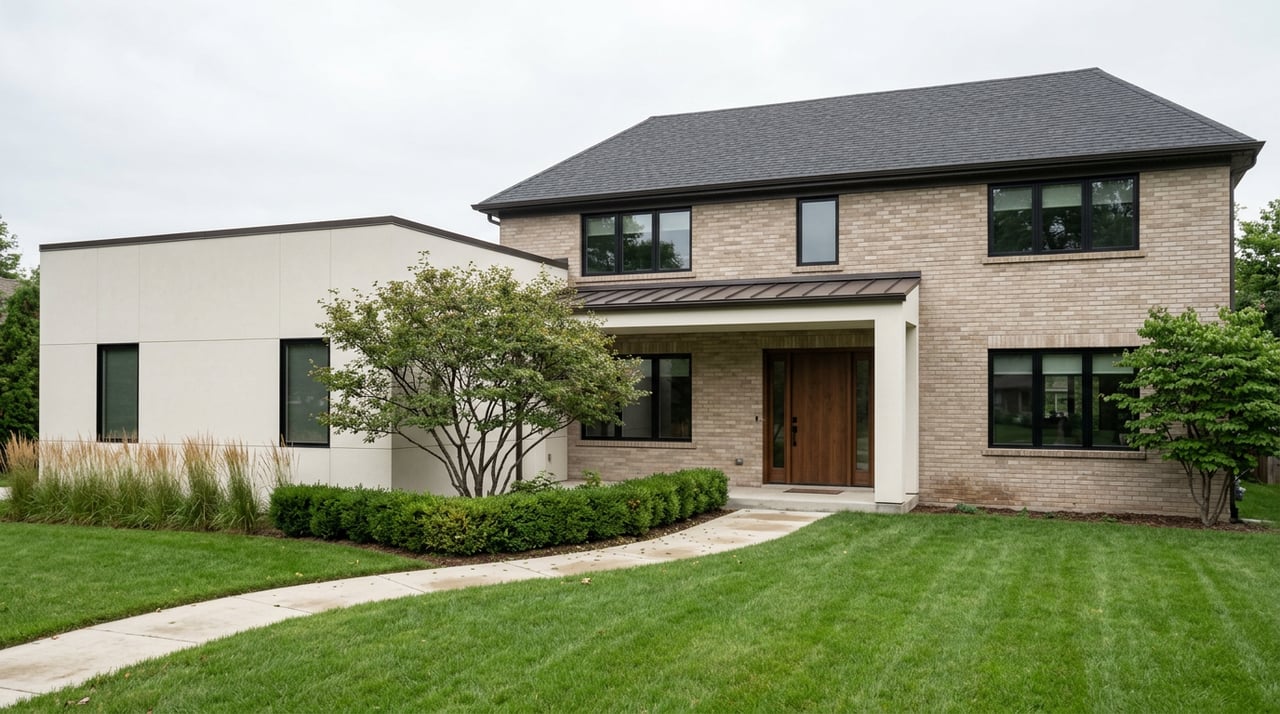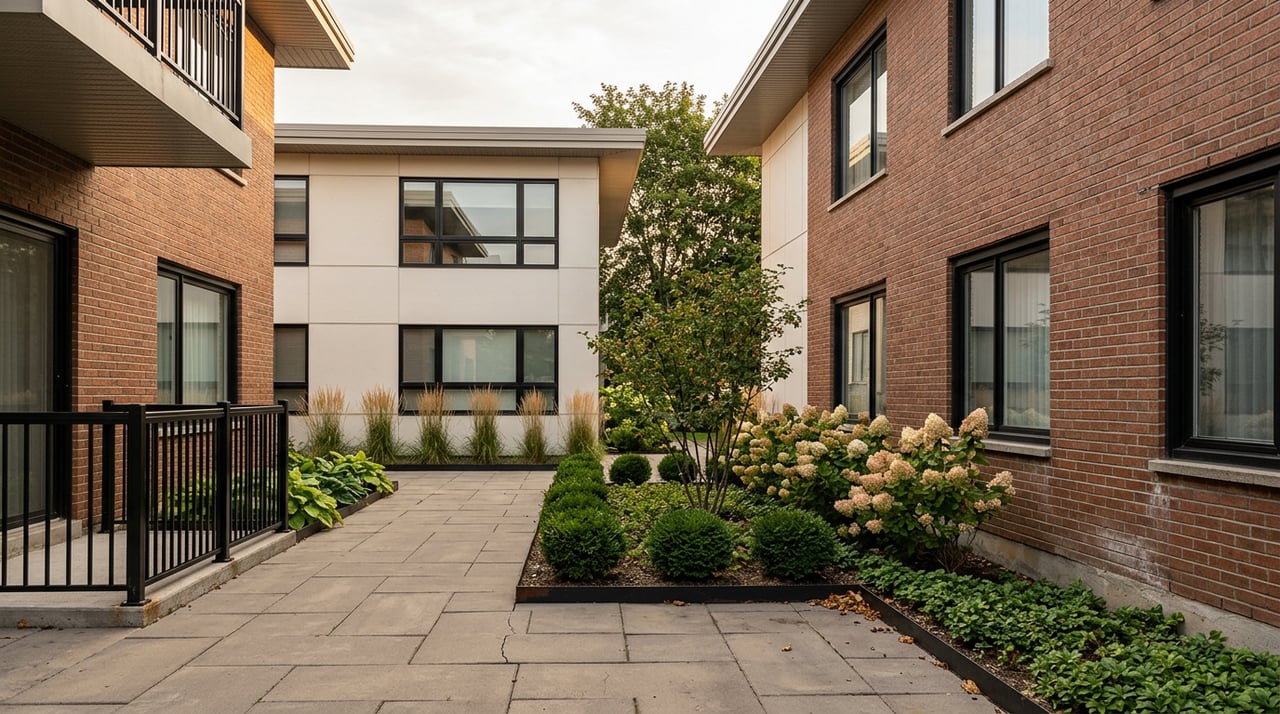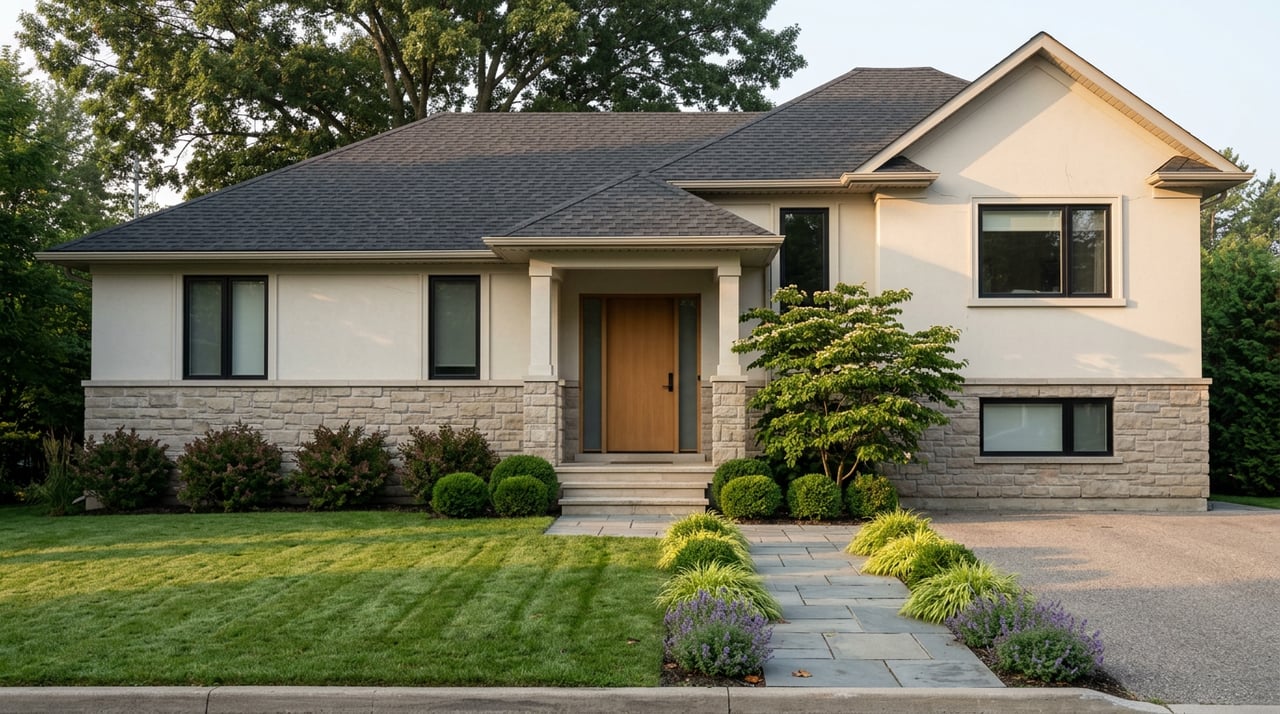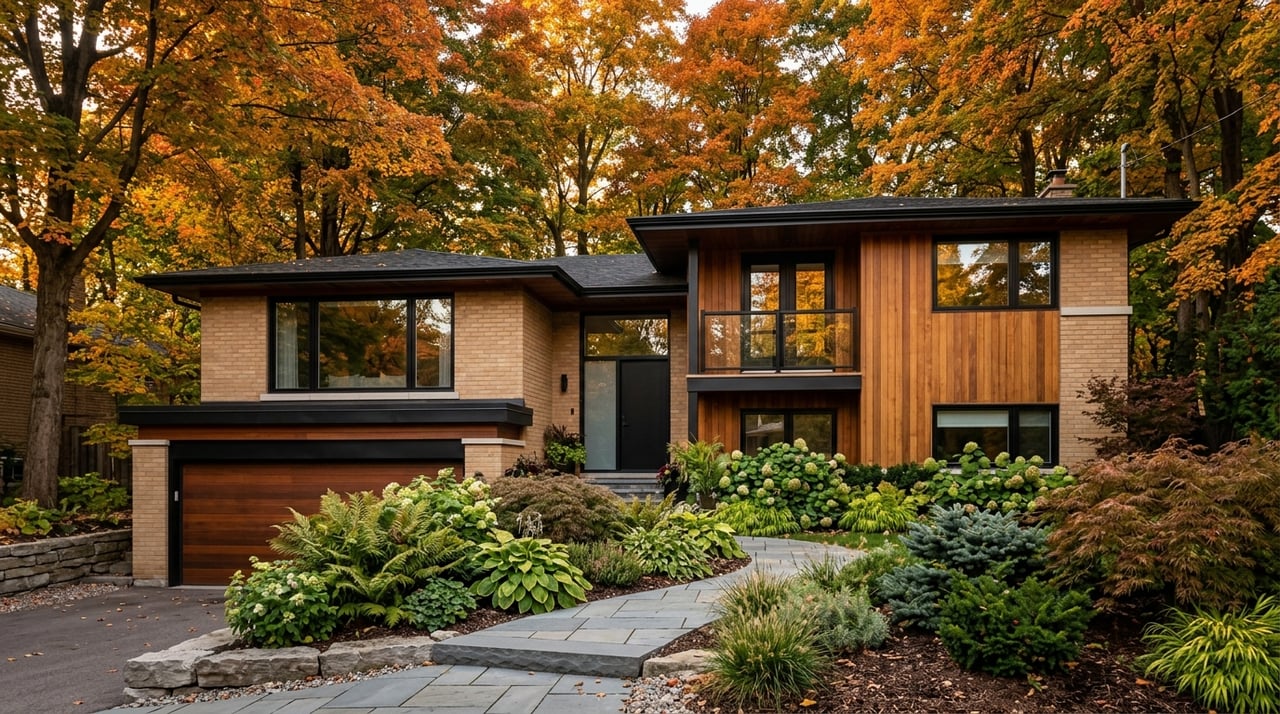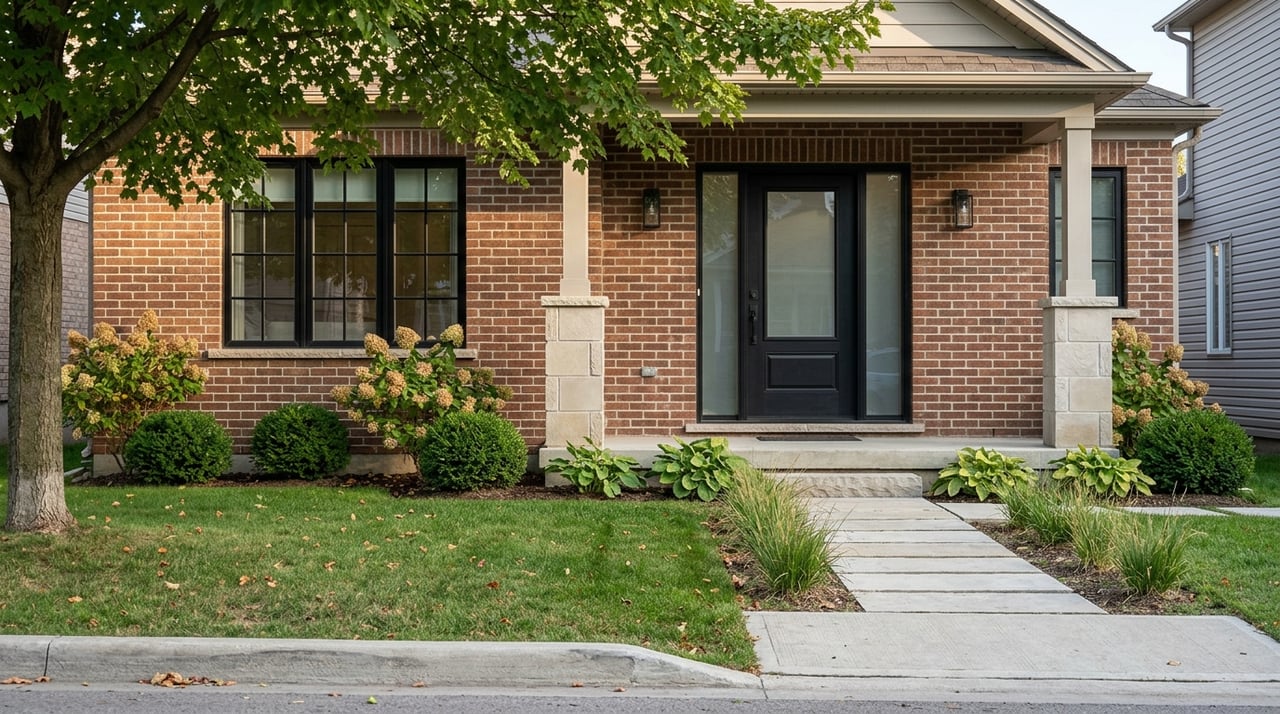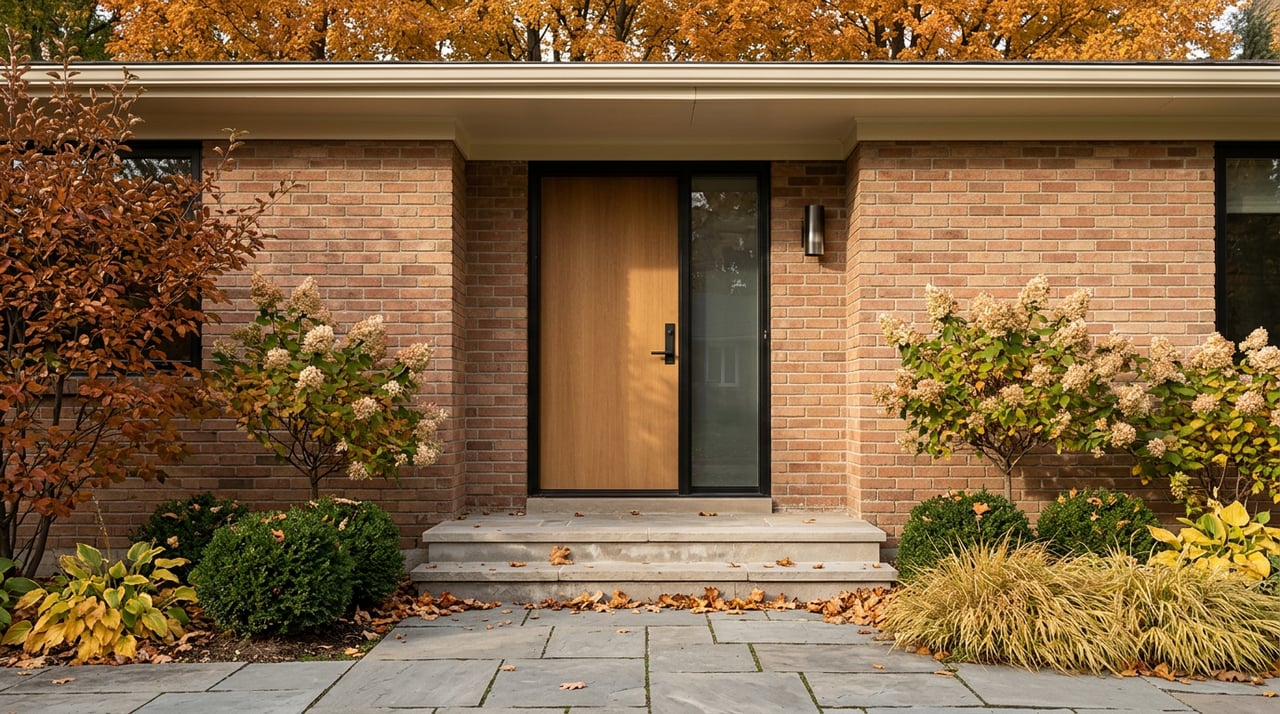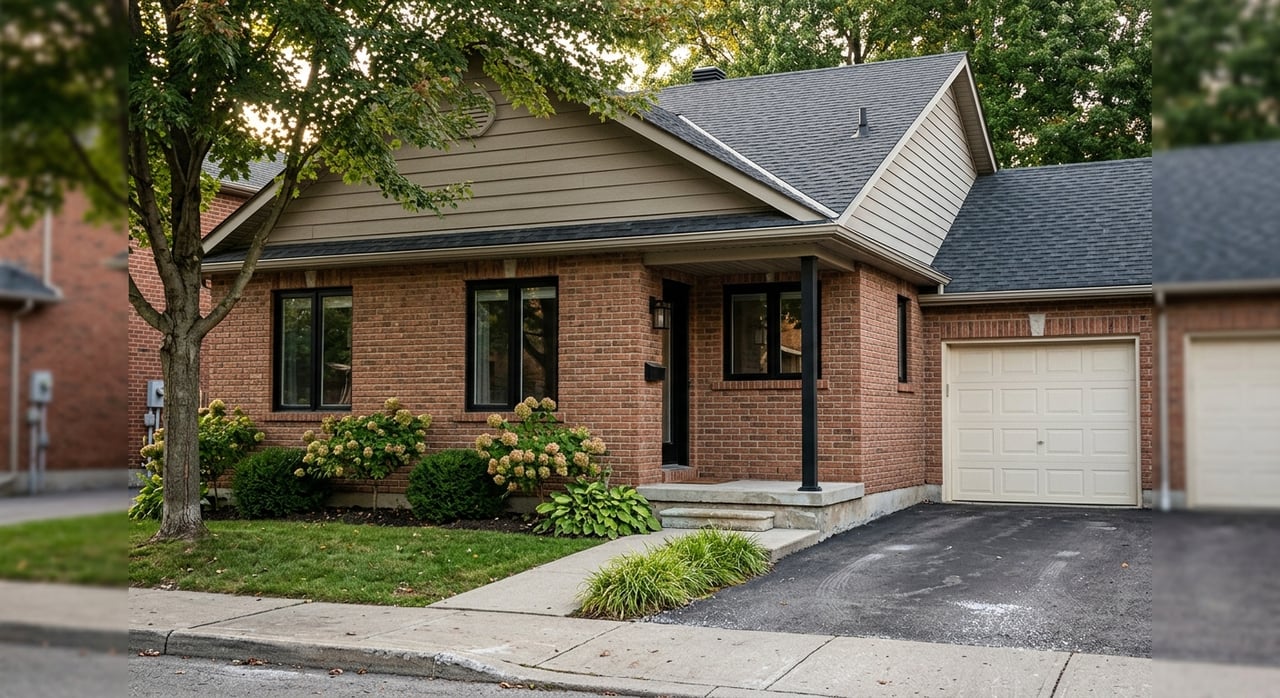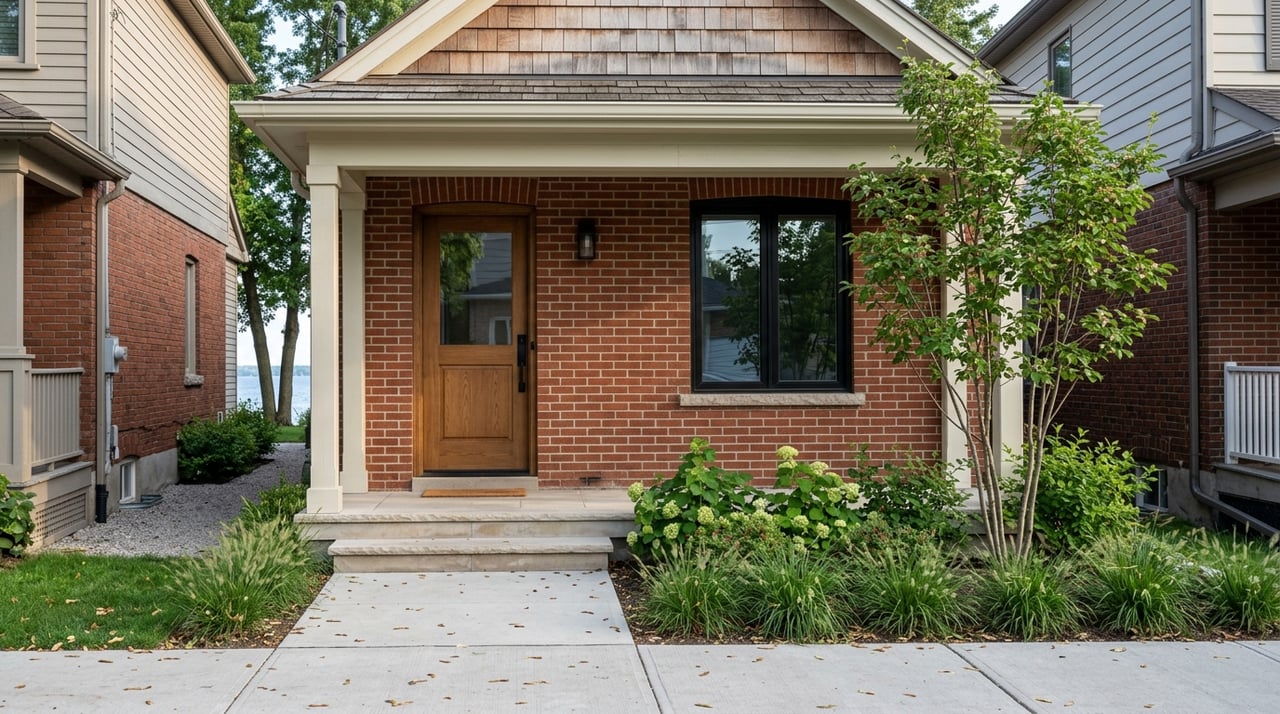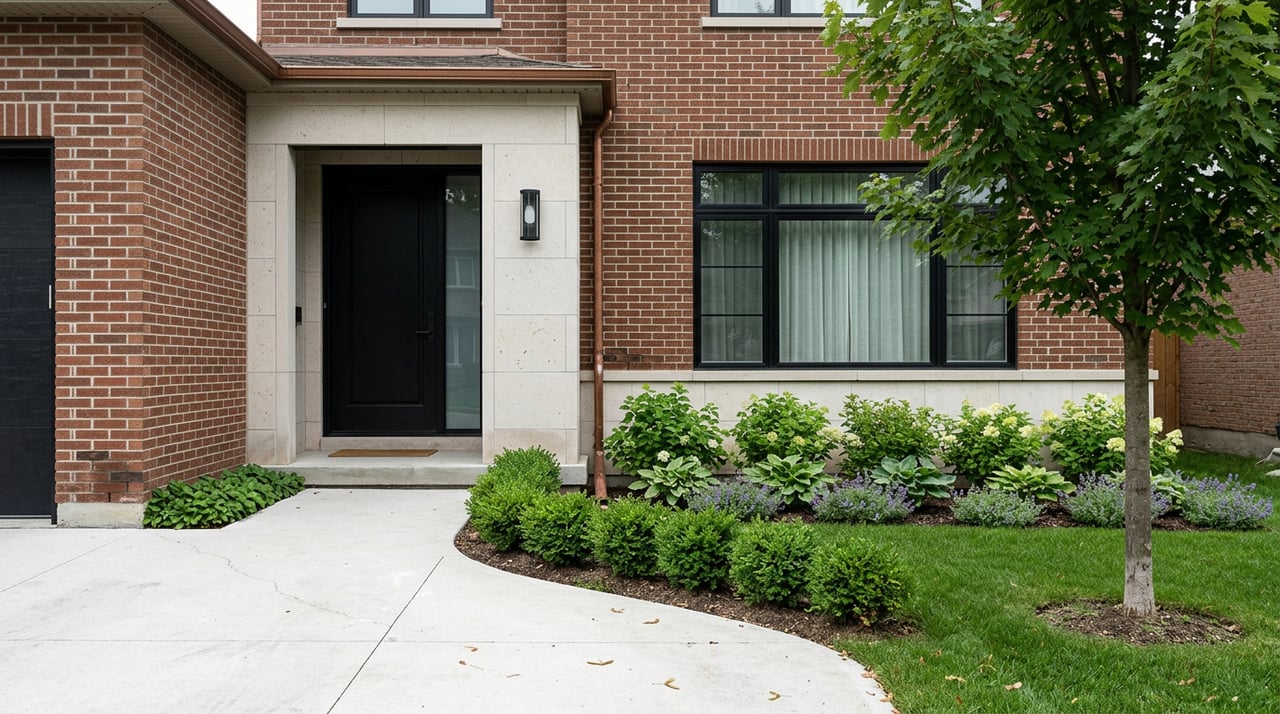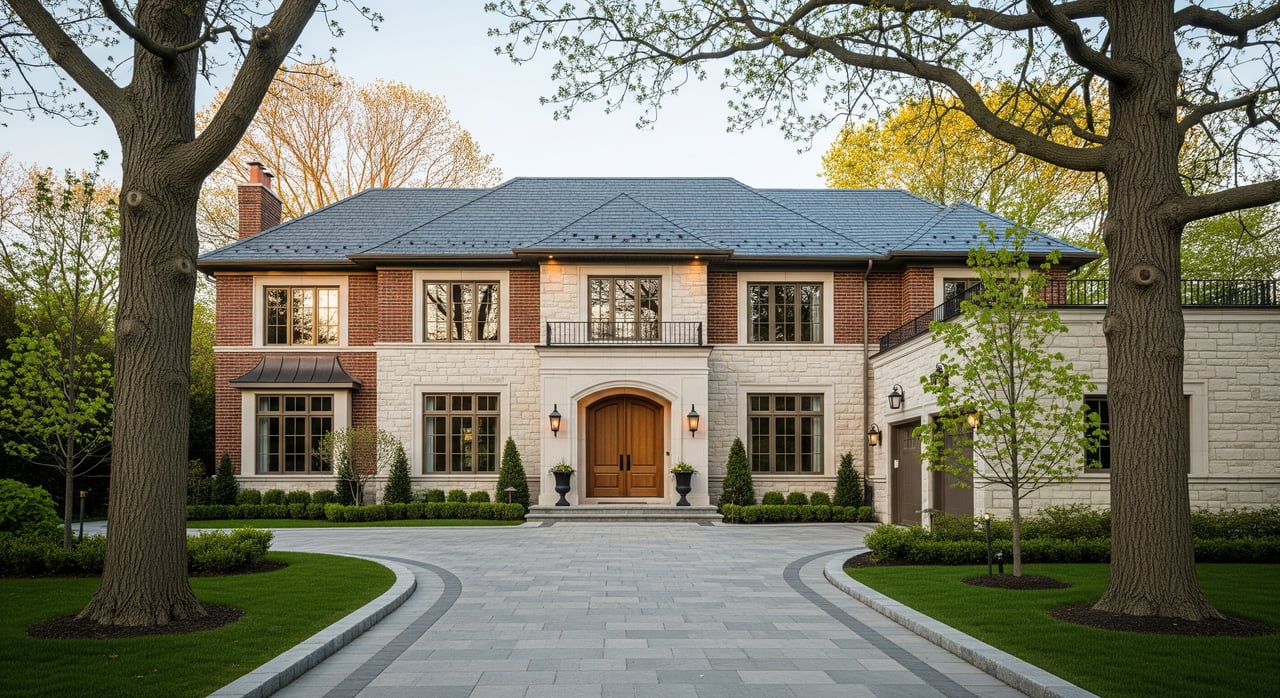
Wondering whether Etobicoke or South Mississauga is the better fit for your next move? It is a smart question, especially when both areas offer strong lifestyle appeal, access to the lake, and relatively close price points. If you are weighing commute, home style, monthly carrying costs, and long-term plans, this guide will help you compare the tradeoffs more clearly. Let’s dive in.
Compare Prices First
If you are starting with budget, the gap between these two markets is not dramatic at a high level. TRREB’s January 2026 market watch shows Toronto West at an average price of $924,557 and a median of $800,000, while Mississauga came in at an average of $943,607 and a median of $838,700.
That tells you one important thing right away: Etobicoke and South Mississauga sit in a similar price band overall, with Mississauga trending slightly higher in broad market benchmarks. These figures are best used as market guideposts, not exact neighbourhood comps, because public data is reported at wider area levels.
When you break pricing down by home type, the picture gets more specific. In Q1 2026, Mississauga median prices were higher for detached homes at $1.25 million compared with Toronto/GTA medians of $1.145 million. Semi-detached homes were very close, townhouses were slightly higher in Mississauga, and condo apartments were lower in Mississauga at $495,000 versus $545,000 for Toronto/GTA.
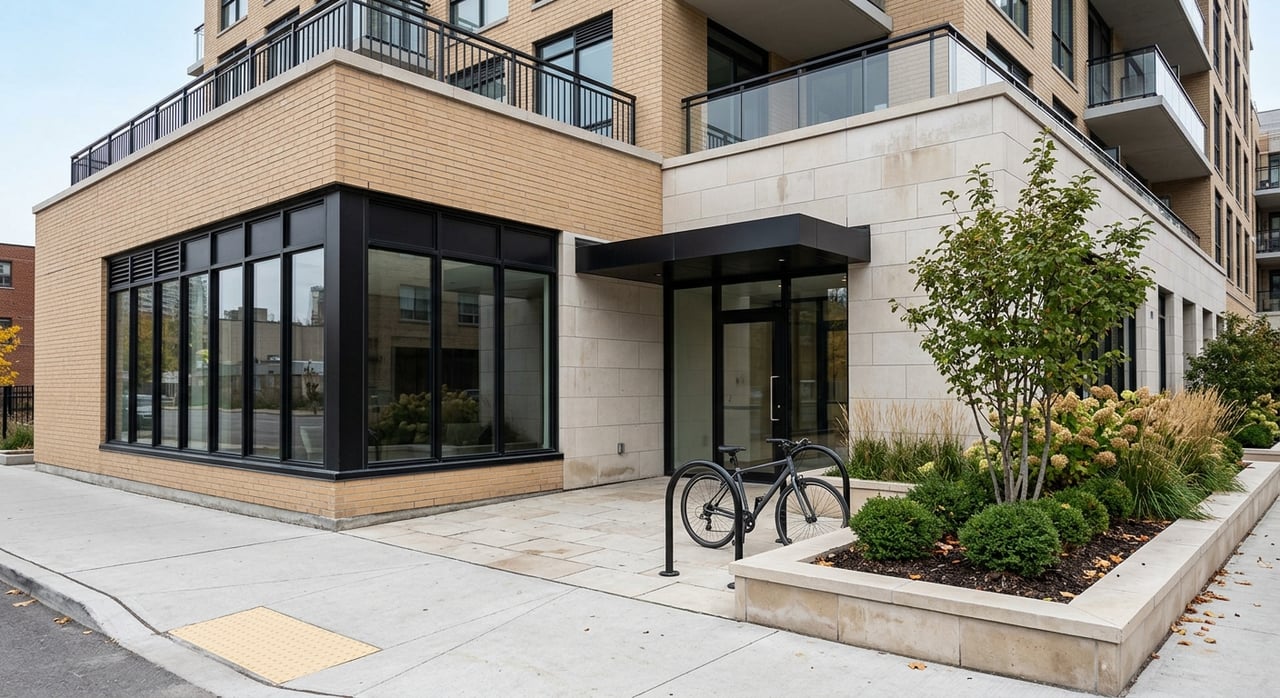
For you, that usually means the decision is less about a huge difference in total market pricing and more about what kind of home you want most. If your goal is a detached home, South Mississauga may require a larger budget. If you are condo-focused, Etobicoke may offer more inventory, while Mississauga may offer lower condo apartment pricing on a broader basis.
Look at Housing Style
Etobicoke Has More Apartments
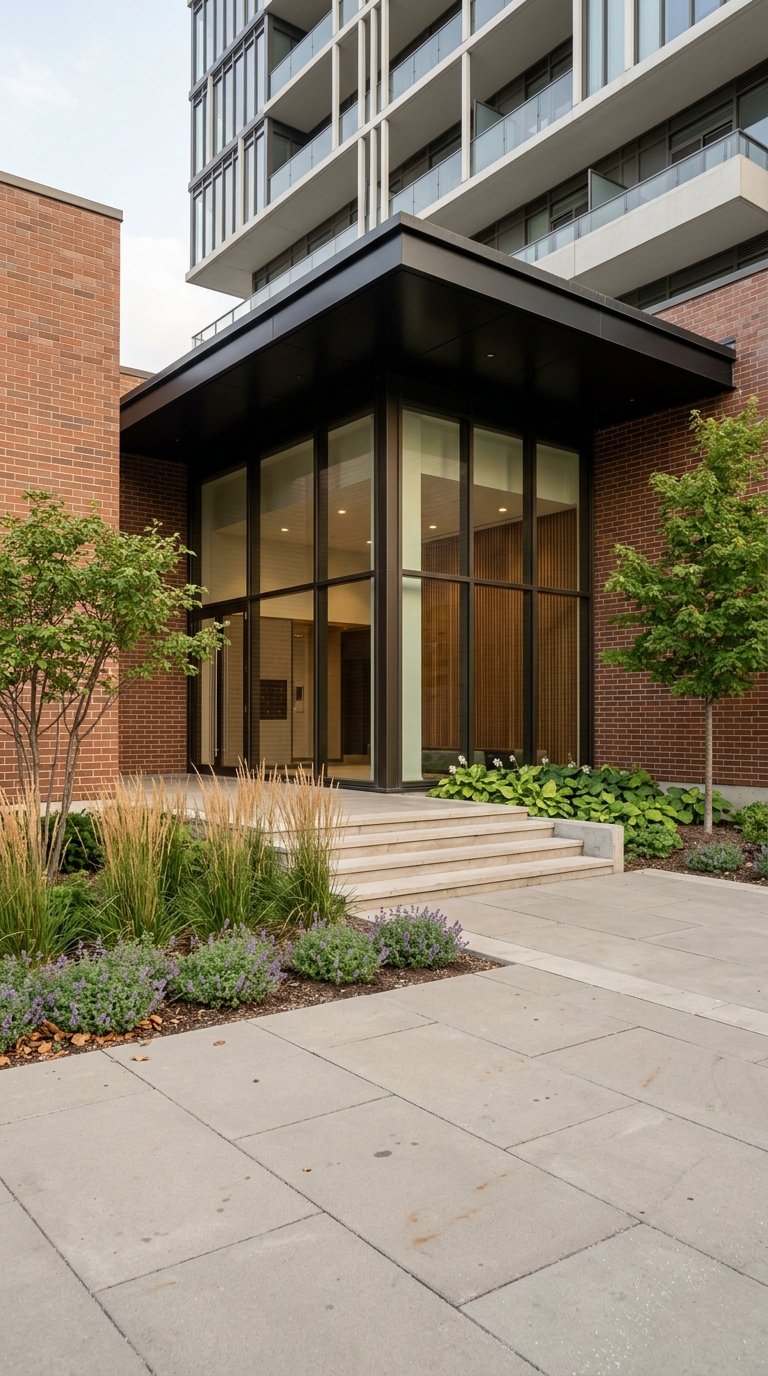
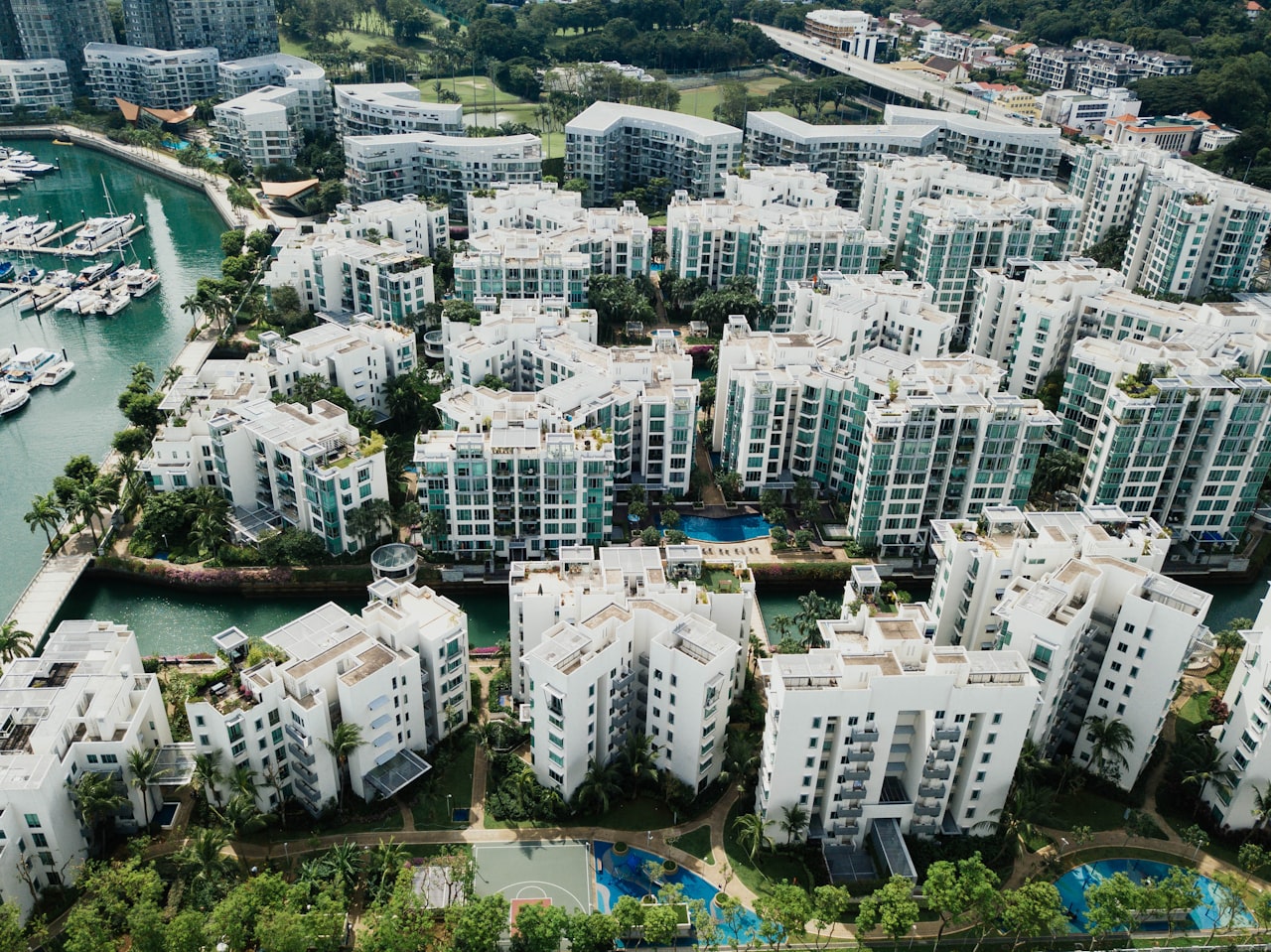
Etobicoke-York has a housing mix that leans heavily toward apartment living compared with many suburban markets. City of Toronto census profiling shows 42.4% of homes are apartments in buildings with five or more storeys, with another 11.6% in apartments under five storeys.
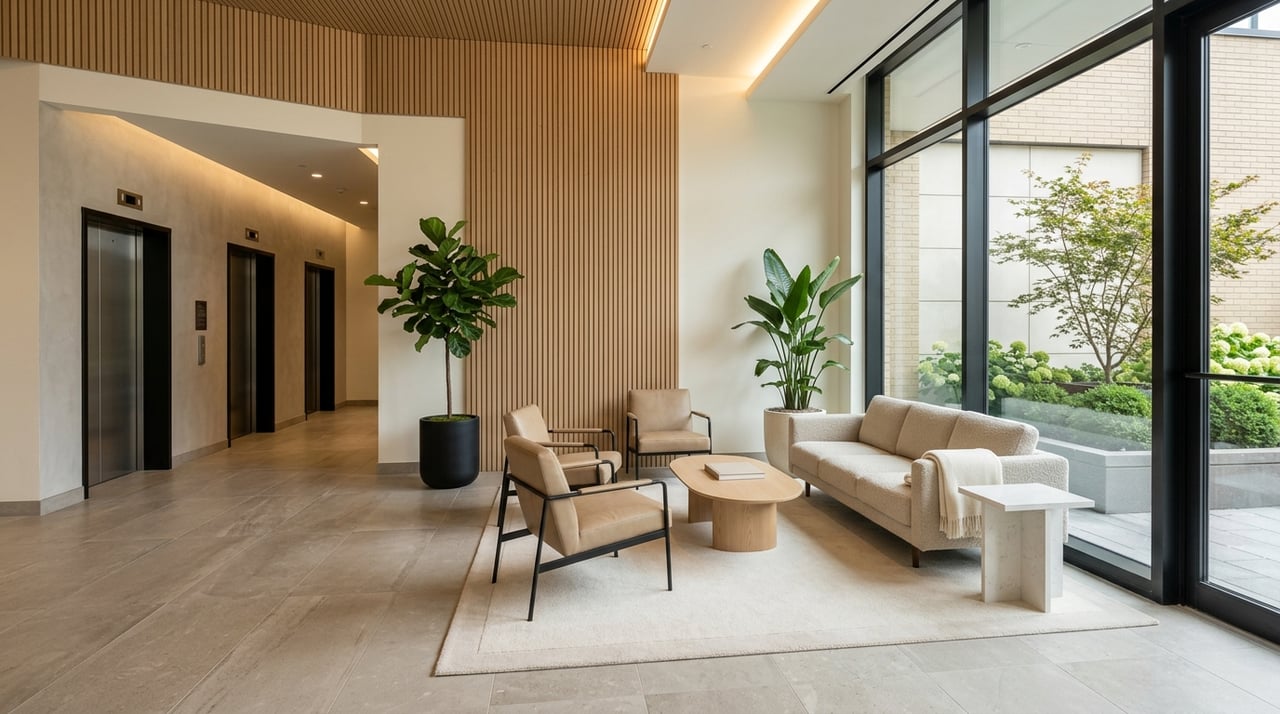
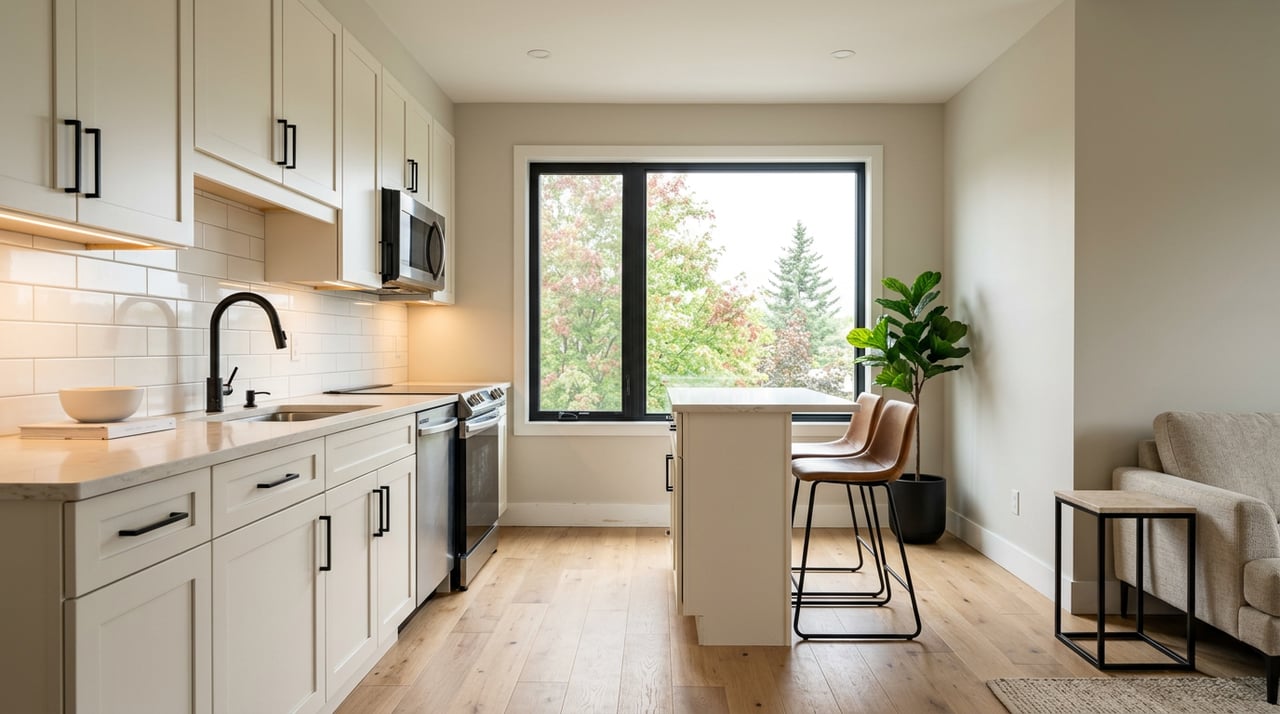
Single-detached homes make up 30.0% of the stock, with smaller shares for semis and row houses. In practical terms, this means Etobicoke gives you more condo and apartment-style options, especially if you want lower-maintenance living or a more urban-suburban blend.
The City of Toronto also describes Etobicoke as a modern post-war suburb shaped by broad roads, separate zoning, and car-oriented planning. So while it carries the advantage of a Toronto address, many pockets can still feel more suburban and auto-dependent than central Toronto.
South Mississauga Has More Detached Homes
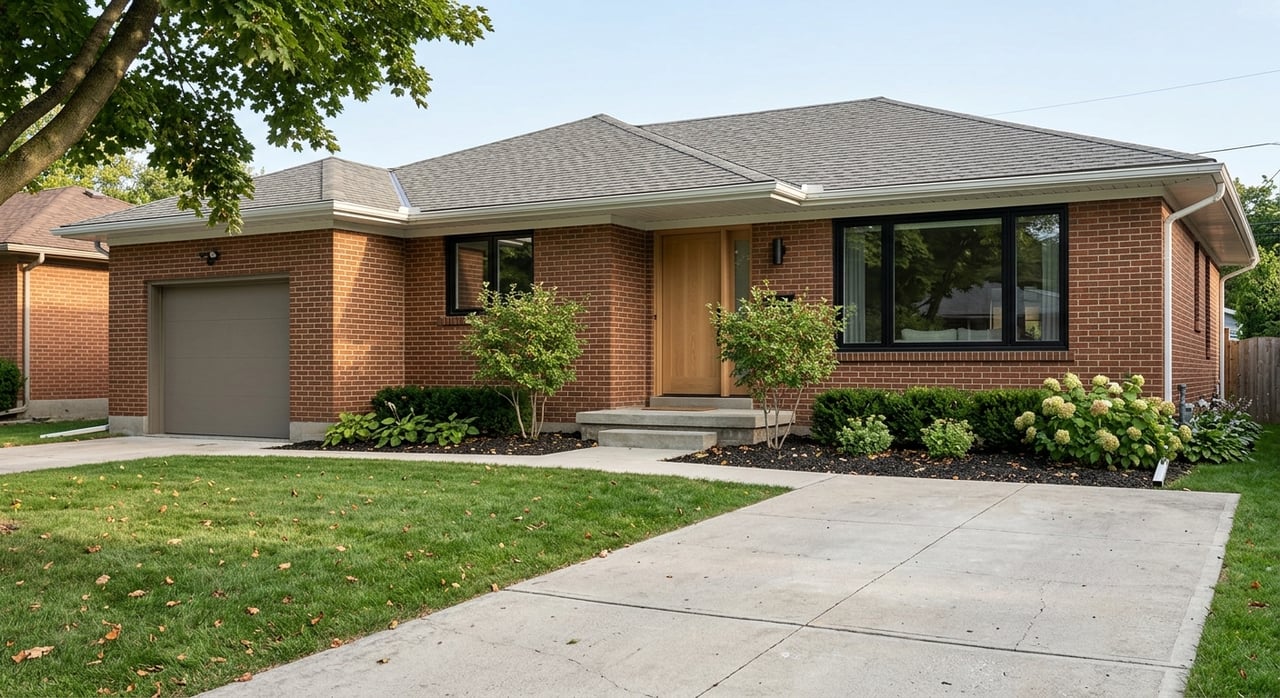
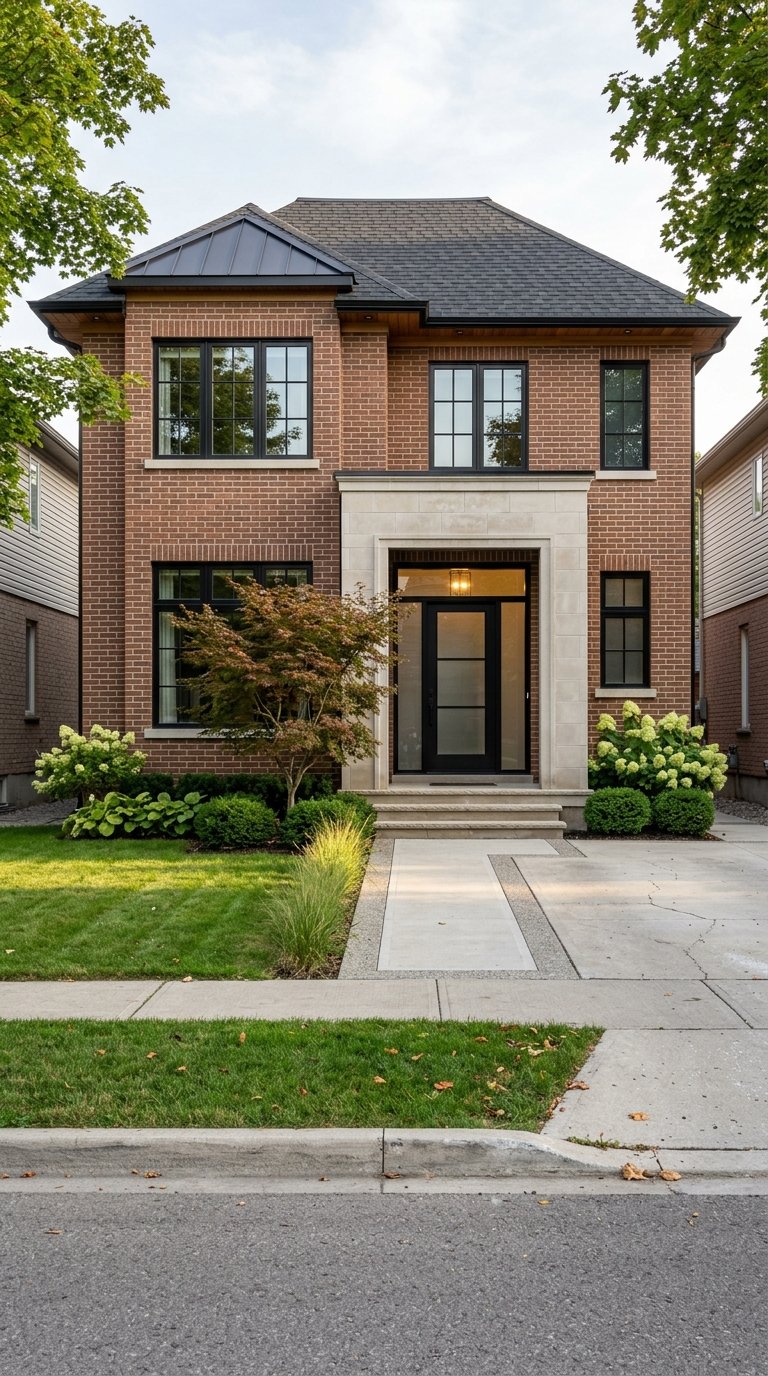
Mississauga remains much more detached-home-heavy overall. A recent City of Mississauga release says detached homes still make up about 70% of the city’s housing stock, even as the city pushes for more housing choice through additional units, garden suites, fourplexes, and mid-rise mixed-use growth.
That matters if you are looking for a traditional house-first market. In South Mississauga, areas like Port Credit, Mineola, Lorne Park, and Lakeview often appeal to buyers who want more lot-oriented housing, established streetscapes, and a range of home types that still skew toward ground-related living.
At the same time, change is happening. Lakeview’s local area plan notes stable neighbourhoods with a variety of housing choices, while the Lakeview Village waterfront redevelopment could add up to 16,000 units over time. If you like the idea of getting into an area with visible long-term transformation, South Mississauga may stand out.
Think About Commute
Etobicoke Favors Subway Access
If your weekly routine depends on Toronto transit connections, Etobicoke has a clear advantage in some locations. Kipling Station serves as a TTC terminus with GO Transit and MiWay connections, giving you subway, regional rail, and bus access in one place.
For many buyers, that kind of transit overlap can make day-to-day travel more flexible. It is especially helpful if you commute across municipal lines or want easier access into Toronto without relying on a full drive.
One note for transit users: Islington Station is undergoing accessibility work through the end of 2026. That is not a deal-breaker, but it is worth factoring into your planning if that stop would be part of your routine.
South Mississauga Offers Strong Regional Links
South Mississauga works well for buyers who want commuter options without needing a subway-focused lifestyle. MiWay is Ontario’s third-largest municipal transit provider and connects with GO Transit, TTC, Brampton Transit, Milton Transit, and Oakville Transit.
Port Credit GO offers MiWay connections and free customer parking, while Clarkson GO connects with MiWay and Oakville Transit. That gives many South Mississauga residents practical rail-based access for commuting east, west, or into Toronto.
The planned Hazel McCallion Line is another major factor. It will run 18 kilometres with 19 stops from Port Credit Station to Brampton Gateway Terminal and is designed to connect with GO Transit, the Mississauga Transitway, Brampton Transit, Züm, and MiWay.
If you are thinking long term, that future line adds another layer to Mississauga’s mobility story. It may not matter as much if your life is centered on the Bloor subway line today, but it is meaningful if you want a growing transit network in Peel.
Weigh Traffic and Daily Flow
Transit is only one part of the equation. Your everyday experience also comes down to how easily you can move through the area by car, on foot, or between local destinations.
In Etobicoke, the broader suburban planning pattern means many areas are shaped around wide roads and driving. That can feel convenient if you are used to suburban travel patterns, but less ideal if you want a more walkable village-style environment.
In South Mississauga, places like Port Credit offer that waterfront village character many buyers love. The tradeoff is that Port Credit’s local area plan also notes peak-period delays on Lakeshore Road, and the Credit River crossing remains a capacity constraint.
So if you are drawn to waterfront energy, cafes, and public lake access, you may accept a little more visible traffic pressure. If your priority is a transit-connected Toronto address with broader city access, Etobicoke may feel more practical.
Compare Carrying Costs
A lot of buyers focus on purchase price and overlook annual ownership costs. Property tax is one area where the difference between these locations is meaningful.
Toronto’s 2026 residential property tax rate is 0.767311%, while Mississauga’s is 1.087901%. On a home assessed at $1 million, Mississauga works out to about $3,206 more per year.
That does not mean one choice is automatically better than the other. It does mean you should look beyond the headline purchase price and think about your full monthly and yearly budget. Etobicoke has the lower residential property tax rate, which can improve carrying costs over time.
Match the Area to Your Lifestyle
Choose Etobicoke If You Want
Etobicoke may be the stronger fit if you are looking for:
- A Toronto address
- Better access to the TTC subway network
- More condo and apartment inventory
- A blend of urban convenience and suburban space
- Major green-space anchors like Humber Bay Park and Centennial Park
For professionals who want flexibility between driving and transit, this can be a compelling option. It also works well if lower-maintenance housing is high on your list.
Choose South Mississauga If You Want
South Mississauga may be the stronger fit if you are looking for:
- A more detached-house-heavy market
- Waterfront character in places like Port Credit
- Established residential neighbourhoods with varied housing choices
- Long-term lakefront growth, especially around Lakeview
- More housing flexibility as the city encourages additional units and other forms of gentle density
This side of the border often appeals to buyers who want a more classic suburban home base with strong local identity. It can also be a smart choice if you are planning for your next chapter and want room to adjust as your needs change.
A Simple Way to Decide
If you feel stuck between the two, try narrowing your decision to three questions.
First, what home type matters most to you? If it is a condo or apartment, Etobicoke may give you more choice. If it is a detached home and a more house-oriented market, South Mississauga may align better.
Second, how do you commute most often? If subway access is central to your routine, Etobicoke has an edge. If GO access, regional transit, and future Peel transit growth matter more, South Mississauga deserves a hard look.
Third, what kind of daily setting feels right? Some buyers want a Toronto address and fast transit connections. Others want waterfront character, more detached housing, and a neighbourhood feel rooted in South Mississauga’s lakeside communities.
In many cases, there is no universally better answer. There is only the better fit for your budget, routine, and long-term plan.
If you are comparing Etobicoke and South Mississauga, the right guidance can save you time and help you focus on the homes that truly match your goals. The Larose Team offers relationship-first support for buyers, sellers, rentals, and downsizing transitions, with deep local expertise across South Mississauga and selective reach into Etobicoke.
FAQs
What is the price difference between Etobicoke and South Mississauga?
- Broad 2026 benchmarks show the markets are close overall, with Mississauga slightly higher on average and median price measures.
Is Etobicoke or South Mississauga better for detached homes?
- South Mississauga is generally more detached-home-heavy, while Etobicoke has a larger share of apartment and condo-style housing.
Is Etobicoke or South Mississauga better for commuters?
- Etobicoke can be a stronger fit if you want subway access, while South Mississauga offers strong GO and regional transit connections, plus the future Hazel McCallion Line.
Are property taxes higher in Mississauga or Toronto?
- Mississauga’s 2026 residential property tax rate is higher than Toronto’s, which means higher annual carrying costs on a similarly assessed home.
Is Port Credit easier to navigate than Etobicoke?
- Port Credit offers a waterfront village setting, but its local plan notes peak-period delays on Lakeshore Road and capacity limits at the Credit River crossing.
Which area has more condo options, Etobicoke or South Mississauga?
- Etobicoke has a more apartment-heavy housing mix, so it is generally the stronger option if you want more condo or apartment inventory.