Wondering whether Lakeview still feels like a quiet waterfront neighbourhood or if it is already becoming something very different? If you are thinking about buying, selling, or simply trying to understand where this part of Mississauga is headed, that question matters. Lakeview today offers an established residential feel, everyday access to the waterfront, and a clear wave of future change led by major redevelopment along the shoreline and Lakeshore Road East. Let’s take a closer look.
What Lakeview feels like today
Lakeview is Mississauga’s southeast waterfront neighbourhood in Peel Region, and its identity is shaped by both history and the lake. The City of Mississauga’s March 24, 2026 Lakeview Local Area Plan describes a vision built around public access to Lake Ontario, connected parks and open spaces, and a range of housing choices. Many of the area’s street names also reflect early farm families, which helps explain the neighbourhood’s established character.
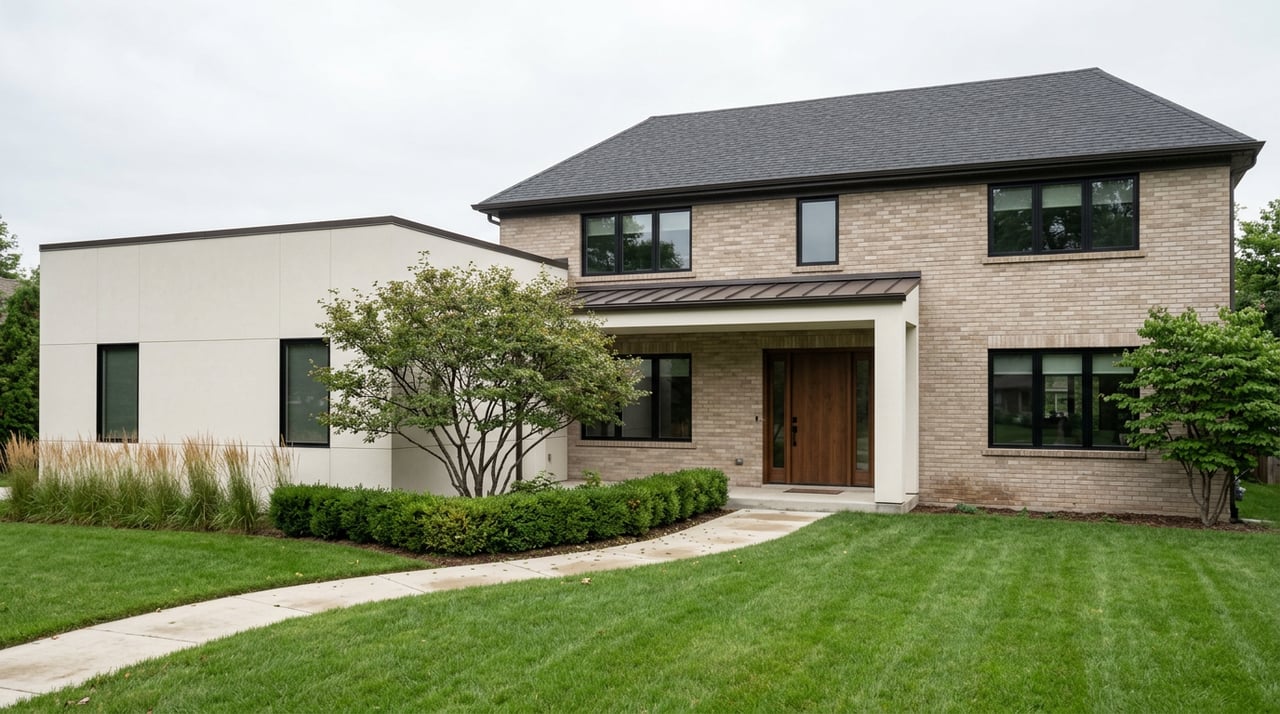
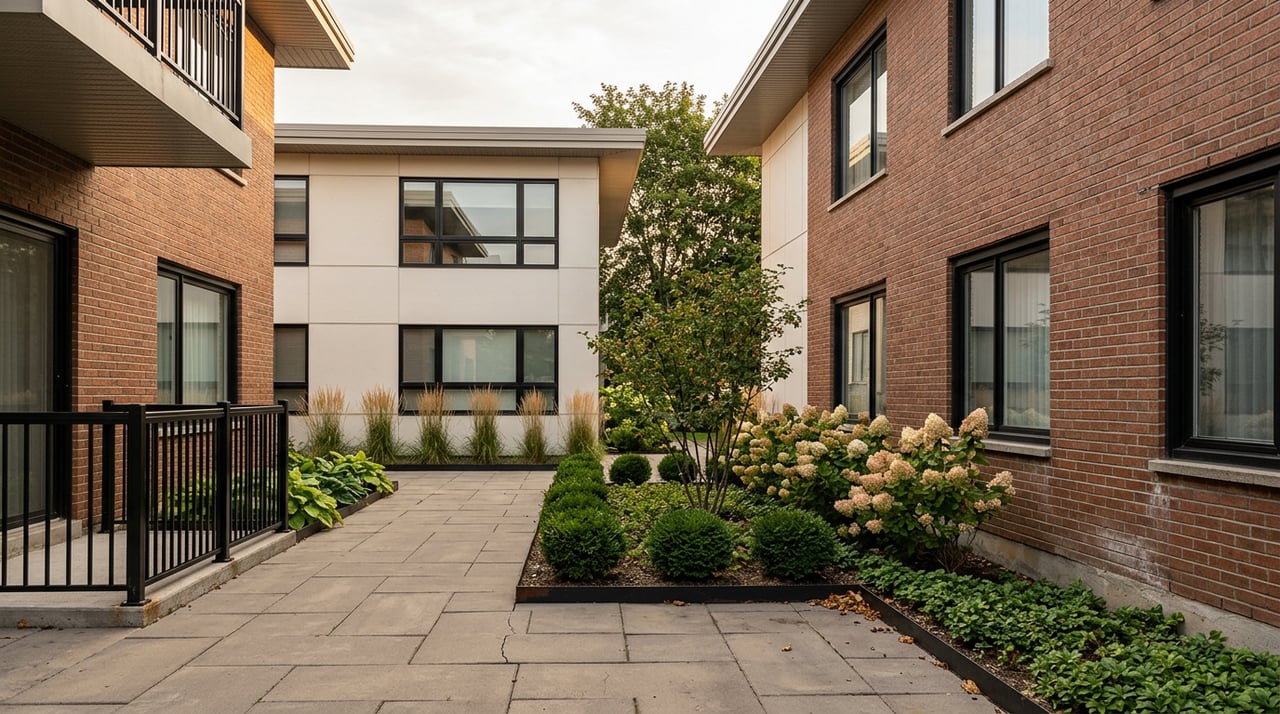
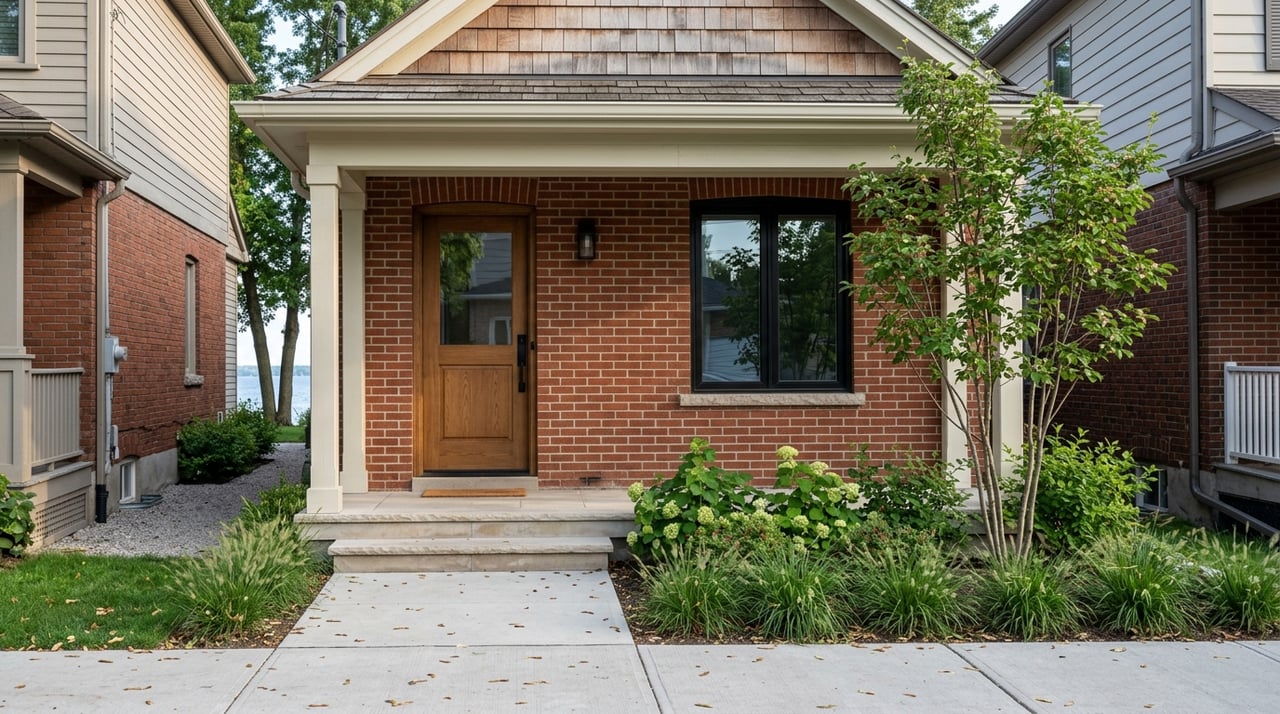
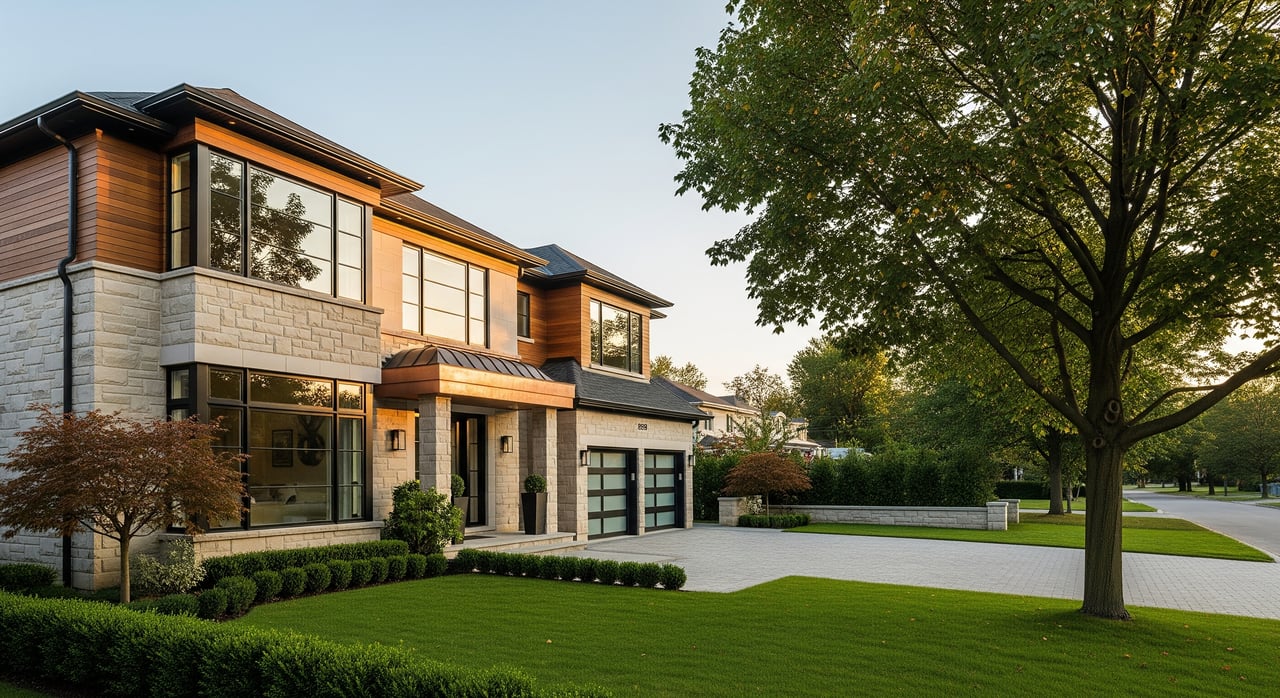
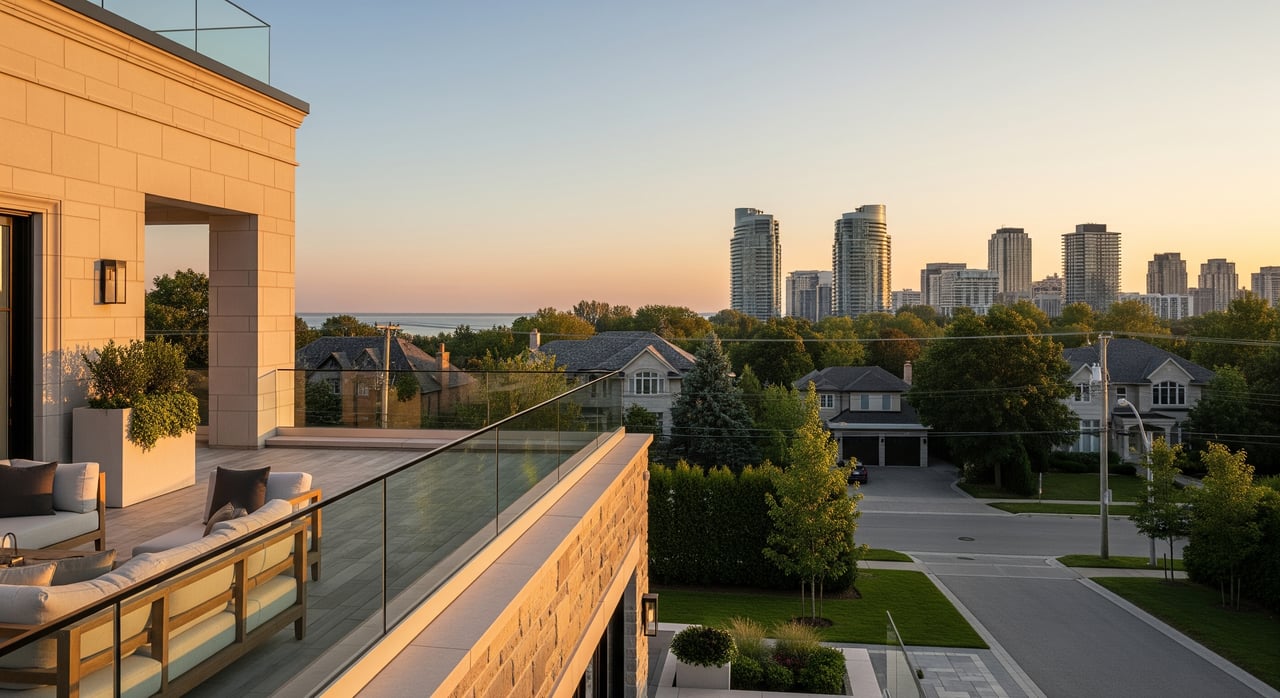
In day-to-day life, Lakeview still reads as a mature community in many areas. Interior residential streets are generally lower scale, while Lakeshore Road East serves as the main corridor with a stronger commercial and mixed-use role. The city’s planning framework clearly separates those patterns, with more pedestrian-oriented development expected along the corridor and gentler transitions in nearby residential areas.
That distinction matters if you are house hunting or preparing to sell. A home on a quieter interior street may appeal to buyers looking for a more traditional neighbourhood setting, while properties closer to Lakeshore Road East may attract interest from buyers focused on access, walkability, and future change.
Housing in Lakeview today
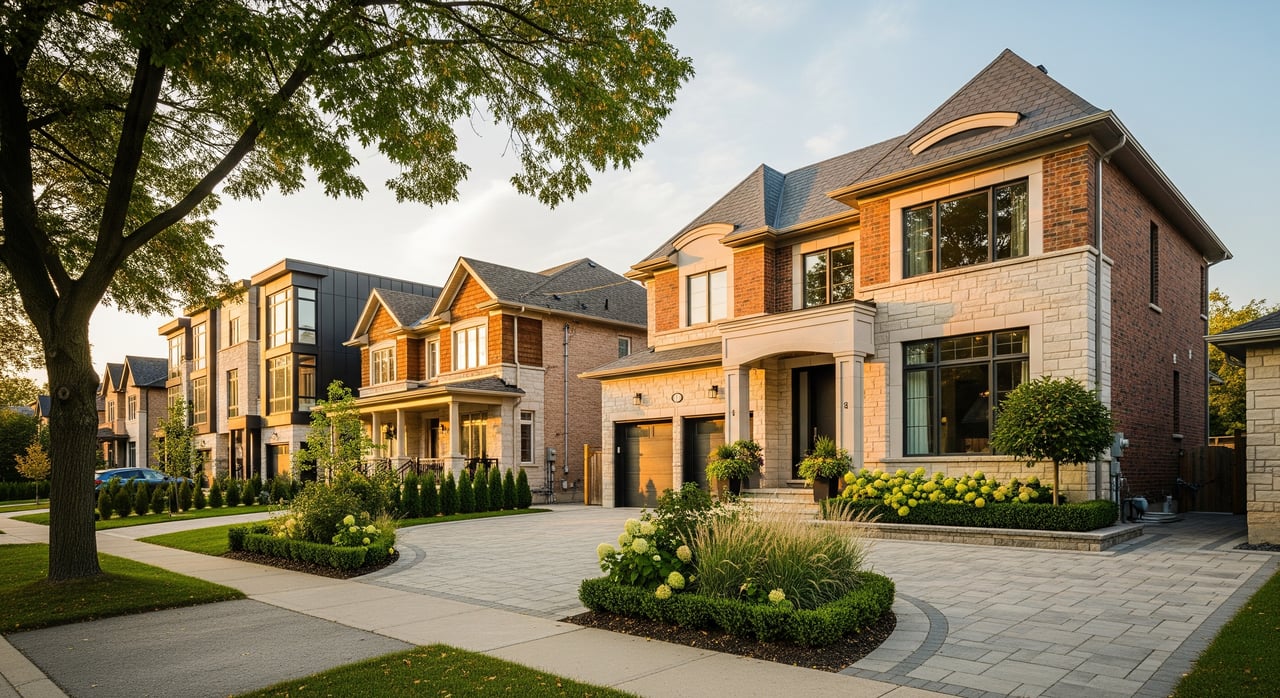
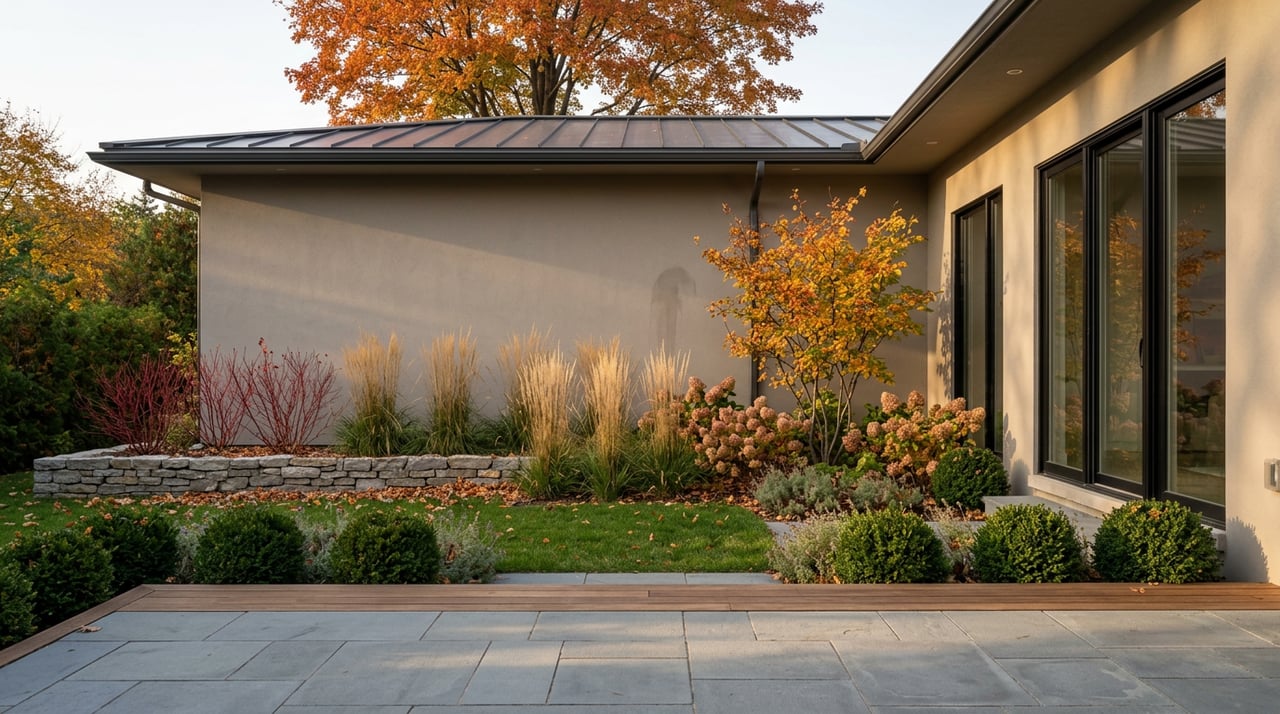
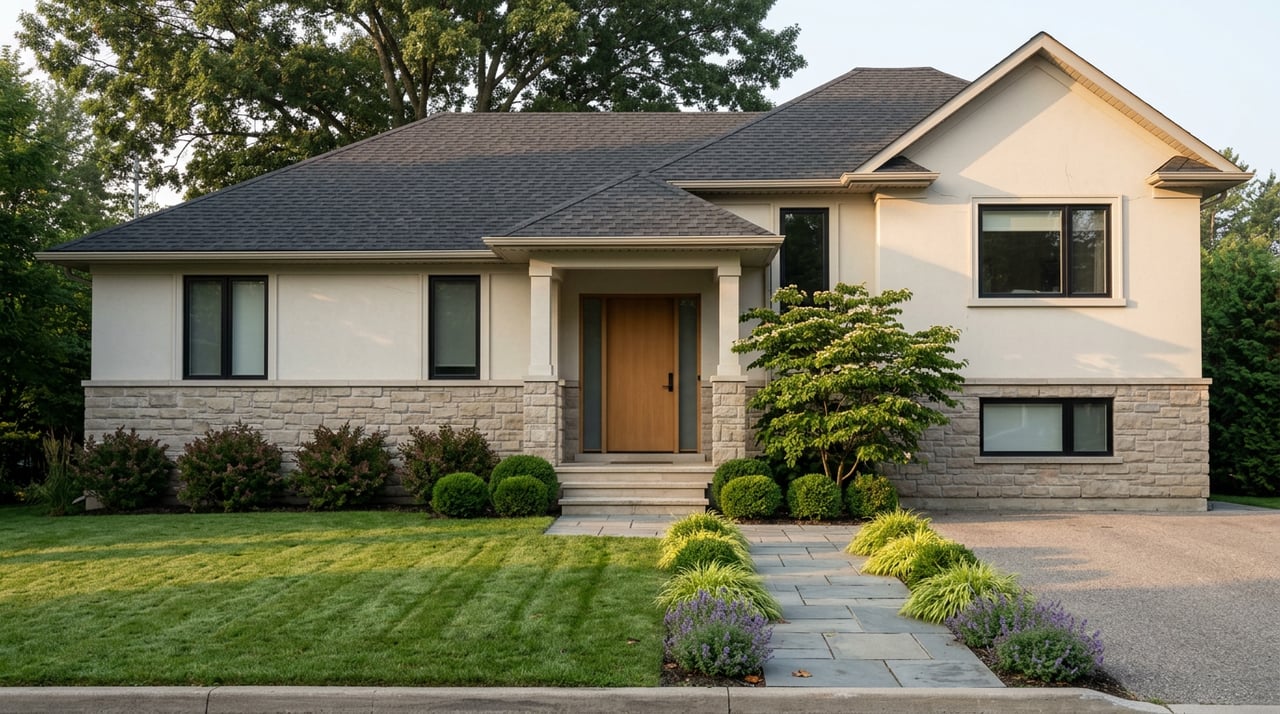
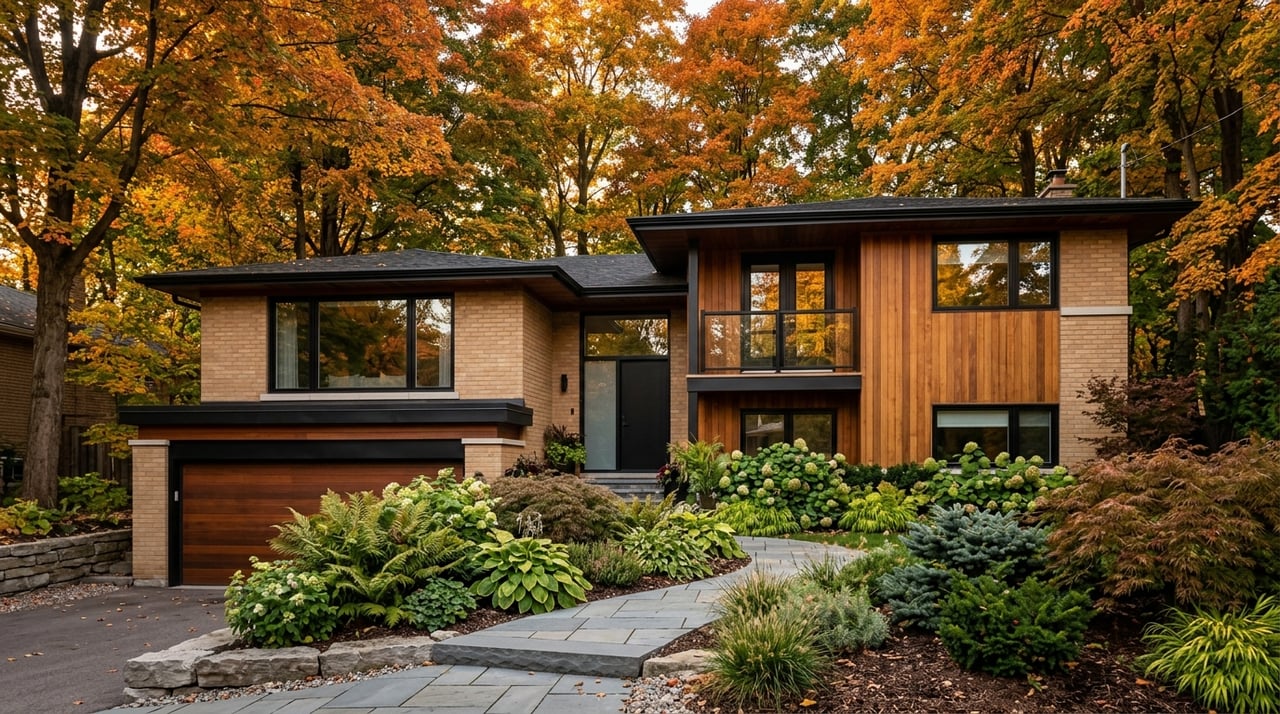
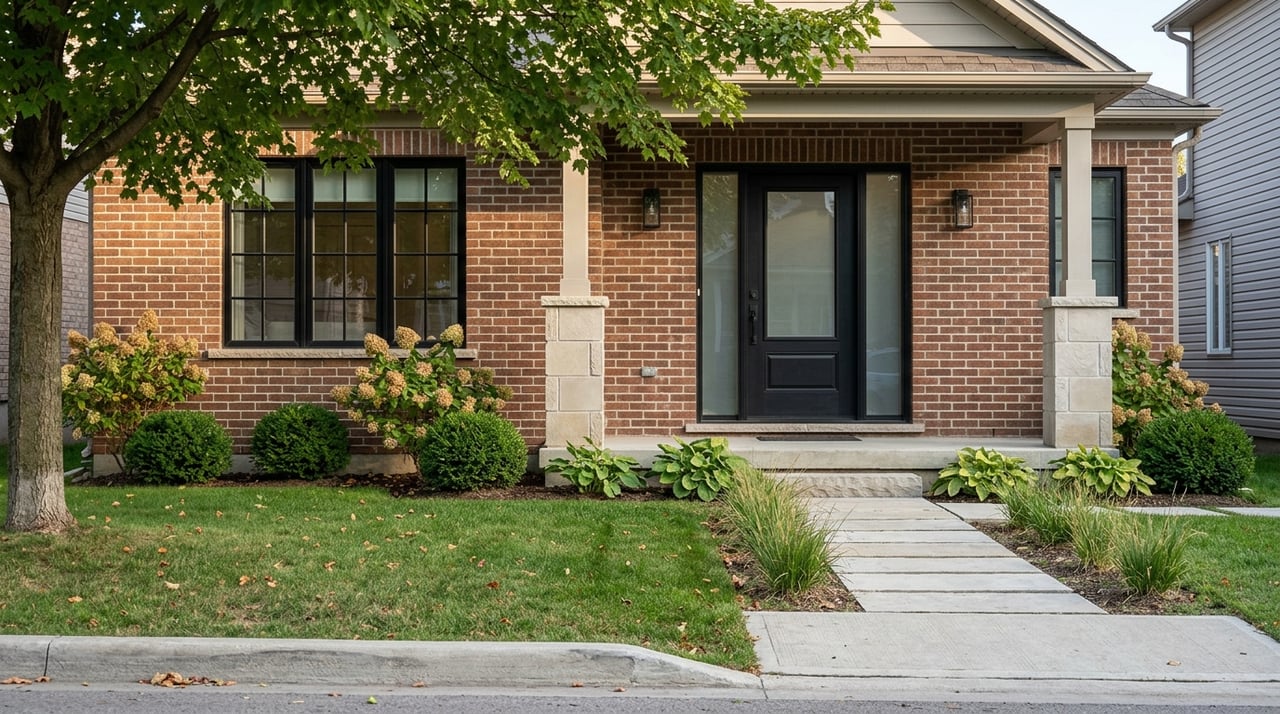
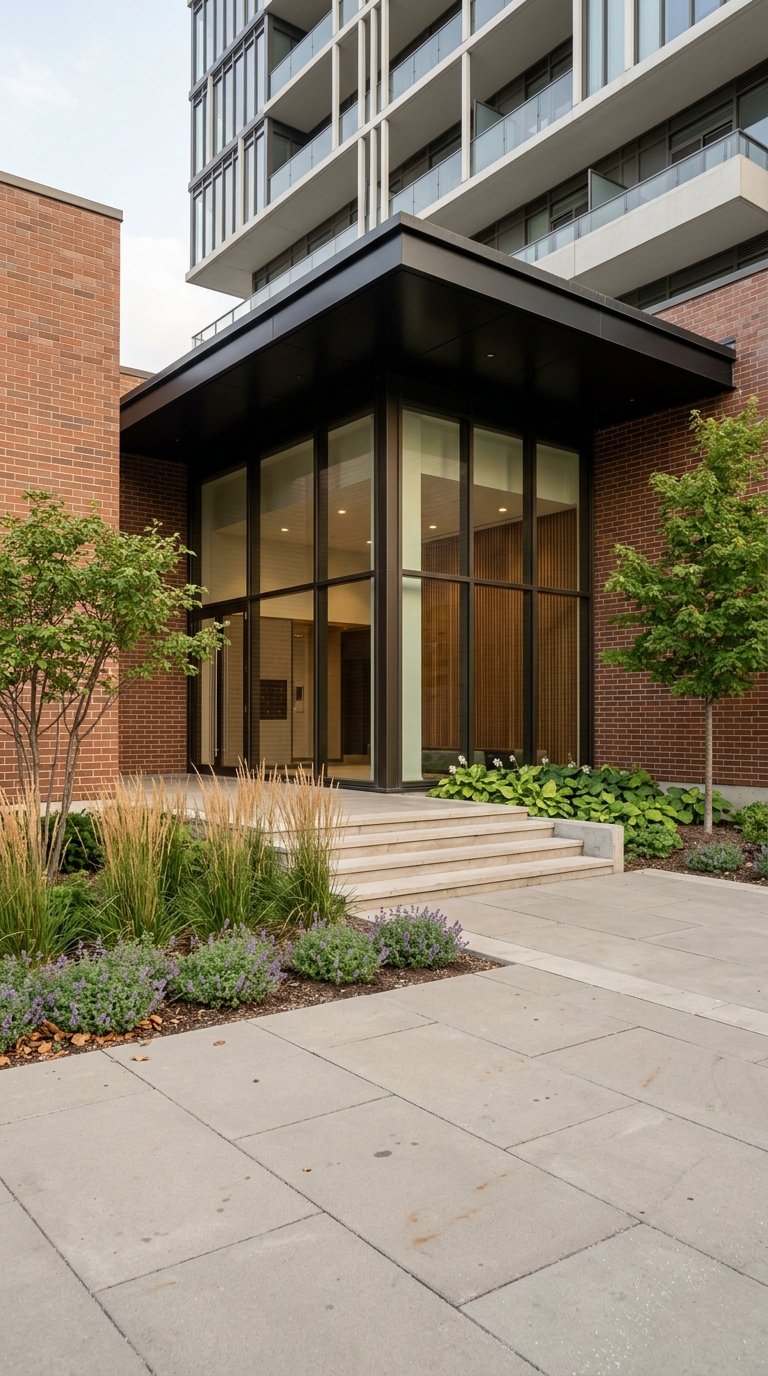
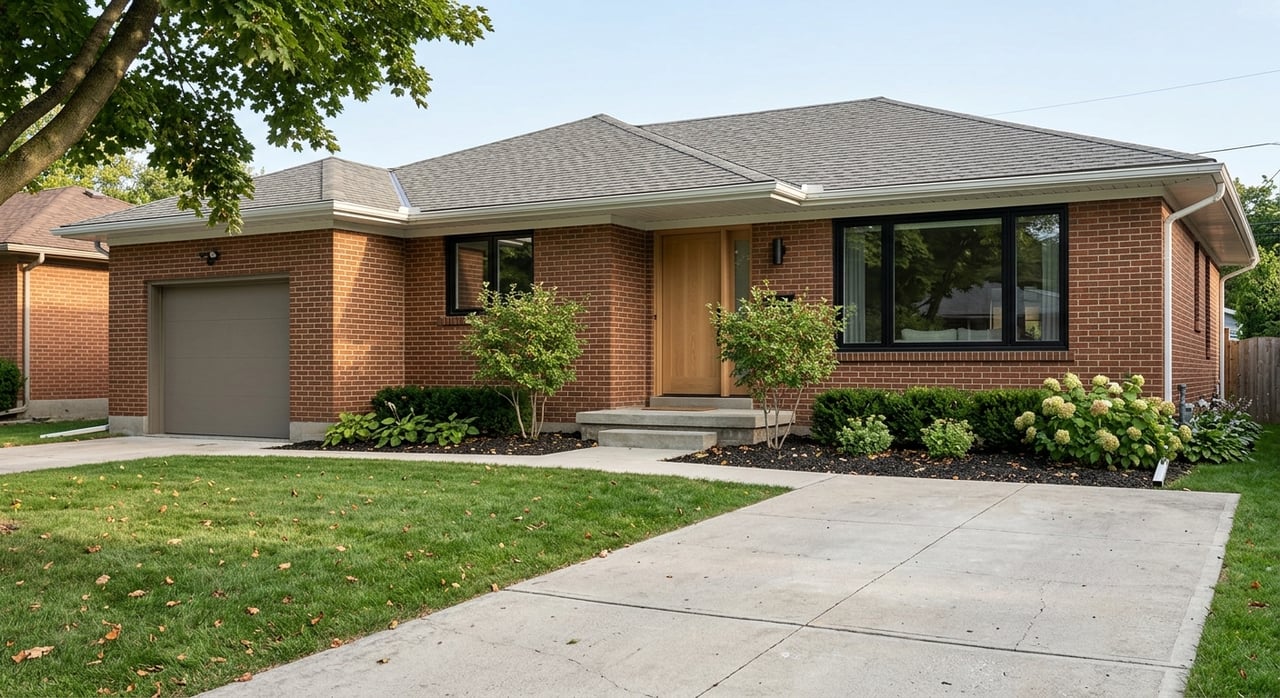
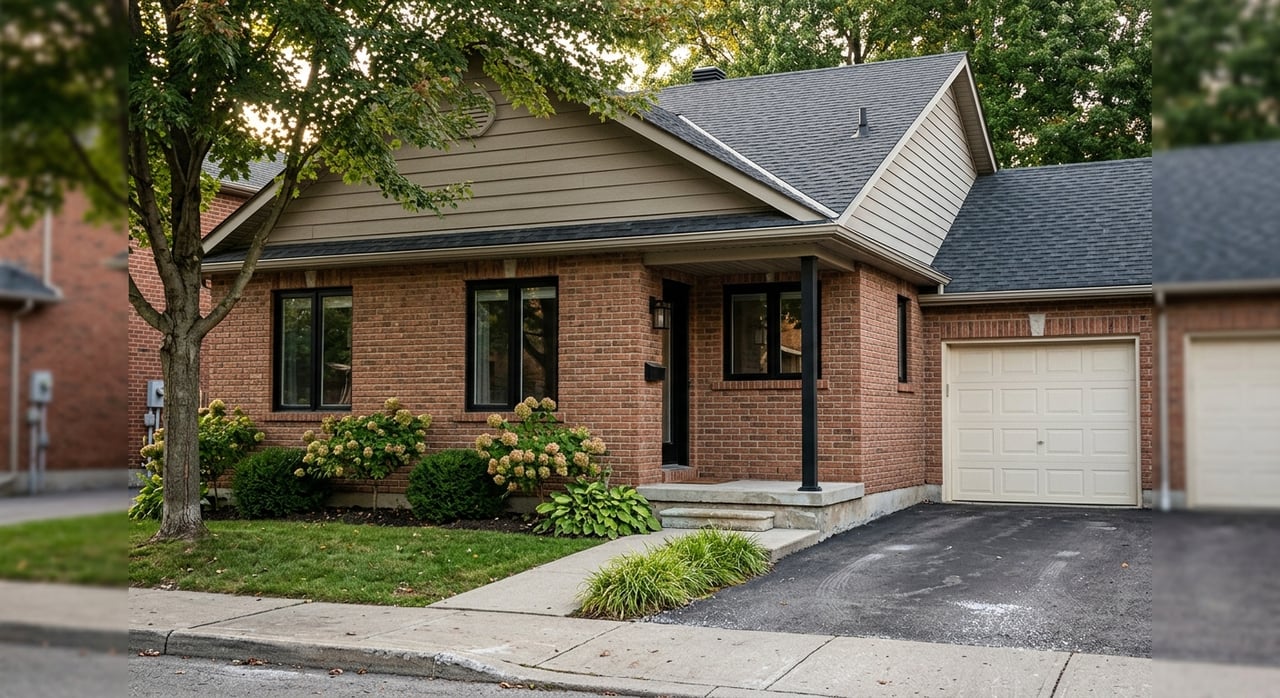
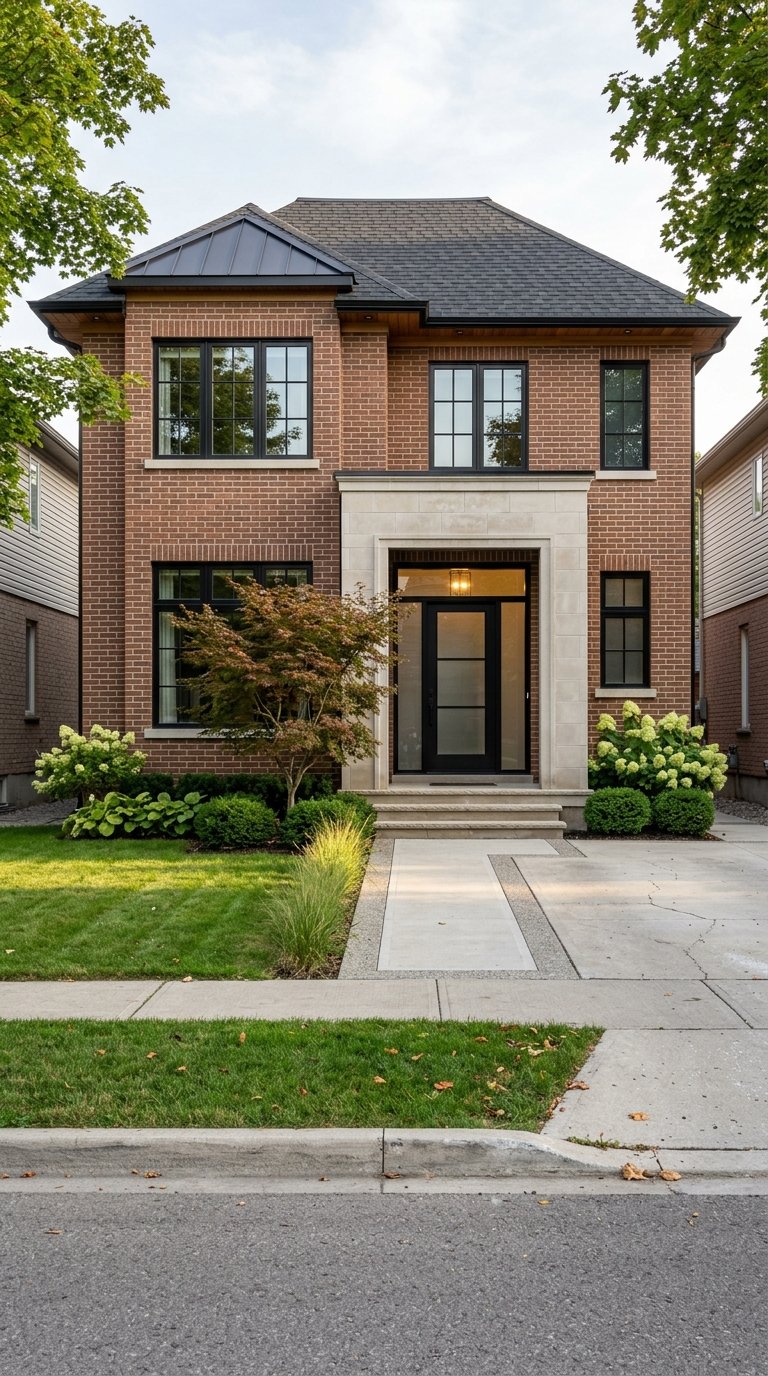
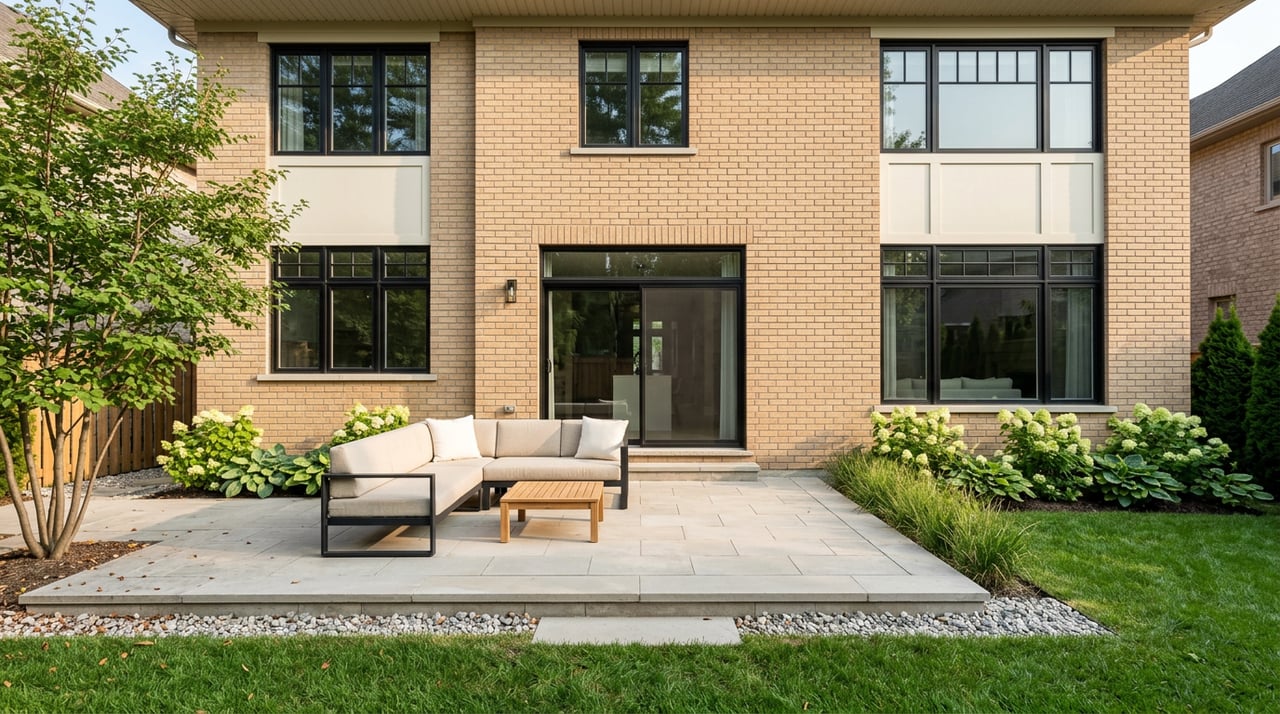
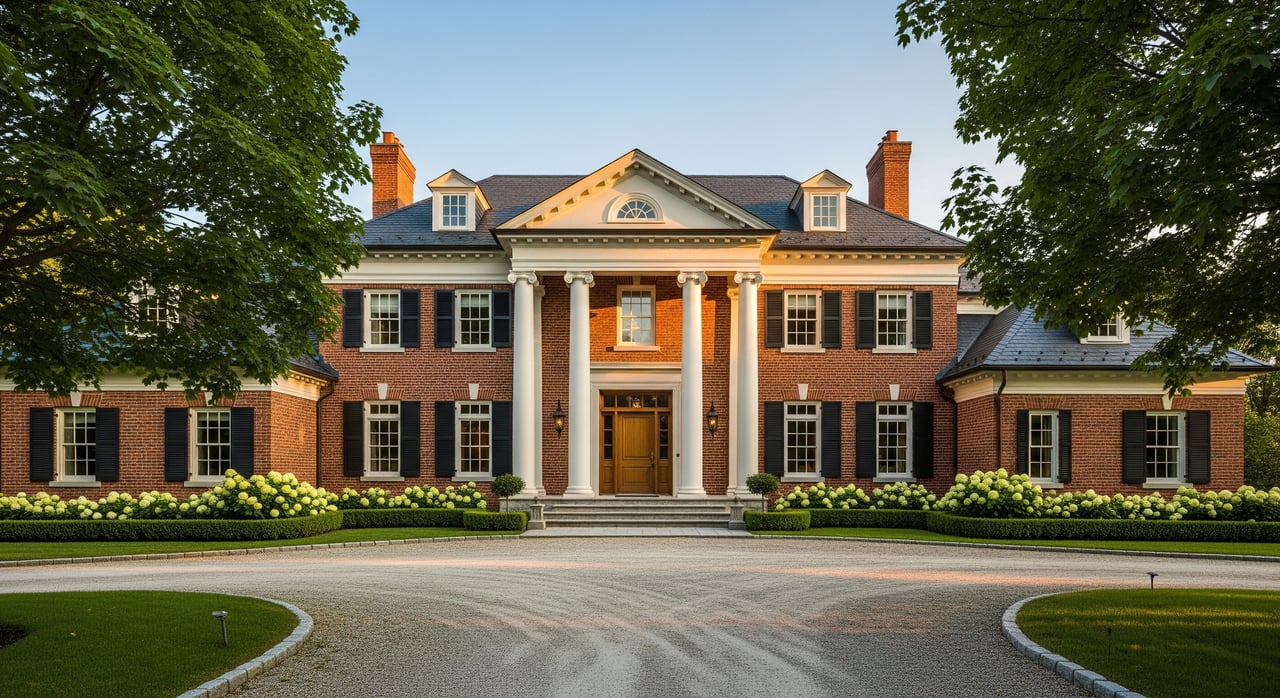
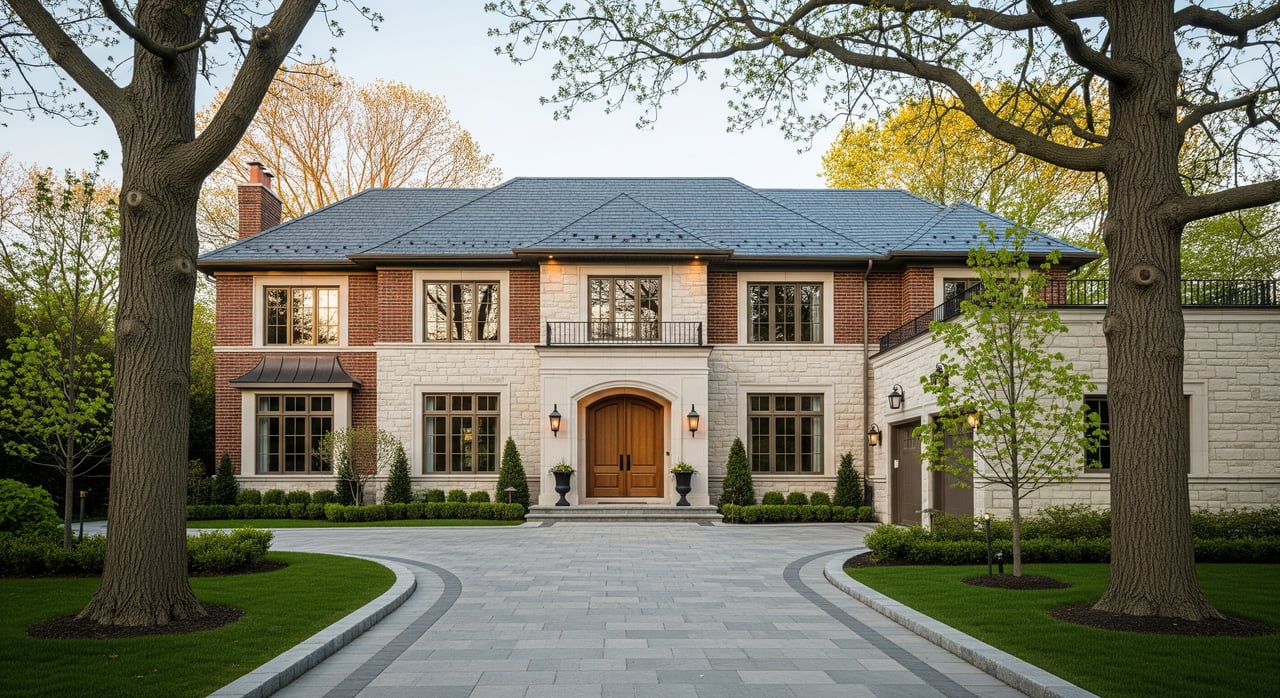
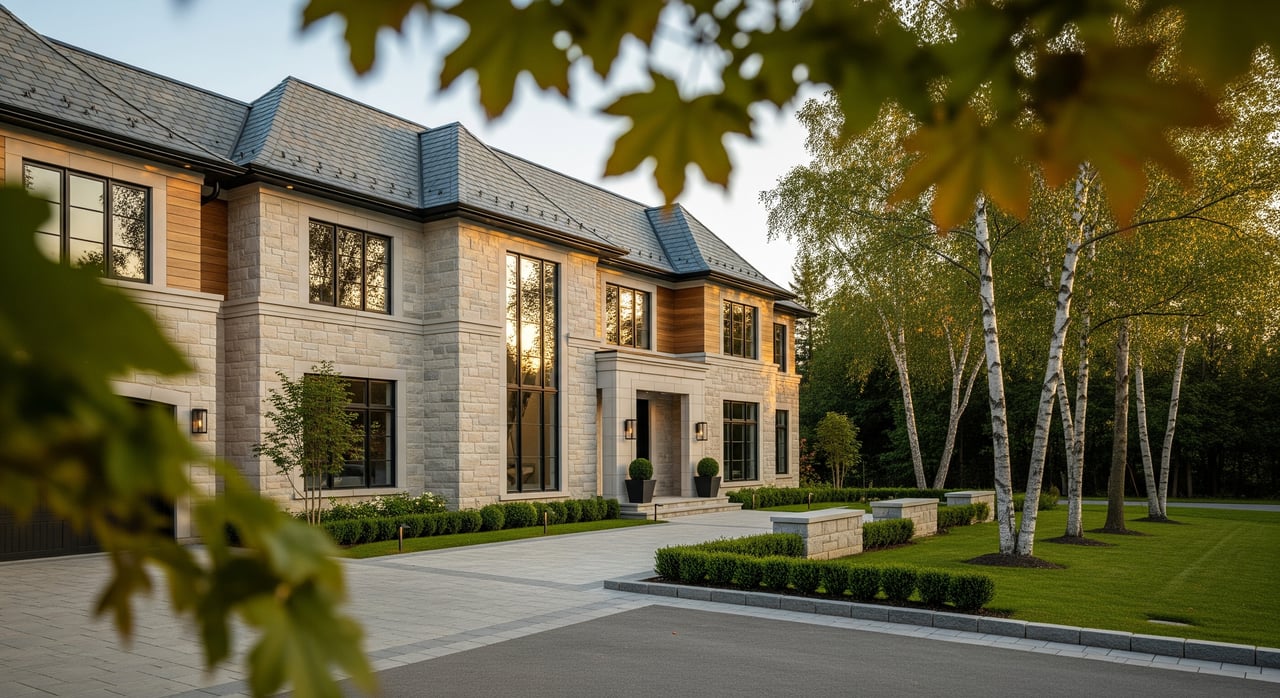
Lakeview is not made up of just one type of home. According to the city, the neighbourhood includes low-rise dwellings and apartments, with many postwar homes being renovated or replaced by detached houses. There are also pockets of townhouse development, and apartment buildings are concentrated mainly near the CN tracks, Cawthra Road, Dixie Road, and Lakeshore Road East.
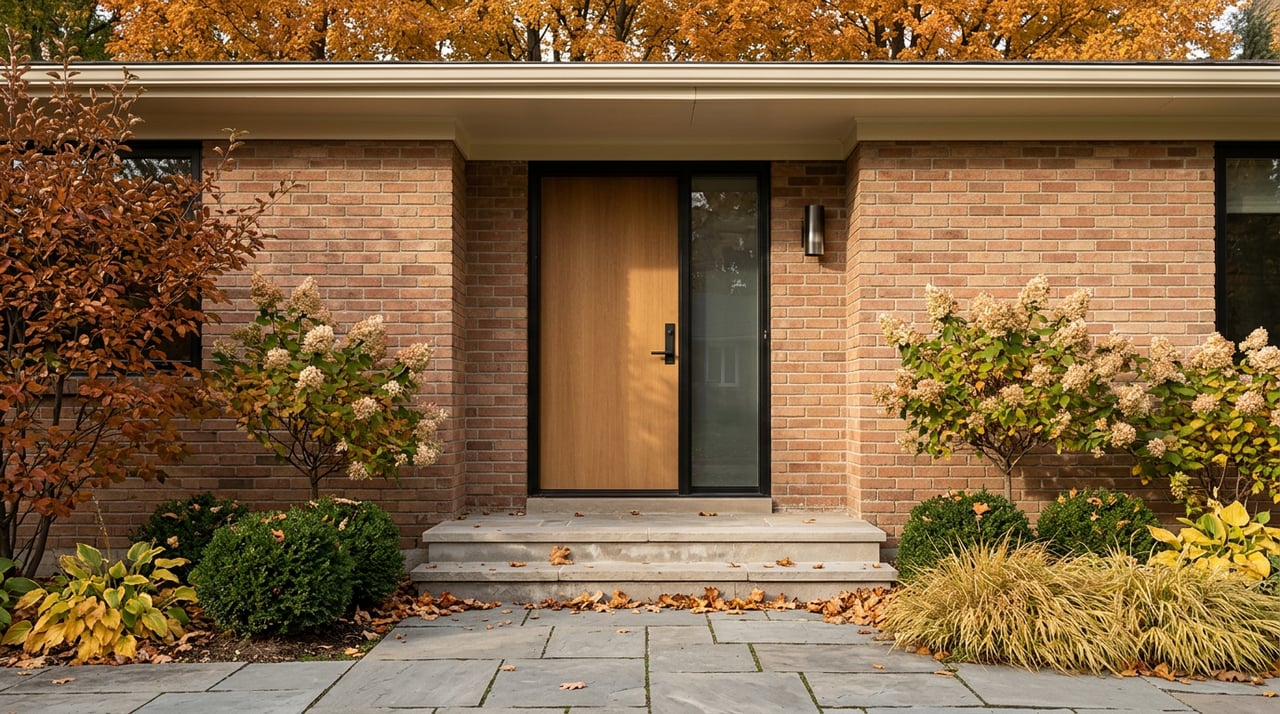
The Local Area Plan breaks Lakeview into several precincts with different housing patterns. The north is mostly detached homes. The central area is mostly detached homes on deep lots, with some semis, apartments, and newer townhouse condominiums.
The south has the widest mix. There, you can find detached homes, semis, duplexes, triplexes, quadruplexes, townhouses, and apartment clusters. For buyers, that means Lakeview offers more variety than many people expect. For sellers, it means your home is part of a neighbourhood with several distinct micro-markets rather than a single uniform housing story.
Waterfront lifestyle and local amenities
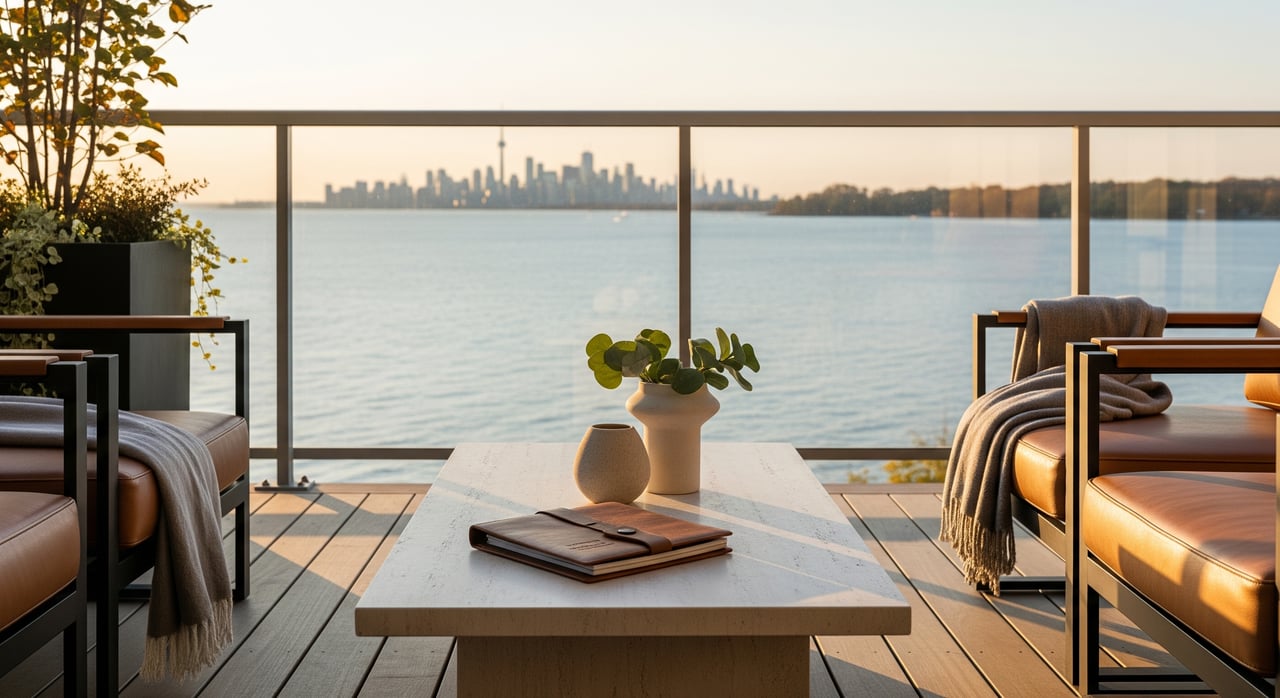
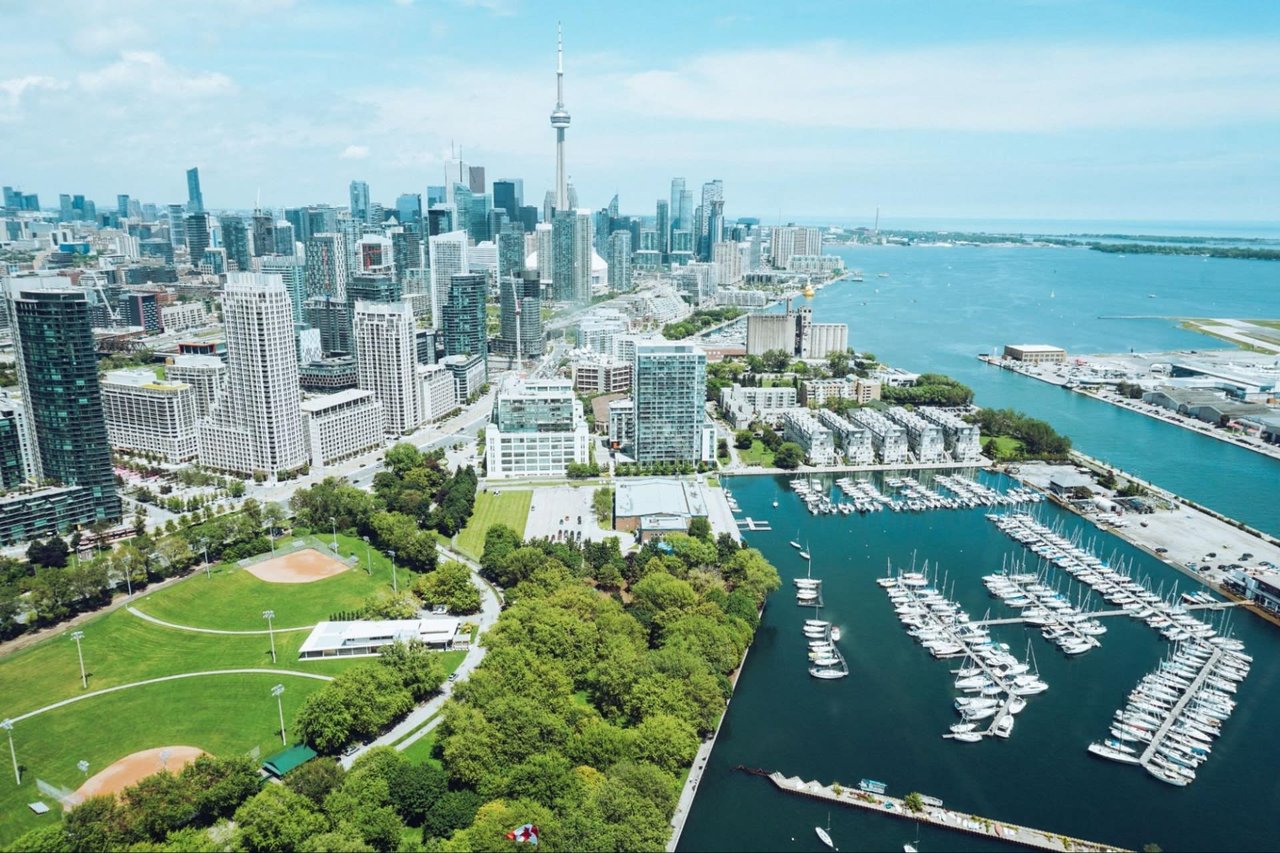
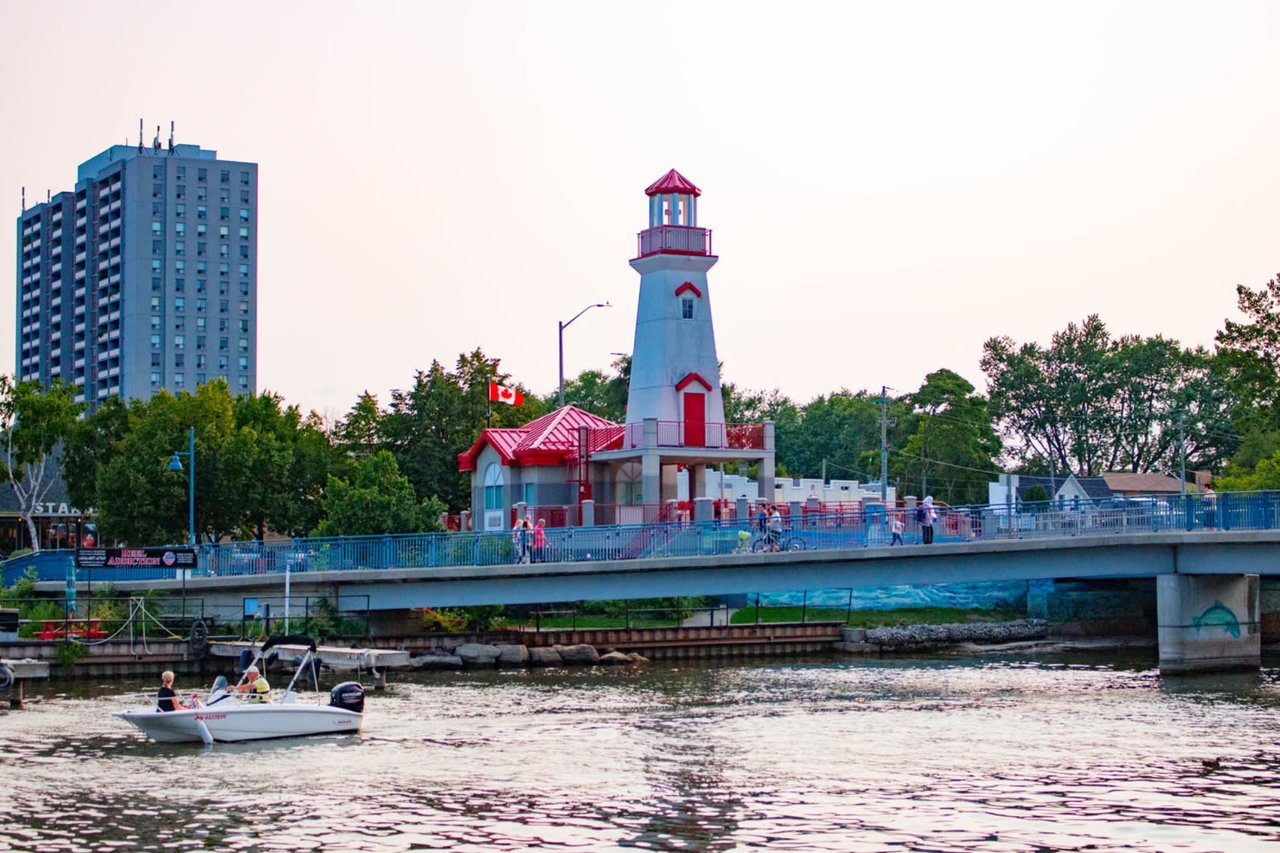
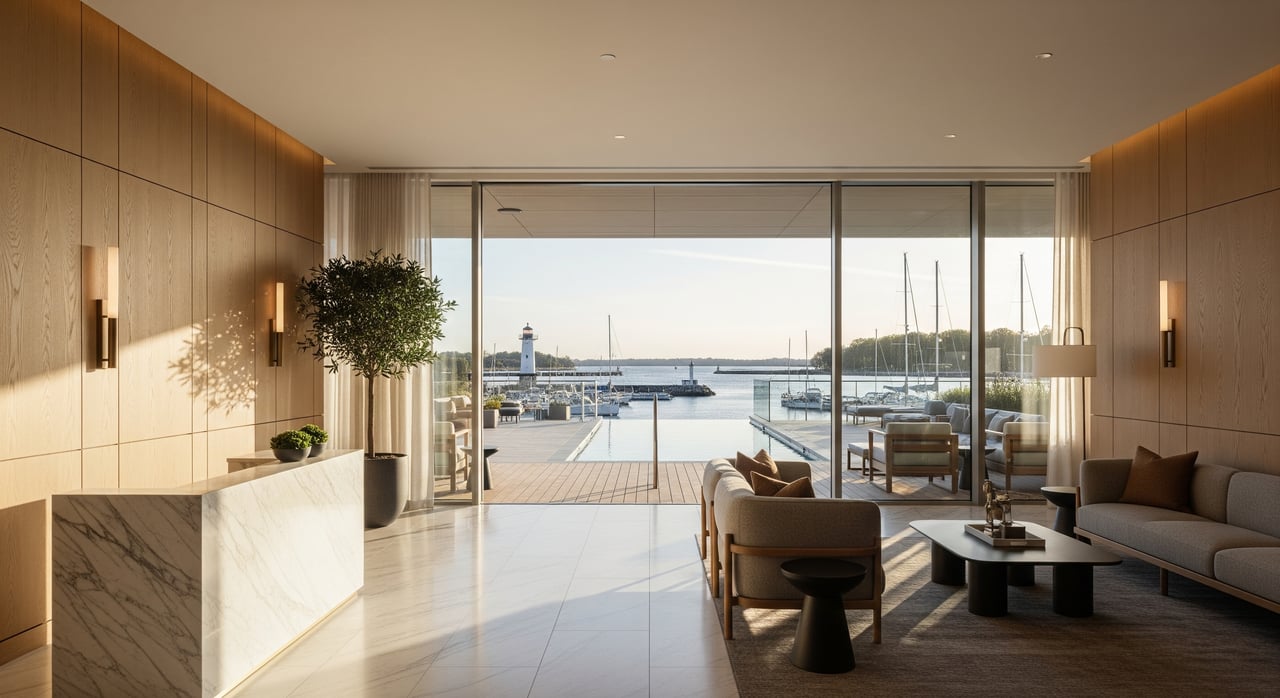
One of Lakeview’s biggest strengths is that the waterfront is not just a backdrop. It is part of daily life. Lakefront Promenade Park is open daily from dawn to 11 p.m. and includes a waterfront pathway, sand beach, beach volleyball, a splash pad, and a playground.
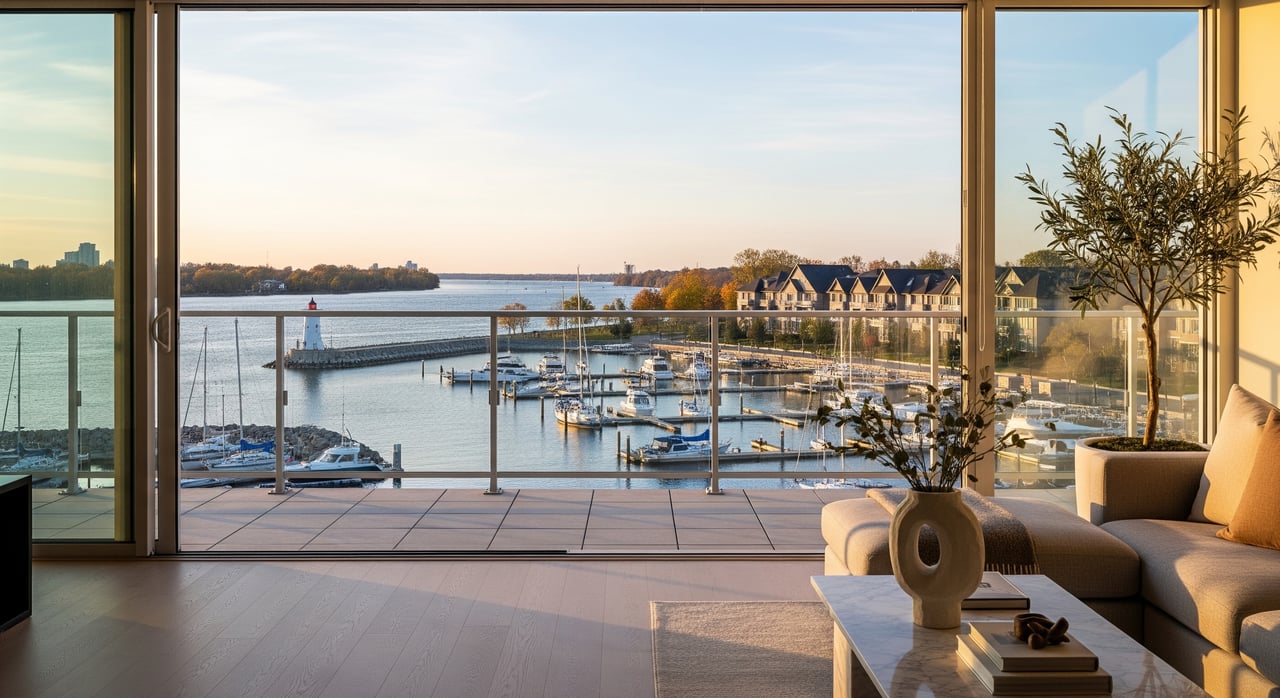
If you enjoy getting on the water, Lakeview also has strong boating connections. Lakefront Promenade Marina has 175 slips and sits in a protected harbour beside the park. Nearby boating amenities also include the Mississauga Sailing Club and the Port Credit Yacht Club.
The marina adds another layer to the area’s lifestyle appeal. In 2026, it operates a seasonal outdoor licensed eatery and patio, which gives residents and visitors a casual waterfront dining option during the warmer months.
Lakeview also has several long-standing community anchors. Lakeview Golf Course is located at 1190 Dixie Road, and Lakeview Library at 1110 Atwater Avenue first opened in 1967 before reopening after renovation in June 2011. The city also identifies Lakeview’s green system as extending beyond formal parks to include golf courses, creeks, hydro corridors, school yards, and the Lake Ontario shoreline.
Lakeview’s historic character
Part of what makes Lakeview feel established is its long history. The city notes that Lake Shore Road first opened in 1804 and became one of Ontario’s first concrete roads in 1917. Commercial development has historically been concentrated in strip form along that corridor, which still shapes the area today.
Several heritage landmarks also help define the neighbourhood’s identity. The Local Area Plan identifies sites such as Lakeview Golf and Country Club, Adamson Estate, Pallett-McMaster House, Lakeview Park School, and the Cawthra-Elliot Estate. Even as the area evolves, these historic references help anchor Lakeview’s sense of place.
For many buyers and sellers, that balance is part of the appeal. Lakeview is not starting from scratch. It already has a visible history, an established street pattern, and recognizable community landmarks.
Where daily commercial life happens
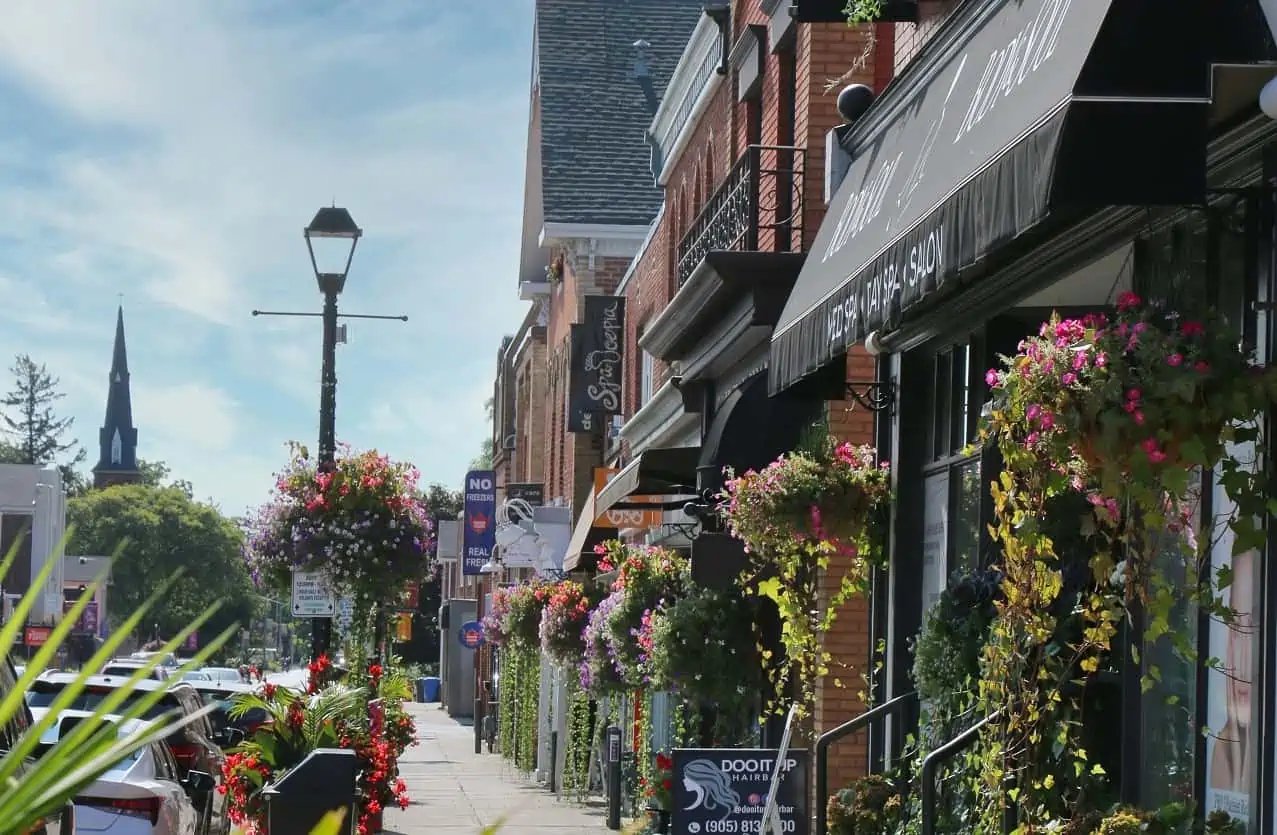
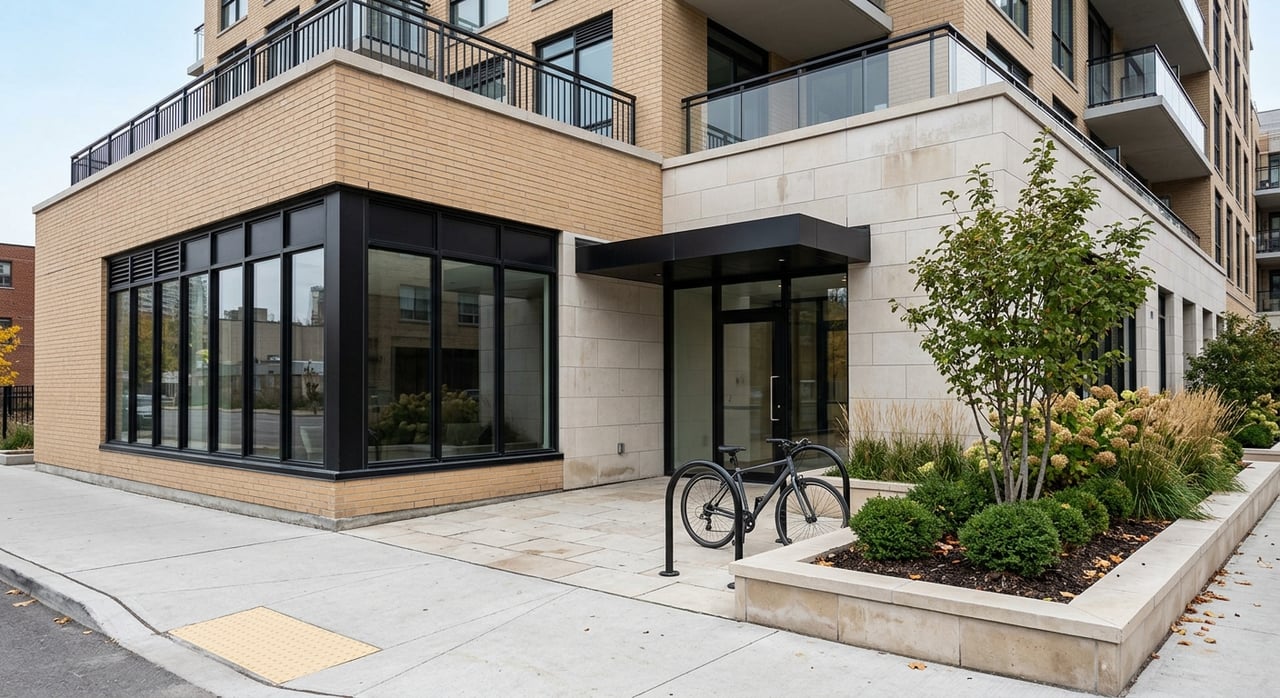
If you are expecting a dense urban retail district, Lakeview may feel more modest and spread out than that. Commercial activity is concentrated along Lakeshore Road East, where the city expects street-related commercial uses and pedestrian-oriented frontage. In practical terms, that means local dining and services tend to be corridor-based and neighbourhood-scale.
This setup can be a plus for buyers who want everyday convenience without a downtown feel. It also helps explain why future changes along Lakeshore Road East matter so much. That corridor is where much of Lakeview’s visible evolution is expected to happen.
What’s coming next in Lakeview
The biggest change story is Lakeview Village. The City of Mississauga describes it as a 177-acre mixed-use redevelopment of the former Lakeview Power Generating Station site on the eastern waterfront. This is a major project, both for the neighbourhood and for the city more broadly.
According to the city, Lakeview Village is planned to deliver 16,000 homes, including 1,200 affordable or attainable units. The project also includes more than 45 acres of parkland and six parks, an iconic pier, more than 1.5 million square feet of employment space, and about 9,000 jobs in an innovation corridor.
This is no longer just a long-range concept. The city says construction is underway on site services, the first residential building, Harbourwalk, launched on October 7, 2024, and work has started on the district energy operations centre and piping network.
New parks, trails, and public spaces
For many residents, one of the most important parts of Lakeview Village will be the public realm. The city says it is developing six new parks in Lakeview Village, adding 18.5 hectares of parkland. Those phases begin with Waterfront Park and continue through Aviator Park, Waterway Common, Ogden Park, Lakeview Square, and the Cultural Pier.
The planned trail system is also significant. It is intended to connect Lakefront Promenade Park to the west and the future Jim Tovey Lakeview Conservation Area to the east. In November 2025, the pedestrian bridge and trail environmental assessment reached a notice of study completion.
For buyers, this points to a waterfront area with more public access and more connected outdoor space over time. For sellers, it helps tell the story of why Lakeview remains a neighbourhood to watch even as development unfolds over many years.
Infrastructure and energy changes
Another piece of the future buildout is the district energy system. The city says it is positioned to be the first of its kind in Ontario and the largest in Canada once fully operational. Construction is already underway on the infrastructure.
The city’s timeline says the system will be fueled by natural gas when buildings are first occupied in early 2029. It is then expected to switch to effluent from the nearby G.E. Booth Water Resource Recovery Facility by 2034.
This matters because it shows the scale and complexity of what is being built. Lakeview Village is not just about new homes. It is also about creating long-term supporting infrastructure for a new mixed-use waterfront district.
Transportation and Lakeshore Road East
Transportation planning will also shape how Lakeview changes. The city’s Lakeshore Corridor Transportation Improvements page says the Lakeshore BRT is planned for a two-kilometre segment from Etobicoke Creek to East Avenue, and the Transit Project Assessment Process is complete.
The 2026 Lakeview Local Area Plan also identifies Lakeshore Road East as a Higher Order Transit corridor. The preferred transit mode has not yet been selected, but the plan says the corridor will accommodate multimodal transportation facilities along with commercial, office, residential, and cultural uses.
For residents, that could mean a corridor that becomes more connected and more active over time. It could also mean periods of adjustment as transportation projects, redevelopment, and streetscape changes move ahead.
What this means if you are buying
If you are considering buying in Lakeview, it helps to think in two layers. First, there is the established neighbourhood you can experience right now, with mature residential streets, waterfront recreation, a marina, golf, library services, and visible local history. Second, there is the long redevelopment cycle that will reshape parts of the waterfront and Lakeshore Road East over time.
That mix can appeal to different buyers for different reasons. Some buyers may value the established feel and want to be near the water before the broader transformation is complete. Others may be drawn to the idea of future parks, trails, mixed-use growth, and improved transit connections.
The practical trade-off is timing. Buying before a long redevelopment cycle is finished can mean living through construction, changing traffic patterns, and phased delivery of amenities. At the same time, it can offer access to a neighbourhood that already has lifestyle strengths today and a clearly defined public planning vision for tomorrow.
What this means if you are selling
If you are selling in Lakeview, context matters. Buyers are often trying to understand whether a property is part of the established residential fabric, closer to the redevelopment corridor, or influenced by both. The clearest marketing story is usually the one that explains exactly where your home sits within that bigger picture.
For some homes, the strongest appeal may be quiet residential streets, lot depth, or proximity to existing parks and waterfront amenities. For others, the draw may be access to Lakeshore Road East, evolving mixed-use areas, or the long-term momentum created by Lakeview Village.
This is where local knowledge becomes especially valuable. A thoughtful pricing and positioning strategy should reflect not just the home itself, but how buyers are interpreting change across Lakeview right now.
The bottom line on Lakeview
Lakeview today offers a combination that is hard to ignore: an established waterfront neighbourhood with a real sense of history, a broad housing mix, and strong everyday outdoor amenities. At the same time, it sits beside one of Mississauga’s most significant redevelopment stories, with new homes, parks, employment space, infrastructure, and transportation planning already underway.
If you are weighing a move here, the key is to separate what exists now from what is still being built. That makes it easier to judge whether Lakeview fits your timeline, your lifestyle, and your comfort level with change.
If you want help understanding how your property fits into Lakeview’s changing market, or you are looking for clear guidance on where to buy within the neighbourhood, the Larose Team can help you navigate the details with local insight and concierge-level support.
FAQs
What is Lakeview in Mississauga like today?
- Lakeview is a southeast Mississauga waterfront neighbourhood with established residential streets, access to Lake Ontario, connected parks and open spaces, and a mix of housing types including detached homes, townhouses, semis, and apartments.
What housing types are available in Lakeview, Mississauga?
- According to the City of Mississauga, Lakeview includes low-rise dwellings and apartments, with many postwar homes being renovated or replaced by detached houses, plus pockets of townhouse development and apartment clusters in certain areas.
What amenities are currently available in Lakeview, Mississauga?
- Current amenities include Lakefront Promenade Park, Lakefront Promenade Marina, boating clubs nearby, Lakeview Golf Course, Lakeview Library, and a corridor-based mix of dining and commercial uses along Lakeshore Road East.
What is Lakeview Village in Mississauga?
- Lakeview Village is a 177-acre mixed-use redevelopment of the former Lakeview Power Generating Station site, planned to include 16,000 homes, 1,200 affordable or attainable units, more than 45 acres of parkland, six parks, employment space, and an iconic pier.
How will Lakeshore Road East change in Lakeview, Mississauga?
- The city identifies Lakeshore Road East as the community’s main corridor and a future Higher Order Transit corridor, with plans for multimodal transportation facilities and pedestrian-oriented mixed-use development over time.
Is Lakeview, Mississauga a good option for buyers before redevelopment is finished?
- Buyers may find value in Lakeview’s current waterfront lifestyle, established streets, and housing variety, but they should also weigh the realities of phased construction, traffic adjustments, and the gradual rollout of new parks, trails, and transit improvements.