Walk the Waterfront Trail west from Marie Curtis Park this month and you'll hit a spot, past the second bridge, where the pavement just keeps going into meadow and reed and lake glare, and there's no way to loop back except to turn around and retrace your steps. That's not a construction delay or a fence someone forgot to move. That's the whole trail, at least for now, and if you've heard the buzz about Lakeview's new 26-hectare conservation area without walking it yet, this is the detail that got left out of most of the coverage.
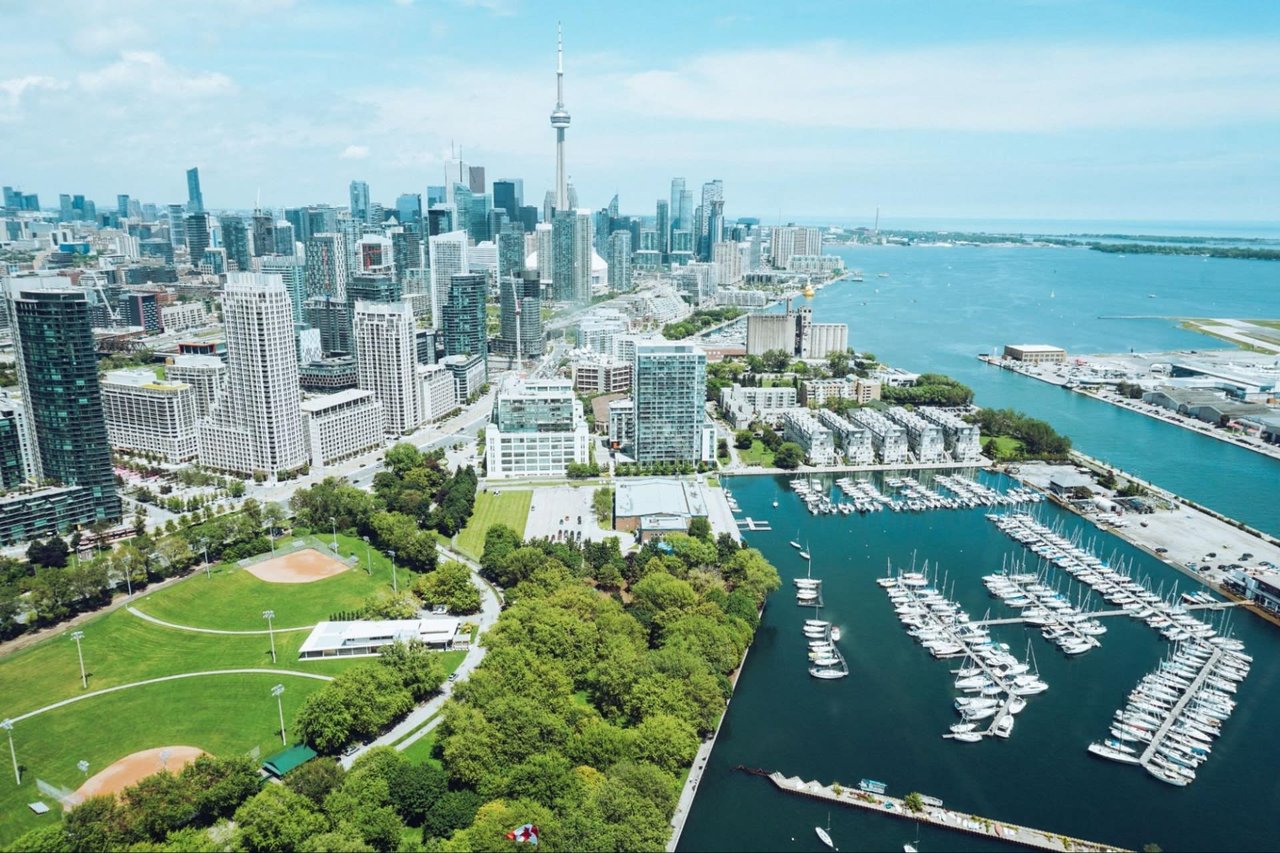
The Jim Tovey Lakeview Conservation Area opened to the public on May 30, more than a decade after the idea was first floated for the old Lakeview Generating Station site. It replaced a stretch of shoreline that had been industrial for most of a century with wetlands, meadows, three offshore breakwater islands, and just over 3.7 kilometres of trail. Credit Valley Conservation, which manages the park along with Peel Region and the Toronto and Region Conservation Authority, put the project cost at roughly $59 million. Ward 1 Councillor Stephen Dasko, who pushed the file forward after Tovey's death, put the goal in plainer terms when the site opened: the aim was to take an area that had been abused for decades and turn it back into something clean, green and sustainable.
That part of the story you've probably already read somewhere. Here's the part that actually changes how you should plan your visit.
You Walk In. You Walk Back Out.
There is exactly one way onto this trail system right now, and it's from the east. You park at Marie Curtis Park, at 2 Forty Second Street in Etobicoke, and walk west along the Waterfront Trail. The west end of the park, the side that would eventually connect through to Lakeview Village, isn't open, because Lakeview Village isn't built yet. Credit Valley Conservation's own park page is blunt about it: the trail inside Jim Tovey Lakeview is not a through trail, and visitors have to enter and exit through Marie Curtis Park.
That means every walk here is an out and back. If you came expecting a loop that drops you somewhere near Port Credit or connects cleanly into the rest of the Mississauga waterfront system, you'll be doing the same stretch of pavement twice, in reverse.
Before you write that off as a downside, a few practical things worth knowing before you go:
- Parking is free, in three lots at Marie Curtis Park, and there's no parking at the conservation area itself.
- The park is open sunrise to sunset, roughly late April through late November each year. It closes for the winter, so a fall visit isn't just seasonal, it's on a clock.
- Port-a-potties are near the Teaching Amphitheatre; real washrooms are back at Marie Curtis.
- No drones, no fishing off the armour stone or barges, no swimming, kayaking, or paddleboarding anywhere on site. The shoreline here was built, not found, and CVC treats the water's edge as unsafe for entry rather than a beach extension.
Why The Dead End Doesn't Matter Much In September
Here's the thing about an out and back trail: it's a much better birding walk than a loop is. You cover the same ground at two different points in the same hour, coming and going, which means you get two chances at whatever's moving through the reeds or resting on the water. And late summer into fall is exactly when that matters most here.
The park sits between what CVC describes as two major migration corridors, which puts it in position to work as a stopover rather than just a scenic backdrop. Monitoring since the site opened has already logged 75 bird species. The city's own fall migration guidance points to species using the Credit River, local creeks, and the Lake Ontario shoreline generally, and the specific list CVC flags for this site includes common loon, horned grebe, great blue heron, osprey, and spotted sandpiper, birds you're not likely to spot from a car window anywhere else in Lakeview.
The best-positioned spot for this is Kingfisher Way, a short boardwalk trail that branches off the main Waterfront Trail at the mouth of Serson Creek and dead-ends at a couple of lookouts over Serson Wetland. It's barely a fifth of a kilometre long, built with rest areas no more than 90 metres apart, which tells you it was designed for lingering rather than covering distance. If you're going for the birds and not the mileage, this is where you stop.
What's Actually Out There Beyond The Water
The trail system breaks into three named pieces, and knowing them helps you plan a visit that matches what you actually want to see. The Waterfront Trail itself, about 1.9 kilometres of paved multi-use path, is the spine: it crosses two creeks, passes the Indigenous placemaking sites, and runs alongside the breakwater barges, two decommissioned vessels sunk offshore to break wave action and shape the new coastline. Mink Link, a shorter loop off the main trail, circles Applewood Wetland and stays easy underfoot, mixing crushed stone with asphalt. Kingfisher Way, as covered above, is the birding detour.
The cultural layer is worth knowing about too, not as a footnote but because it shapes how the site is laid out. The Gateway Drums and the Indigenous Teaching Amphitheatre were developed with the Mississaugas of the Credit First Nation, whose treaty lands include this stretch of shoreline. The opening weekend in May began with a sunrise ceremony at 6 a.m., led by a Métis firekeeper with drumming and storytelling before the ribbon-cutting crowd even arrived. It's not a plaque bolted onto a bench. It's built into the site's spine, right there at the start of the Waterfront Trail.
And yes, the e-bikes are real. Bird Canada had them available for opening weekend, and if you've seen one of the branded bikes parked near the Marie Curtis entrance since, that's not a fluke, it's part of how the park expects people to get around a site with no interior parking of its own.
Planning Around The Season, Not Around The Hype
The park's own reporting is honest that this is a phased build, not a finished product. The west entrance, the one that would eventually let you walk straight through toward the future Lakeview Village pier and retail strip, is tied to construction timelines that stretch out over the next decade or more as that 177-acre development builds out in phases. For a resident, that means the trail you have right now, the out and back from Marie Curtis, is the trail you'll have for a while yet. Planning a fall walk around what exists today, rather than what a rendering promises for 2029 or later, will save you a wasted trip looking for a west gate that isn't there.
Late September through October is a tighter window than it looks. The park's seasonal hours run through late November, so there's roughly two months of decent walking weather left before the gates close for winter and this becomes a spring destination again. If migration and mild temperatures are what you're after, that window is now, not next spring when everyone else remembers the park exists.
None of this requires waiting for anything. Park at Marie Curtis, walk the trail west until the pavement runs out near the wetland edge, stop at Kingfisher Way if the birds are moving, and turn around. You'll have covered the whole site by the time you're back at your car, and you'll have seen it twice.
If you're weighing what a new park like this actually does for a neighbourhood you already call home, or you're thinking ahead to what waterfront access means for a future move within Lakeview or nearby Port Credit and Mineola, the team at Larose Team knows this stretch of shoreline block by block. Reach out anytime for a conversation about what's changing here and what it means for you.